The foreclosure crisis and the Great Recession have paved the way for a steady decline in homeownership. Many cities will never be the same.


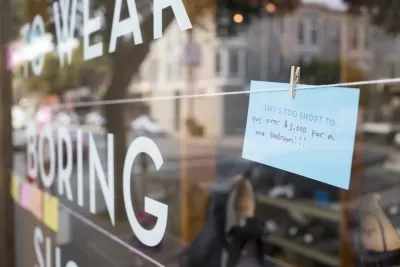
Patrick Clark reports: "Fifty-two of the 100 largest U.S. cities were majority-renter in 2015, according to U.S. Census Bureau data compiled for Bloomberg by real estate brokerage Redfin."
The data show the culmination of a decade of declining homeownership rates," as the foreclosure crisis turned millions of owners into renters and tight housing markets made it hard for renters to buy homes."
According to Clark, 20 of the cities now populated by a renter majority switched from a homeowner majority since 2009.
Homeownership did pick up in the second half of 2016, according to Census data, but Clark cites a 2015 report from the Urban Institute that predicts rentership will continue to rise until 2030 [pdf].
Clark concludes the article by noting the unique challenges that will face cities with majority renter populations.
Read the full story: Renters Now Rule Half of U.S. Cities
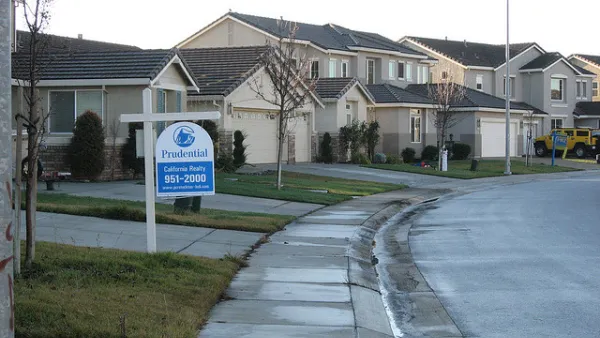
When Wall Street Controls the Housing Market
A debate about the effect of the increasing footprint of large, institutional investors in the housing market is further fragmenting the politics of development in the United States.

How California Plans to Slow the Corporate Takeover of the Residential Market
The state of California is trying to prevent a repeat of one of the most significant consequences of the Great Recession: large Wall Street interests buying for-sale housing in bulk for conversion to apartments.

Landlords Offering New Concessions to Renters
In the midst of a historic eviction crisis, renters with the privilege of affording rent suddenly have the leverage for concessions from landlords, like free parking and other perks .

Planetizen Federal Action Tracker
A weekly monitor of how Trump’s orders and actions are impacting planners and planning in America.

Washington state to charge fee to drivers with fuel-efficient cars
Revenue from the fee will go towards supporting the state’s highways.

Illinois considers spending $1 billion in taxpayer money on data center
A quantum computing campus and data center are currently under construction in Chicago.

Did data centers change how voters cast their ballots?
Texas, Ohio, and Georgia all flipped party control. But in rural counties, the effect of local data centers was mixed.

Amtrak invests in eight new Airo trainsets
The new trainsets will begin serving passengers in 2031.

HUD to end aid for mixed-immigration-status households
The new rule is projected to impact 80,000 people, nearly half of whom are children.

FREE Course: Walkable City 1: Why Walkability?
After describing his path towards focusing on walkability as the essence of good planning, Jeff Speck marches through his five principal reasons for making more walkable places.
Reinventing Malls: Planning Alchemy—Turning Gray Fields Into Gold
The course focuses on the opportunities and imperatives that shape reinvention of mall sites.

City of Charlotte
City of Rosemead
Rutgers University, Edward J. Bloustein School of Planning and Public Policy
University of Michigan School for Environment and Sustainability (SEAS)
Hunter College, City University of New York (CUNY)
The Architects Foundation
University District Partnership