The BART Perks pilot program was the first transit incentive program in the country.


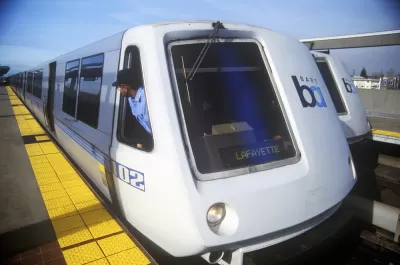
John Metcalfe checks-in with the "BART Perks" transit incentive program, announced in March 2016 and tested for six months in the San Francisco Bay Area.
The idea behind the program: to entice riders onto the BART system at hours not deemed rush hour. Metcalfe brings us up to speed:
The six-month trial program concluded in February, and the results are either great or mixed, depending on your definition of “success.” On the plus side, about 18,000 people jumped at the opportunity to participate in the BART Perks initiative, earning points whenever they rode the train that could be exchanged for cash.
A detailed post on the BART website explains more the results of the pilot program, including some less-than-game-changing results about how the BART Perks adoption spread over the system.
According to Metcalfe, the BART Perks program was enabled by a Federal Highway Administration grant, so it's unclear if whether the system will continue to pursue the idea as a tactic for reducing crowding during the rush hour commute.
Read the full story: The Results of America's First Transit-Incentive Program

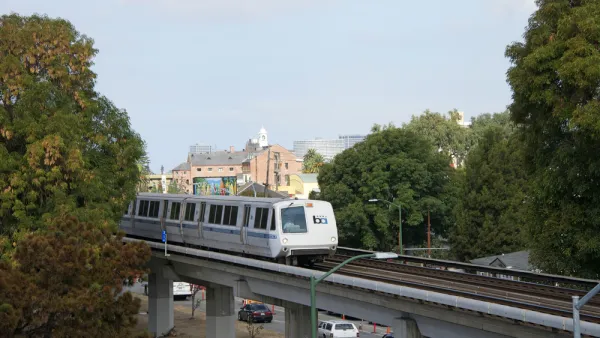
How BART Hopes to Open the Rush Hour Window
In the hopes of letting some air into the congested rush hour commute, BART is considering a social-media focused program to entice riders onto trains at times other than the peak commute.
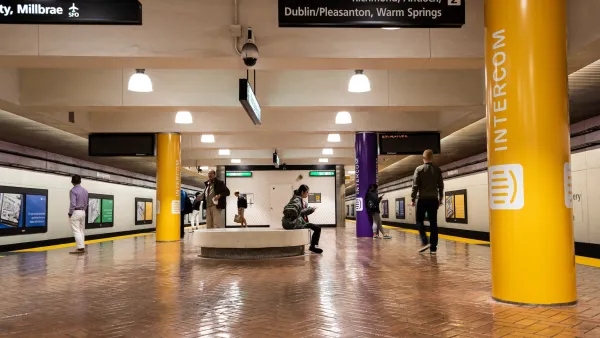
BART Announces Major Service Cuts, Fare Increases in Face of $376M Deficit
If a November ballot measure fails to bring new funding, BART’s ‘alternative service plan’ would reduce frequencies to 30 minutes, raise fares by 30%, and close up to 15 stations.
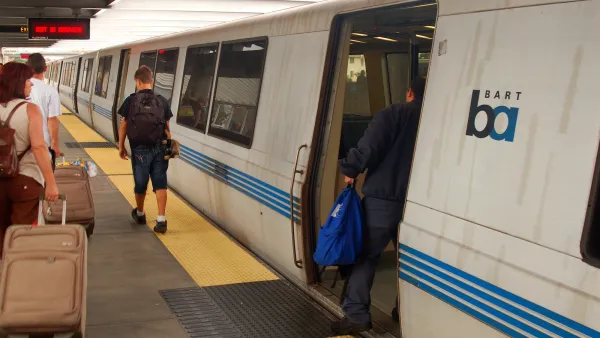
BART Service Cuts, Station Closures Could ‘Set Back the System 50 Years’
The agency could close dozens of stations and eliminate the Blue line between Daly City and Dublin-Pleasanton entirely.

‘Going backwards:’ Baltimore mayor, students rally against state's transit funding plan
Maryland's proposed six-year plan provides no funding for Baltimore’s BMORE bus program and reduces its road maintenance funding.

Detroit to transform waterfront with $2.2 billion investment
Developers will convert about 18 acres of unused parking lot space into civic spaces.
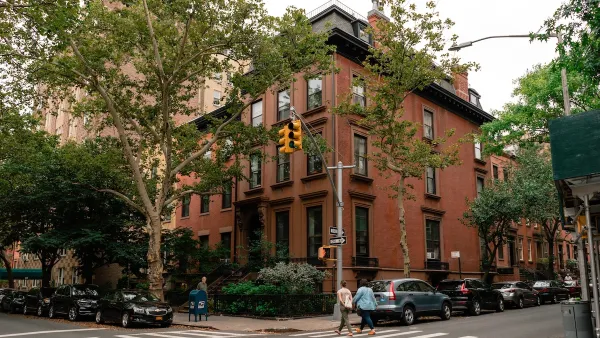
Mamdani sent nearly 6,000 pied-à-terre tax warnings to homes that didn’t qualify
A judge has ordered the administration to cancel thousands of pied-à-terre tax notices after it sent 35% of them erroneously.

25 states, cities sue the EPA over erased power plant emissions limits
The coalition also intends to sue the EPA for not regulating emissions from gas-fired power plants.

Newsom vetoes giving CA tribes greater voice in water projects
In his veto letter, Newsom said the bill would add ‘uncertainty’ to the state’s fight to secure Californians’ water supplies.

Michigan Senate votes to revise 'lax' dam safety laws
A Bridge Michigan investigation found more than 100,000 Michigan residents live in the floodpath of a high or significant-hazard dam.

FREE Course: Walkable City 1: Why Walkability?
After describing his path towards focusing on walkability as the essence of good planning, Jeff Speck marches through his five principal reasons for making more walkable places.
Reinventing Malls: Planning Alchemy—Turning Gray Fields Into Gold
The course focuses on the opportunities and imperatives that shape reinvention of mall sites.

City of Thousand Oaks
City of Wisconsin Rapids
Harvard University Graduate School of Design
The Architects Foundation
University of Cincinnati Online
Northern Illinois Transit Authority (NITA)
The Pocatello Development Authority
The Urban Renewal Agency of the City of Pocatello