In Seattle, about 54 percent of the households rent their homes, but they have few places to collectively voice their opinions on critical matters like rent control, move-in fees, and transit. Some city councilmembers hope to change that, however.


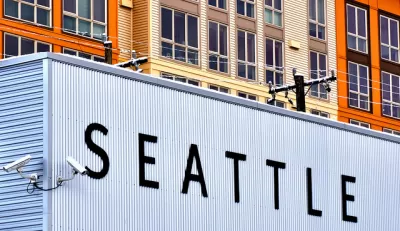
"Three Seattle council members are working toward giving a bigger presence to a group that’s long been a minority voice in city politics, even though it makes up a majority of all residents: renters."
That scoop according to an article by Mike Rosenberg, who reports in more detail on the political prospects of what could become Seattle's first ever renters' commission. According to Rosenberg, the commission would be a "group of 15 tenants that would fight for laws to help residents who are increasingly struggling with soaring rents and displacement."
"The group wouldn’t have any direct power but could recommend actions to the City Council, the mayor and other city officials," adds Rosenberg, similar to how planning commissions work in many cities.
Read the full story: In a first, Seattle renters could get own voice in City Hall
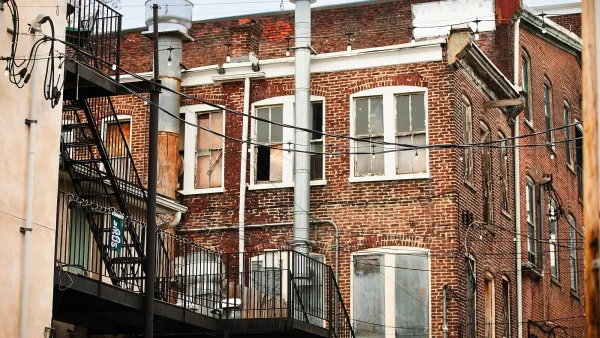
What Makes a Habitable Rental Home?
Almost every state in the U.S. requires that landlords maintain safe and livable residential units. This is often called a "warranty of habitability." In some places, there are laws that specify exactly what those requirements are; in others, the standards are less defined.
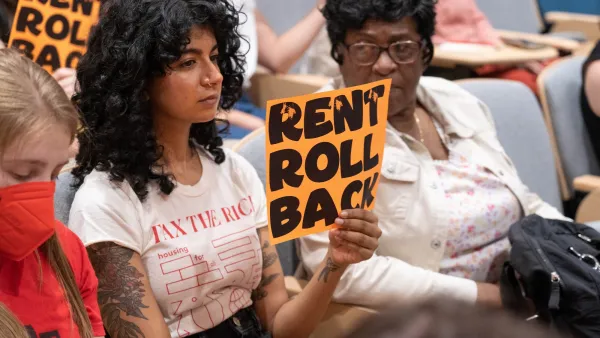
What Happened to ‘Renter’s Choice’ Legislation?
Years ago, officials in dozens of cities and states showed interest in passing legislation that required landlords to accept alternatives to the traditional lump-sum security deposit. Today, much of that momentum has diminished.

ICE Raids Are Eroding Tenant Rights for Immigrant Households
It’s getting tougher for immigrant communities to believe they still have rights as renters—even if they are living in the country legally. Here’s how tenant organizers are helping these communities push back against ICE and the landlords who are weaponizing the current political environment.

Desperate measures: Advocates weigh draining Lake Powell to fill Colorado River
Draining the reservoir could reduce evaporation losses by a couple hundred thousand acre-feet.

Eastern Nebraska is running out of electricity
Data centers and electrification are straining eastern Nebraska’s grid, throttling economic development.

Move over, LA: St. Louis gears up for Olympics, invests millions in downtown redevelopment
The Missouri city will host the 2028 Olympic soccer group stage and knockout matches.

Mass. votes against statewide minimum lot size for single-family homes
Over 2 million residents voted on Question 7; it was decided by just over 30,000 votes.

Maryland’s $15 billion bridge project gains key approval
The Maryland Transit Authority said the project will create over 60,000 jobs and add $23 billion to the local economy.

‘No clear next steps’ for Chicago's permanent festival grounds
Eleventh Ward Ald. Nicole Lee has suggested Soldier Field as a possible location for the permanent event space.

FREE Course: Walkable City 1: Why Walkability?
After describing his path towards focusing on walkability as the essence of good planning, Jeff Speck marches through his five principal reasons for making more walkable places.
Reinventing Malls: Planning Alchemy—Turning Gray Fields Into Gold
The course focuses on the opportunities and imperatives that shape reinvention of mall sites.

City of Rosemead
Rutgers University, Edward J. Bloustein School of Planning and Public Policy
One Hundred Miles
University of Michigan School for Environment and Sustainability (SEAS)
Hunter College, City University of New York (CUNY)
The Architects Foundation
City of Cambridge
Montrose County
The Pocatello Development Authority