Critics of new regulations by the city of Los Angeles that ban sleeping in cars and RVs overnight say the new restrictions amount to a ban on homeless people.


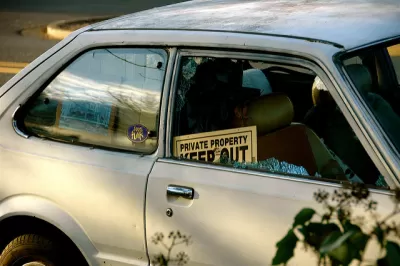
Rina Palta reports on new restrictions on when and where people who live in the vehicles can park:
People who use their RVs and cars as homes will no longer be able to park within 500 yards of schools, day care centers and parks. The restrictions also prohibit parking on any residential street between 9 p.m. and 6 a.m.
The new regulations are controversial, especially with homeless advocates, who "say the scarcity of approved parking spaces makes it nearly impossible for homeless to use vehicles for shelter," according to Palta. According to a survey conducted the Los Angeles Homeless Services Authority in January 2016, an estimated 7,100 people lived in cars in Los Angeles.
The new regulations raise several questions about how the situation will change for people living in their vehicles—as well as what residents living on streets that have commonly been occupied by these overnight RVs and cars should expect. The city is touting its housing vouchers and saying the new regulations will offer "an opportunity to do outreach to those living in their cars and offer them available services."
FULL STORY: New LA city rules limit where homeless in cars can park

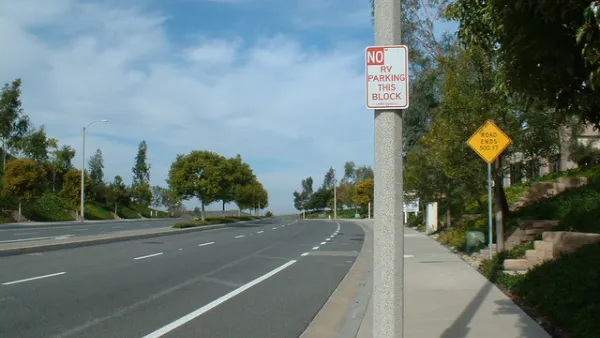
Protests Push O.C. to Kill Its First Real Plan to Help the Homeless
The affluent county finally authorized a concrete plan to address a housing crisis, but forceful opposition from residents put them 'back to Square One.'
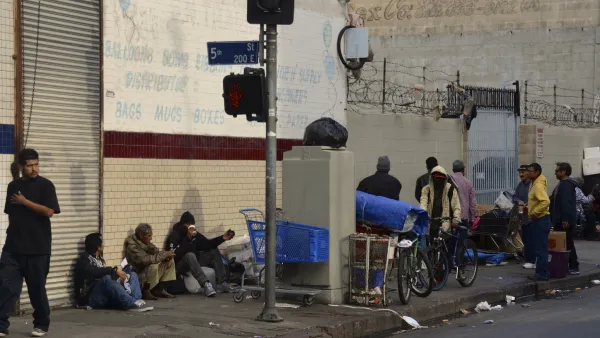
Conflicting Stories From Los Angeles' Skid Row
As the city considers new ordinances making it easier for police to break up homeless camps, residents say forced displacement is already underway. Police deny an increase in homeless sweeps.

LA has no plan — or funding — to help unhoused people displaced by Olympics security efforts
City and county officials say they don't have the funds to offer housing to the up to 1,600 people that will be displaced by perimeters around event venues.

Planetizen Federal Action Tracker
A weekly monitor of how Trump’s orders and actions are impacting planners and planning in America.

The state-sanctioned urbicide of Austin
People don’t kill cities. Freeways do.

US to reduce Colorado River water deliveries to Mexico
A new Colorado Treaty amendment reduces Mexico’s Colorado River water allocation by 250,000 acre feet.

5 New England states march closer to 800 megawatt wind energy project
Securing federal approval for the project may be complicated under the Trump administration, which has historically been hostile towards domestic wind power.

Baltimore to break ground on $50 million Transit Priority Project
The project will bring faster bus trips, safer streets and better bike connections to Baltimore.

Airbnb launches $250 million 'last-dollar financing' housing accelerator, makes first investment in Austin
The company will put $6.4 million towards affordable housing development in Texas’ capital.

FREE Course: Walkable City 1: Why Walkability?
After describing his path towards focusing on walkability as the essence of good planning, Jeff Speck marches through his five principal reasons for making more walkable places.
Reinventing Malls: Planning Alchemy—Turning Gray Fields Into Gold
The course focuses on the opportunities and imperatives that shape reinvention of mall sites.

Eagle County Government
Harvard University Graduate School of Design
Nashville Planning Department
The Architects Foundation
University of Cincinnati Online
The Pocatello Development Authority
The Urban Renewal Agency of the City of Pocatello
Journal of the American Planning Association