Natural gas and renewable sources of energy are quickly replacing coal-fired power plants in the nation's energy portfolio. Economics, not regulations is determining what gets built, and what gets burned.


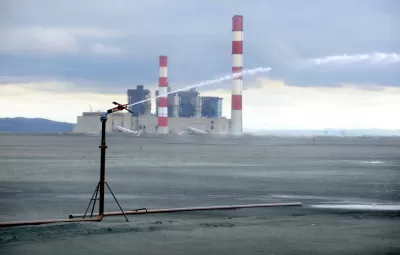
According to an article by Dvashre Saha and Sifan Liu, "the war on coal is a false narrative that oversimplifies what is happening in the energy economy."
The implications of that claim are that promises made by President-elect Donald Trump during the presidential campaign will likely be difficult to live up to. Moreover, even Trump's pick to lead U.S. Environmental Protection Agency, Oklahoma Attorney General Scott Pruitt, will find that dismantling environmental regulations won't be enough to reverse the trend away from coal and toward natural gas.
The post takes a look at some of the state's where energy use has shifted dramatically in recent years—even "red states" like Georgia, Ohio, and Kentucky are shutting down coal capacity quickly.
Saha and Lio share a final reference that's illustrative of the current energy marketplace: "As a recent study from the Energy Institute at the University of Texas at Austin explains, in most of the United States, the cheapest power plant to build today tends to be natural gas combined-cycle plants or wind farms. New coal plants are more expensive to build in most places."
FULL STORY: Coal plant retirements will continue despite Trump’s EPA pick

Climate Change Removed from White House Website
Well, that didn't take long! Goodbye Obama Clean Action Plan and restrictive environmental regulations; hello shale oil and gas revolution.
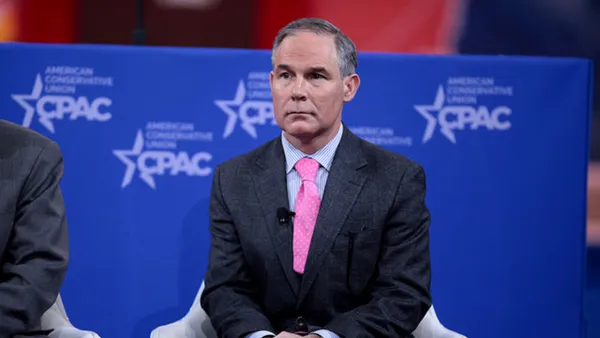
Trump Picks Oklahoma Attorney General Scott Pruitt to Head EPA
The selection of Scott Pruitt, a climate change denier, who is suing the U.S. Environmental Protection Agency, signals the incoming Trump Administration's antipathy for the environmental legacy of its predecessor.
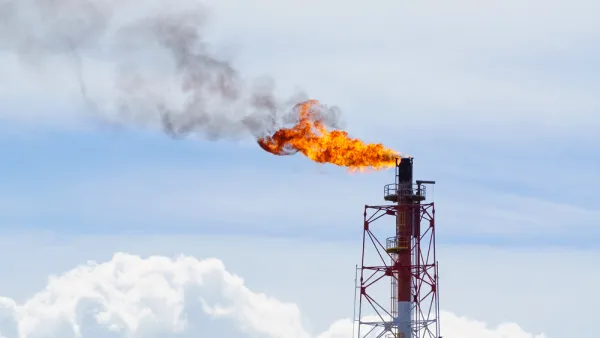
Big Oil Not Happy With Methane Regulation Rollback
The Trump administration's rollback on August 29 of an Obama-era regulation to reduce methane emissions in the production and distribution of oil and natural gas did not sit well with large oil and gas companies who see value in reducing emissions.

Planetizen Federal Action Tracker
A weekly monitor of how Trump’s orders and actions are impacting planners and planning in America.

The state-sanctioned urbicide of Austin
People don’t kill cities. Freeways do.

US to reduce Colorado River water deliveries to Mexico
A new Colorado Treaty amendment reduces Mexico’s Colorado River water allocation by 250,000 acre feet.

5 New England states march closer to 800 megawatt wind energy project
Securing federal approval for the project may be complicated under the Trump administration, which has historically been hostile towards domestic wind power.

Baltimore to break ground on $50 million Transit Priority Project
The project will bring faster bus trips, safer streets and better bike connections to Baltimore.

Airbnb launches $250 million 'last-dollar financing' housing accelerator, makes first investment in Austin
The company will put $6.4 million towards affordable housing development in Texas’ capital.

FREE Course: Walkable City 1: Why Walkability?
After describing his path towards focusing on walkability as the essence of good planning, Jeff Speck marches through his five principal reasons for making more walkable places.
Reinventing Malls: Planning Alchemy—Turning Gray Fields Into Gold
The course focuses on the opportunities and imperatives that shape reinvention of mall sites.

Eagle County Government
Harvard University Graduate School of Design
Nashville Planning Department
The Architects Foundation
University of Cincinnati Online
The Pocatello Development Authority
The Urban Renewal Agency of the City of Pocatello
Journal of the American Planning Association