Beggars can be found in cities around the world, but the laws and philosophies that cities use to deal with these people are different.


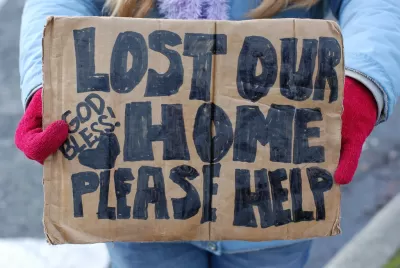
Beggars have been in cities for as long as there have been cities. But around the world, laws dealing with panhandlers vary greatly. Ian Wylie writes a survey of laws concerning begging in a story for The Guardian. "The Nigerian senate, for example, is considering a bill that would ban the “menace of street begging” in cities all over the country – following the Lagos state government’s move to round up 413 beggars from the city’s streets in July, 31 of whom were subsequently deported to neighbouring Niger," Wylie reports.
Many U.S. cities are harsh on their beggars as well. "Oklahoma City has extended its exclusion zones so that panhandling is now prohibited within 50 feet of cafes, restaurants, school bus stops, elementary schools, ATMs and public restrooms," Wylie writes. Some cities look to get beggars off the streets with job and day labor programs. And "progressive cities are seeking more sustainable solutions, attempting to address the underlying causes and injustices that force many to beg."
Read the full story: Reach out, raise money or remove: how should cities deal with street begging?


LA has no plan — or funding — to help unhoused people displaced by Olympics security efforts
City and county officials say they don't have the funds to offer housing to the up to 1,600 people that will be displaced by perimeters around event venues.
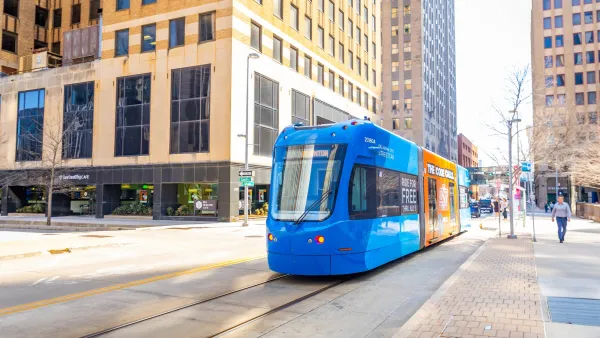
OKC streetcar will stay fare-free after ridership shot up 74%
The downtown streetcar saw a surge in ridership after it eliminated fares in January.
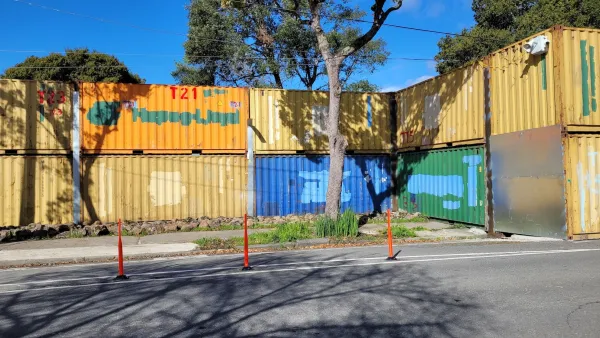
Berkeley promised to build supportive housing in People's Park. Where is it?
More than two years after People's Park was cordoned off, there is no word on a timeline for a promised affordable housing project.

Planetizen Federal Action Tracker
A weekly monitor of how Trump’s orders and actions are impacting planners and planning in America.

‘Going backwards:’ Baltimore mayor, students rally against state's transit funding plan
Maryland's proposed six-year plan provides no funding for Baltimore’s BMORE bus program and reduces its road maintenance funding.

Detroit to transform waterfront with $2.2 billion investment
Developers will convert about 18 acres of unused parking lot space into civic spaces.

Trump-backed startup wants 9,000 acres of public land for data center
If approved, developers will build 456 small nuclear reactors on federally-owned land in Utah.

'Fertilization president' to reward areas with high birthrates more transit funding
The Federal Transit Association plans to cover up to 10% more of a transit project's costs if the community’s birth rates meet or exceed national thresholds.

25 states, cities sue the EPA over erased power plant emissions limits
The coalition also intends to sue the EPA for not regulating emissions from gas-fired power plants.

FREE Course: Walkable City 1: Why Walkability?
After describing his path towards focusing on walkability as the essence of good planning, Jeff Speck marches through his five principal reasons for making more walkable places.
Reinventing Malls: Planning Alchemy—Turning Gray Fields Into Gold
The course focuses on the opportunities and imperatives that shape reinvention of mall sites.

City of Thousand Oaks
City of Wisconsin Rapids
Harvard University Graduate School of Design
The Architects Foundation
University of Cincinnati Online
Northern Illinois Transit Authority (NITA)
The Pocatello Development Authority
The Urban Renewal Agency of the City of Pocatello