The Southeastern Pennsylvania Transportation Authority returned to a normal commute schedule today, after making sufficient repairs to new trains that didn't start on the right track.


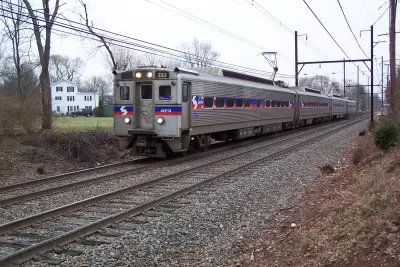
Commuters on SEPTA had some normalcy return to their lives today, as the system returned to a normal schedule for the first time in over two months.
"Starting Monday, SEPTA will return to a regular weekday schedule for the first time in more than two months," reports Jason Laughlin.
Delays and overcrowded trains have beset commuters during that time, according to Laughlin. The problem originated in the discovery of cracks in weight-bearing parts of 120 of the system's newest trains. "After rushing orders of replacement parts, SEPTA began returning the flawed vehicles, Silverliner V's, back to service earlier this month," reports Laughlin. "Now, with the fleet bolstered by leased cars and about 50 railworthy Silverliner V's, SEPTA feels prepared to return to a regular schedule."
Read the full story: SEPTA returning to regular schedule next week
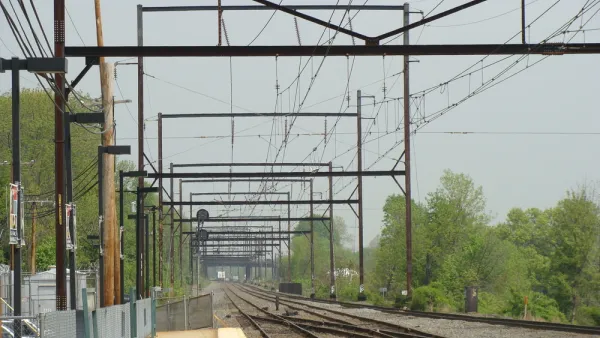
SEPTA Forced to Take 120 Regional Trains Out of Service for Repairs
SEPTA commuters traveling to and from Delaware will spend the summer in transit gridlock, as 120 trains undergo necessary repairs to a serious structural flaw.
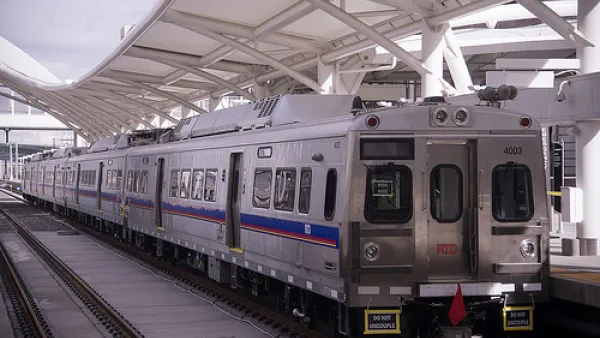
Denver's Commuter Rail Cars: Same as SEPTA's But Without the Defects
Denver's transit agency is running very similar Hyundai Rotem EMUs on their new A Line to the airport. The car shells are imported from South Korea and assembled in the same Philadelphia plant as SEPTA's problem-plagued Silverliner V cars.
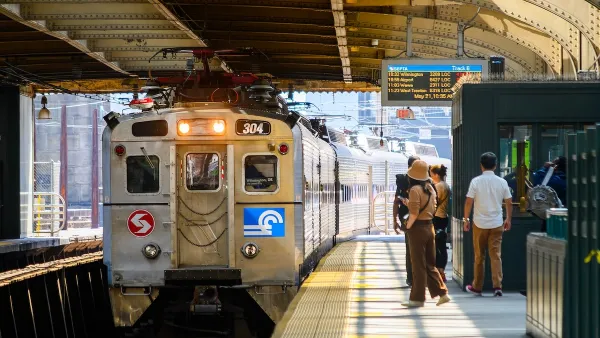
Judge Orders SEPTA to Stop Service Cuts, Fare Increases
The Philadelphia transit agency planned a ⅕ reduction in service and fare hikes to make up for its $213 million budget deficit.

Planetizen Federal Action Tracker
A weekly monitor of how Trump’s orders and actions are impacting planners and planning in America.

California plans to bury El Niño’s downpour
If the state plays its cards right, it may be able to store a billion acre-feet of El Niño’s water in aquifers.

Desperate measures: Advocates weigh draining Lake Powell to fill Colorado River
Draining the reservoir could reduce evaporation losses by a couple hundred thousand acre-feet.

Chicago voters approve permanent festival grounds, penalty for vacant property owners
Currently, major summer and fall festivals take over public parks for weeks at a time, drawing criticism from nearby residents

NYC votes to cut outdoor dining red tape, speed up permitting
New York City also voted to allow the Department of Transportation to begin work on urgent projects before notifying elected officials.

California appears to reject Prop. 45
The proposition would have expanded the projects that qualify for a streamlined environmental review, effectively paring down the California Environmental Quality Act.

FREE Course: Walkable City 1: Why Walkability?
After describing his path towards focusing on walkability as the essence of good planning, Jeff Speck marches through his five principal reasons for making more walkable places.
Reinventing Malls: Planning Alchemy—Turning Gray Fields Into Gold
The course focuses on the opportunities and imperatives that shape reinvention of mall sites.


City of Rosemead
Rutgers University, Edward J. Bloustein School of Planning and Public Policy
One Hundred Miles
Hunter College, City University of New York (CUNY)
The Architects Foundation
University of Cincinnati Online
City of Cambridge
Montrose County
The Pocatello Development Authority