Commutes
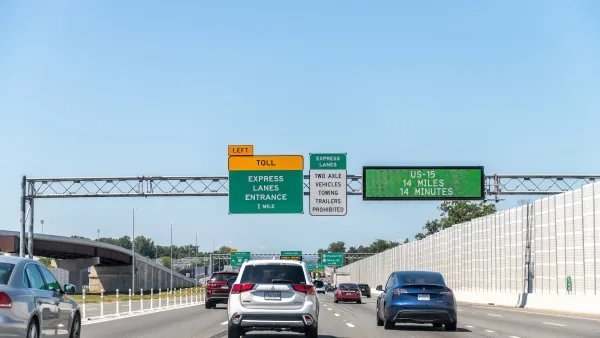
Congestion Costing Reality Check, Part 2: A congestion costing critique
There are good reasons to be skeptical of highway industry claims that traffic congestion is a growing problem. Their analysis is often incomplete and biased. Let’s pull back the curtain on some major congestion cost studies.
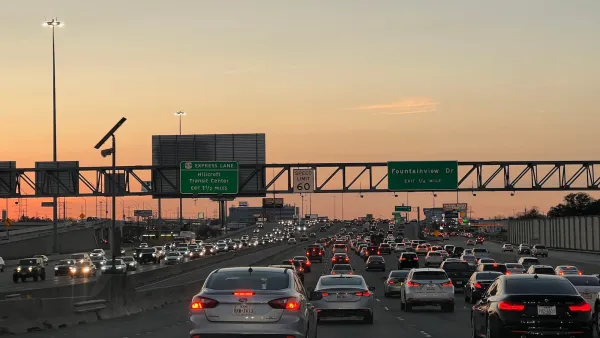
US Traffic Patterns are Shifting, but Car-centric Development Persists
Los Angeles, Honolulu, and San Francisco ranked among the nation’s most congested cities, while New York reduced traffic and increased transit speed and ridership thanks to its congestion pricing program.
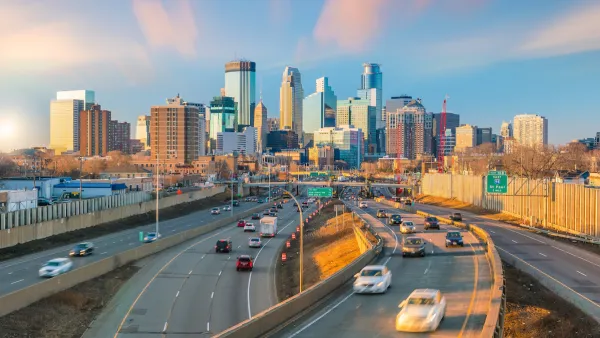
Twin Cities Commutes Faster Than Pre-Pandemic
Workers who have returned to in-person jobs are still experiencing less traffic congestion than in 2019.

Census Bureau: Remote Work Tripled Between 2019 and 2021
The percentage of Americans working primarily from home tripled to over 27 million people during the pandemic. Will the popularity of remote work last?
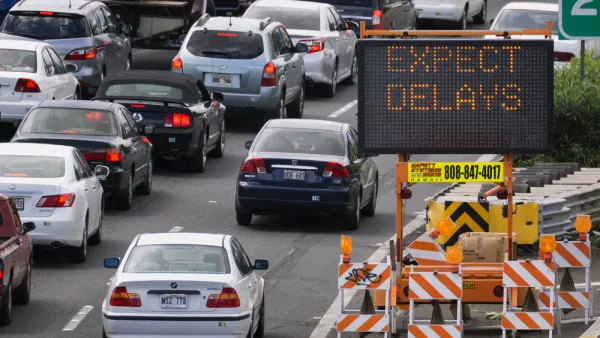
The New Normal: Less Transit, More Congestion
With transit systems still far below historic levels, and congestion not budging, the worst effects of an automobile dependent nation fall on the environment and low-income households.
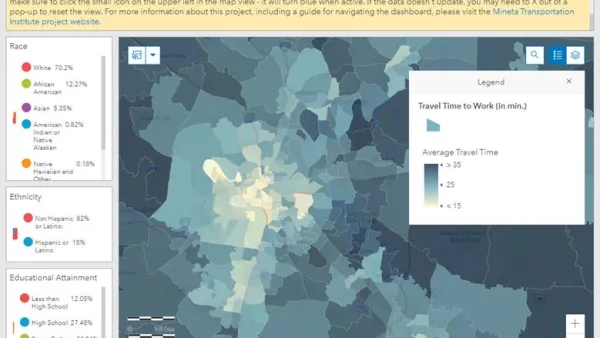
Getting to Work: New Commute Duration Heatmaps
The Mineta Transportation Institute's new interactive website produces heatmaps that illustrate commute duration—the number of minutes that workers spend traveling to their jobs—plus related information, for most U.S. communities.
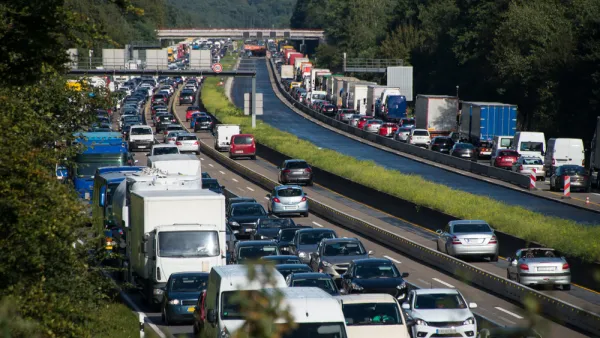
Can Pandemic-Era Changes Ease Painful Rush Hours?
If even a small fraction of workers continue to work remotely or have more flexible hours, the resulting reduction in rush hour travelers could have a significant impact on peak hour congestion.
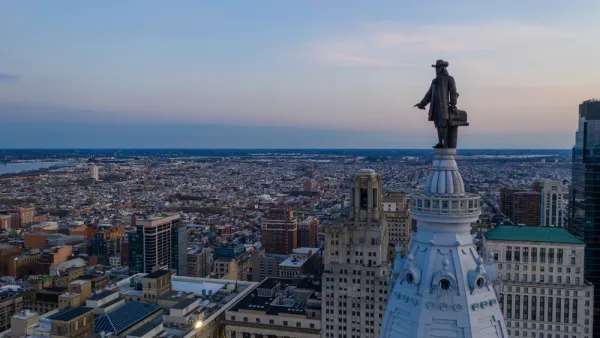
Using Artificial Intelligence to Map Telecommuting Prevalence
In the Philadelphia region, residents of wealthier neighborhoods will be more likely to work from home in the future, thus altering travel patterns and transit usage, according to a new mapping project powered by artificial intelligence (AI).
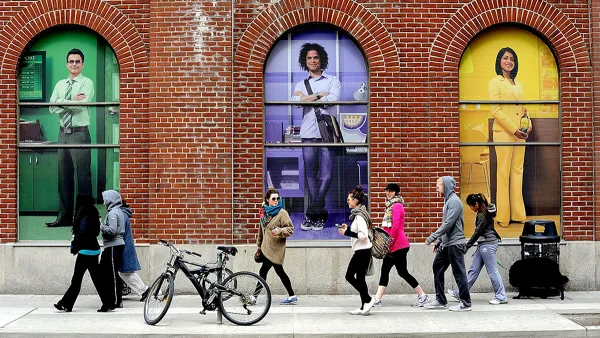
Professional Planners Anticipate Post-Pandemic Active Commuting
Many planners say they want to try out active commutes when in-office work becomes possible. How will a fresh look at their local streets influence planning professionals and planning practice?

Opinion: Upzone Now to Improve Commutes in the Post-Lockdown Future
Building more housing where people work is a simple way to come out of the pandemic with a stronger sense of community and shorter commutes, according to this article.
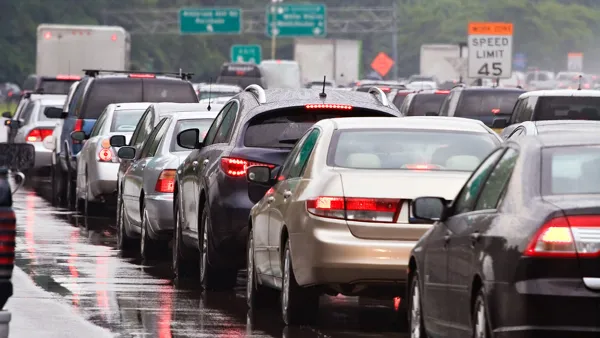
The Commute of the Future: Congested Mess, or Massive Mode Shift?
Researchers around the world are trying to get an idea about how increased automobile trips, fewer shared modes, and high unemployment will alter long-term trends in transportation.
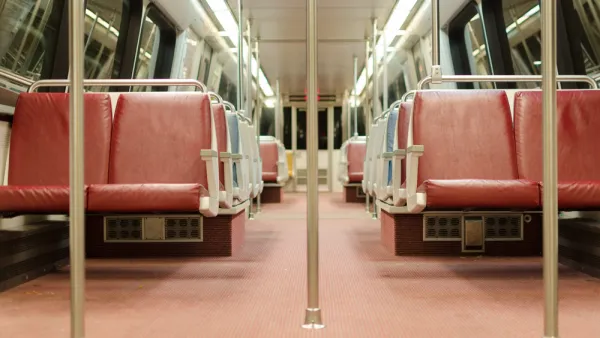
New Commute Data: Telecommuting on the Rise
The news from the most recent American Community Survey data isn't entirely bad for advocates hoping that Americans will switch to more efficient, less impactful forms of commuting.

How Transportation Technology Determines the Footprint of Cities
The Marchetti Constant, the willingness of people to travel for about a half an hour to get to and from work, explains the size of cities in history, and the metropolitan areas of today.
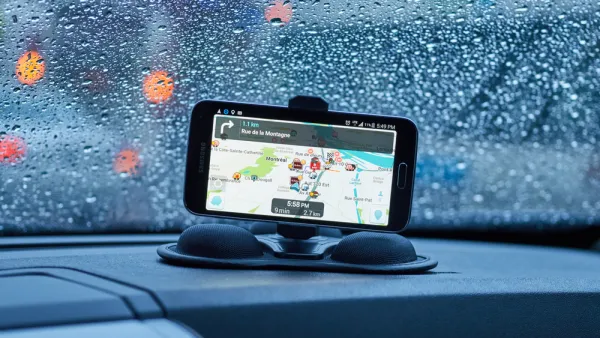
Waze Wants To Be a Carpooling Matchmaker
The Google-owned company has the data to connect commuters to possible carpool buddies, Whether Waze can stem the long-term decline in carpooling remains to be seen.
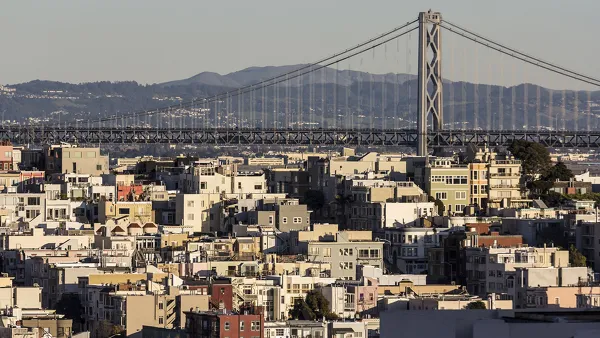
Bay Area Planners Acknowledge the Need for Regional Housing Solutions
While most Bay Area communities are pursuing housing solutions "individually," local planners acknowledge the need for strategies that address the regional as a unified whole.
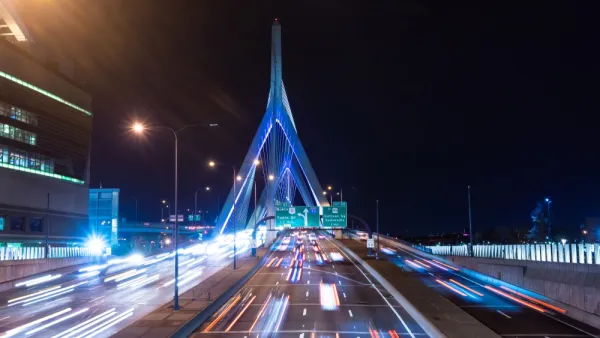
Commute Frustrations Boil Over in Massachusetts Poll
A recent poll of Massachusetts voters was able to connect the realities of the housing market to the frustrations of the daily commute.
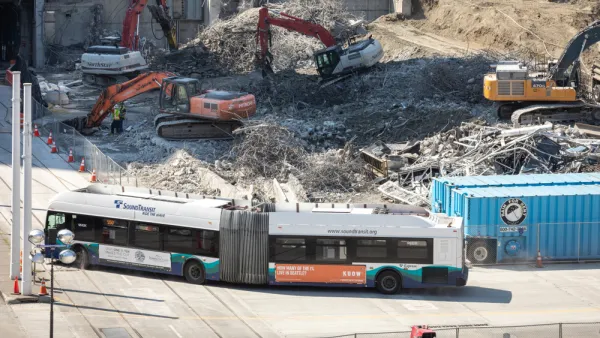
Editorial Calls for Automated Enforcement for Bus Lanes
The Seattle Times Editorial Board argues that automated enforcement would remove scofflaws from blocking bus commuters.
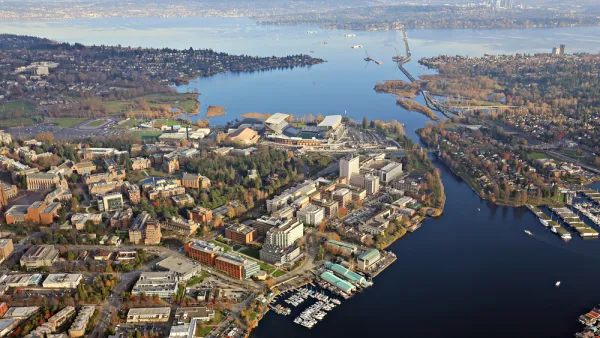
University of Washington Gets Approval for Major Expansion
With several stipulations, Seattle City Council has signed off on the university's plans for up to 6 million square feet of new construction, including high-rises.
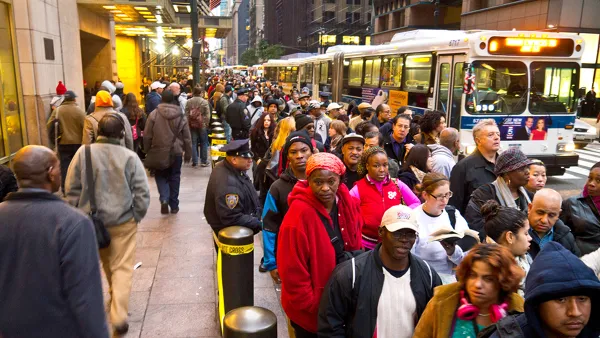
Report: Congestion Pricing Could Speed Bus Trips
Advocates say New York's plan traffic management plan could raise $1.5 billion while saving express bus commuters hours per week.
Transit Ridership Down, Commute Times Up, Census Says
Driving alone continues to grow as the most common method of commuting.

FREE Course: Walkable City 1: Why Walkability?
After describing his path towards focusing on walkability as the essence of good planning, Jeff Speck marches through his five principal reasons for making more walkable places.
Reinventing Malls: Planning Alchemy—Turning Gray Fields Into Gold
The course focuses on the opportunities and imperatives that shape reinvention of mall sites.

Harvard University Graduate School of Design
KFH Group Inc.
Greater Baltimore Committee
The Architects Foundation
University of Cincinnati Online
The Pocatello Development Authority
The Urban Renewal Agency of the City of Pocatello