The Office of Extraordinary Innovation at Los Angeles Metro is just over a year old. KPCC checks in.


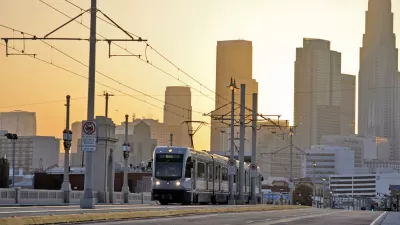
Los Angeles Metro created the Office of Extraordinary Innovation in 2015, which CEO Phil Washington tasked with exploring "out-of-the-box and untried ideas." A year later, KPCC speaks to Chief Innovation Officer Joshua Schank on how the department approaches that mandate with the rest of the agency.
Starting with the basics, Schank clarifies that the "basic function" of the office is "to bring the private sector to the table on major infrastructure projects."
Public-private partnerships have gained popularity in recent years as a way for governments to deliver infrastructure and services more efficiently and with less financial risk. Schank also believes the model encourages the private sector to be more civic-minded.
He says, "It's not enough to have [transportation] technology out there and being developed. We have to find a way to integrate it with the public sector network."
FULL STORY: 8 things we learned from Metro's innovation chief


Controversial BRT Plans Revised in Los Angeles
The proposed changes to plans for a bus rapid transit route on Colorado Boulevard are an attempt to compromise between competing community concerns.
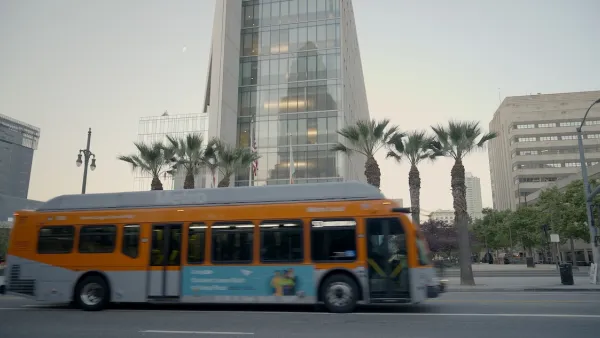
LA to Launch Bus Lane Enforcement Cameras
Bus-mounted cameras will identify vehicles that block designated bus lanes to help prevent delays and maintain reliable transit operations.
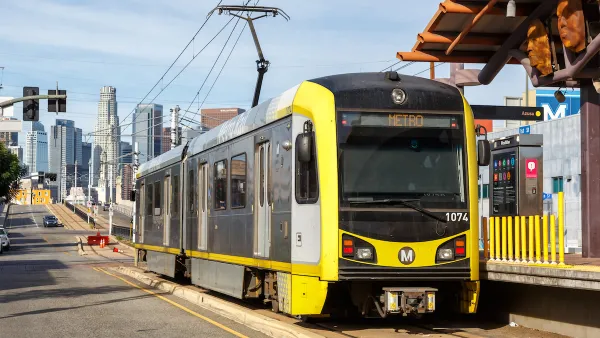
Los Angeles Transit Ridership Grew in 2023
Metro attributes the growth to new destinations, added security, and a streamlined train system.

The state-sanctioned urbicide of Austin
People don’t kill cities. Freeways do.

US to reduce Colorado River water deliveries to Mexico
A new Colorado Treaty amendment reduces Mexico’s Colorado River water allocation by 250,000 acre feet.

New Jersey’s second-largest city bans standalone data centers
Jersey City will continue to allow co-location facilities, such as those meant for research institutions that store their own data.

Amtrak not solely to blame for New Jersey commuter rail's unreliability, report finds
A new study from the Garden State Initiative found that NJ Transit’s budget grew 20% across a 4 year period, but reliability declined significantly over the same period.

EPA erases limits on planet-warming pollution from power plants
Under Monday’s plan, power plants would still have some limits on how much mercury, arsenic and other contaminants they can emit.

Phoenix announces new on-demand transit service, more frequent RAPID buses
Both new services will launch in October, and are part of Phoenix's Project Effective Access Solutions for Easing Congestion.

FREE Course: Walkable City 1: Why Walkability?
After describing his path towards focusing on walkability as the essence of good planning, Jeff Speck marches through his five principal reasons for making more walkable places.
Reinventing Malls: Planning Alchemy—Turning Gray Fields Into Gold
The course focuses on the opportunities and imperatives that shape reinvention of mall sites.

Eagle County Government
Harvard University Graduate School of Design
Nashville Planning Department
The Architects Foundation
University of Cincinnati Online
The Pocatello Development Authority
The Urban Renewal Agency of the City of Pocatello
Journal of the American Planning Association