A small group of residents in Ocean County, New Jersey have lawyered up to resist a state and federal project to build 22 miles of sand dunes to protect the New Jersey coast.


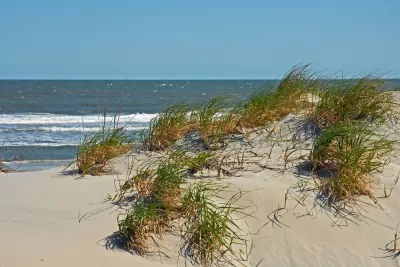
"Almost four years after Superstorm Sandy devastated New Jersey, an ambitious plan to protect vulnerable areas of the Shore is stalled in the courts amid growing doubts about the state’s ability to pay the long-term costs of the project," according to an article by Jeff Pillets.
Pillets reports that "taxpayers have already spent more than $4 million in legal fees to battle more than 300 shorefront property owners who want no part of a plan that would erect 25-foot-high dunes along a 14-mile stretch of northern Ocean County that was battered by Sandy."
The group of 14 Bay Head property owners have spent $2.5 million of their own money to make the case that the government should not be responsible for protecting their homes.
According to Pillet's explanation of the proposed project, "costs to build and maintain the massive sand piles will reach nearly $1 billion in the next 50 years. That cost would cover about 22 miles of shoreline, the Ocean County stretch in addition to an 8-mile-segment of beachfront from Atlantic City through the communities of Margate, Ventnor and Longport." Most of those costs are expected to go to maintenance, after construction is complete.
Read the full story: Legal fees mount as N.J. dune battle drags on
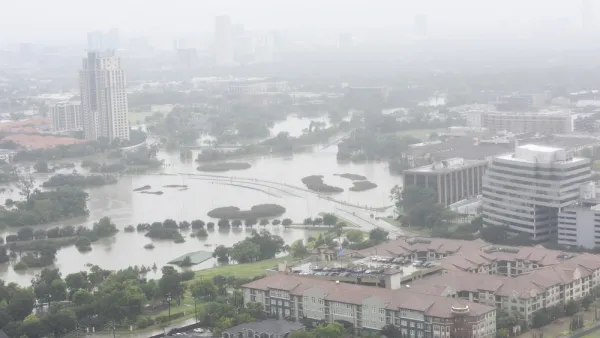
Are Tall Buildings Safer When It Floods?
Conventional wisdom is that the most resilient city is that keeps high-density housing out of flood zones. But if flooding can happen miles inland, is that still true?
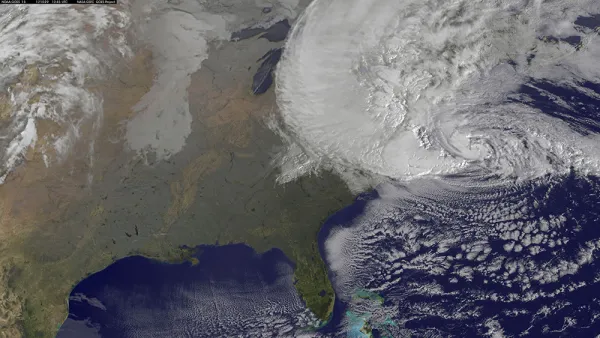
Army Corps Proposes Sea Barriers to Protect New York from Rising Seas
A massive infrastructure project is on the table in New York, after the U.S. Army Corps of Engineers released a new feasibility study.

New York's Post-Sandy Resilience Plans Have Lost Momentum
New York, like every other city in the United States, isn't more prepared for a major storm event than it was on October 29, 2012.

Planetizen Federal Action Tracker
A weekly monitor of how Trump’s orders and actions are impacting planners and planning in America.

California plans to bury El Niño’s downpour
If the state plays its cards right, it may be able to store a billion acre-feet of El Niño’s water in aquifers.

Desperate measures: Advocates weigh draining Lake Powell to fill Colorado River
Draining the reservoir could reduce evaporation losses by a couple hundred thousand acre-feet.

Housing is the top priority of Seattle’s sole new councilmember
Jenks campaigned on building 1,000 new units of affordable housing.

New tax cuts may slash $1.5 billion in funding for Miami transit, public parks
Amendment 3 will save Miami-Dade homeowners $2,700 in 2028.

Arizona, Wisconsin, Pennsylvania hope to finally advance climate goals post-midterms
The three states have spent years under Republican or divided control.

FREE Course: Walkable City 1: Why Walkability?
After describing his path towards focusing on walkability as the essence of good planning, Jeff Speck marches through his five principal reasons for making more walkable places.
Reinventing Malls: Planning Alchemy—Turning Gray Fields Into Gold
The course focuses on the opportunities and imperatives that shape reinvention of mall sites.

City of Rosemead
Rutgers University, Edward J. Bloustein School of Planning and Public Policy
One Hundred Miles
University of Michigan School for Environment and Sustainability (SEAS)
Hunter College, City University of New York (CUNY)
The Architects Foundation
City of Cambridge
Montrose County
The Pocatello Development Authority