Presenting less of an argument against transit than an argument for good transit and land use planning, Streetsblog surveys some of the country's worst performing rail lines.


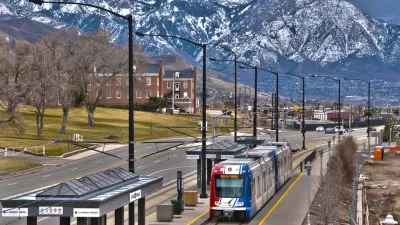
Angie Schmitt surveys the lowlights of new rail projects, "attracting embarrassingly few passengers." According to Schmitt, most of the underperforming lines are mostly mixed-traffic streetcars, "but that's not the only way to mess up." The blinking light of the headline states the main takeaway: "just laying track is no guarantee riders will come."
Schmitt's survey starts in Dallas, before connecting to Atlanta, Salt Lake City, and Cleveland. The article includes links to primary sources and local commentary on the state of underwhelming rail transit.
For the sake of comparison, Schmitt also notes the more successful versions of streetcars, located in Tucson and Kansas City (though the latter has only just opened, to much fanfare, and will require more time to determine its ridership).
Schmitt's argument, about the need for quality transit planning, connected to quality land use planning, differs from other critiques of underperforming transit systems, such as this article by Joel Kotkin and Wendell Cox from October 2015.
FULL STORY: Reminder: Just Laying Track Is No Guarantee Riders Will Come

What Was Lost When Streetcars Stopped Still Hasn't Been Found
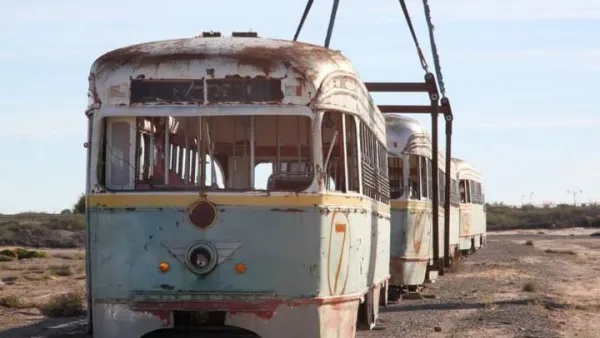
City's don't need vintage streetcars; cities need the frequency and convenience of service delivered by the streetcar lines from days past.
What Is Good Transit?
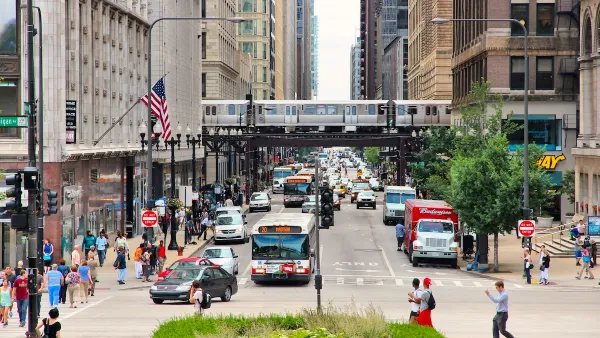
Good Transit is frequent. Good Transit is reliable. Good Transit is (reasonably) fast. Good Transit feels safe.
Changes to Local Service in the Bronx Benefit Bus Speeds, Ridership
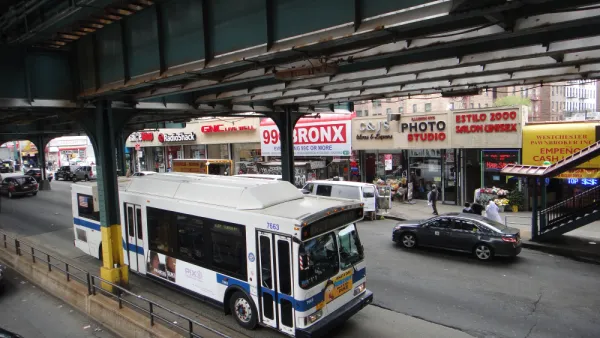
Another example of how improving bus service design can benefit transit riders and transit systems emerges in New York City. More such local system redesigns are on the way soon in the Big Apple.

Planetizen Federal Action Tracker
A weekly monitor of how Trump’s orders and actions are impacting planners and planning in America.

The state-sanctioned urbicide of Austin
People don’t kill cities. Freeways do.

US to reduce Colorado River water deliveries to Mexico
A new Colorado Treaty amendment reduces Mexico’s Colorado River water allocation by 250,000 acre feet.

5 New England states march closer to 800 megawatt wind energy project
Securing federal approval for the project may be complicated under the Trump administration, which has historically been hostile towards domestic wind power.

Baltimore to break ground on $50 million Transit Priority Project
The project will bring faster bus trips, safer streets and better bike connections to Baltimore.

Airbnb launches $250 million 'last-dollar financing' housing accelerator, makes first investment in Austin
The company will put $6.4 million towards affordable housing development in Texas’ capital.

FREE Course: Walkable City 1: Why Walkability?
After describing his path towards focusing on walkability as the essence of good planning, Jeff Speck marches through his five principal reasons for making more walkable places.
Reinventing Malls: Planning Alchemy—Turning Gray Fields Into Gold
The course focuses on the opportunities and imperatives that shape reinvention of mall sites.

Eagle County Government
Harvard University Graduate School of Design
Nashville Planning Department
The Architects Foundation
University of Cincinnati Online
The Pocatello Development Authority
The Urban Renewal Agency of the City of Pocatello
Journal of the American Planning Association