No one is denying that many Americans endure long, arduous commutes. But the data does not verify reports that "mega-commutes" are on the rise.


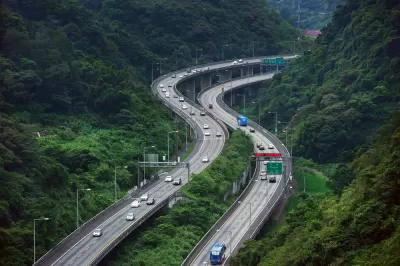
Though a hassle it may be, chances are your commute does not qualify as a "mega-commute." Joe Cortright writes, "A 2013 Census study defined 'mega commuters' as those traveling more than 90 minutes and more than 50 miles each way. They found that while mega commuting grew from about 1.6 percent of all commuters to 2.7 percent between 1970 and 2000, the share of such long commutes was flat to declining from 2000 to 2011."
In fact, more people enjoy short and easy commutes, with the average clocking in around 30 minutes. Some are luckier still. "The 2014 American Community Survey reports that nearly 20 million Americans, about 16 percent of all commuters, have self reported commute times of 0 to 5 minutes."
In the end, many see long commutes as a worthwhile (and often temporary) trade-off for other benefits. "Part of what this should highlight is the important role that personal choice plays in commuting. Most people consciously make choices about where they want to live, where they will look for work, and how long a commute they can endure."
Read the full story: Super long commutes: a non-big, non-growing, non-problem


Census Data: Renters Have Shorter Commutes
According to an analysis by the data research team at Trulia, renters have shorter commutes in 43 of 50 major metros. But despite there being more renters, commutes are still getting longer.
The Negative Effects of the Nation's Lengthening Commute
The collective amount of time Americans spend commuting is staggering, and it's only growing.

How Transportation Technology Determines the Footprint of Cities
The Marchetti Constant, the willingness of people to travel for about a half an hour to get to and from work, explains the size of cities in history, and the metropolitan areas of today.

Planetizen Federal Action Tracker
A weekly monitor of how Trump’s orders and actions are impacting planners and planning in America.

Amtrak, CN end decades-long dispute with eight-year agreement
The new operating agreement establishes an updated framework for the companies to work together, including processes to resolve disputes.

Judges permit Denver to divert 77,000 acre feet from the Colorado River for reservoir expansion
Overuse and climate change have caused the Colorado River’s water levels to plummet.

NYC DOT wants faster, more permanent street upgrades
The city is examining ways to build more concrete infrastructure without getting entangled in 'decades-long' projects.

'Something we’ve never seen before:' rising utility rates could strain city finances nationwide
Data centers, climate change and other factors have caused utility rates in the United States to increase by 38% since 2020.

Trump to overrule local leaders, lease millions of acres of America’s Pacific Island territories’ seafloors to mining companies
International law says that the Indigenous people of America’s territories have a right to prior and informed consent regarding projects that impact their countries.

FREE Course: Walkable City 1: Why Walkability?
After describing his path towards focusing on walkability as the essence of good planning, Jeff Speck marches through his five principal reasons for making more walkable places.
Reinventing Malls: Planning Alchemy—Turning Gray Fields Into Gold
The course focuses on the opportunities and imperatives that shape reinvention of mall sites.

Harvard University Graduate School of Design
KFH Group Inc.
Greater Baltimore Committee
The Architects Foundation
University of Cincinnati Online
The Pocatello Development Authority
The Urban Renewal Agency of the City of Pocatello