Instead of letting trash collection companies compete to serve customers, several Minnesota cities are negotiating contracts on behalf of their citizens. The measure, which reduces garbage truck traffic, has prompted backlash.



A debate is raging in several Minnesota cities over organized trash collection. For the StarTribune, John Reinan writes, "Battles over organized trash collection, meaning that a city arranges for pickup by one designated hauler, have been fought in more than a dozen metro communities in recent years. Some, like Fridley and Roseville, backed down in the face of opposition. Others, like Bloomington and St. Anthony, went ahead. But no matter the outcome, it's rarely been a smooth process."
The rationale for organizing trash pickups is environmental as well as aesthetic. "Cities that have adopted organized collection say it's more sustainable. Fewer big trucks on the street means less fuel used, fewer emissions released and less wear and tear on roads. Noise and congestion are reduced, and streets are safer."
But opponents claim the practice limits their ability to hunt for deals among the competing collection companies. Some phrase their protests in the language of individual liberties, referencing a culture of public lawmaking gone overboard.
Read the full story: Residents, cities scrap over who picks up garbage
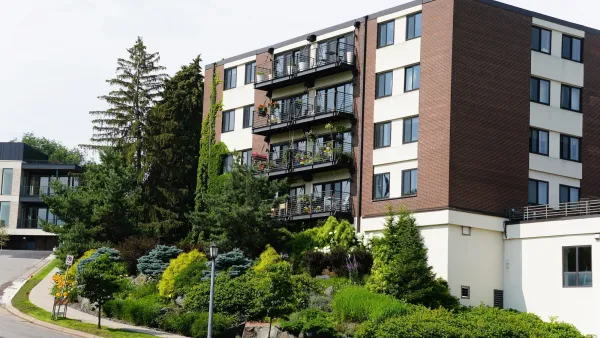
How policy changes helped Minneapolis beat rent inflation
Despite a boom in population, Minneapolis has managed to keep rents relatively steady through a combination of legislative action and private investment.

Minneapolis ordinance would halt new data centers for 5 months
The city council approved the temporary moratorium, which now heads to the mayor's desk.
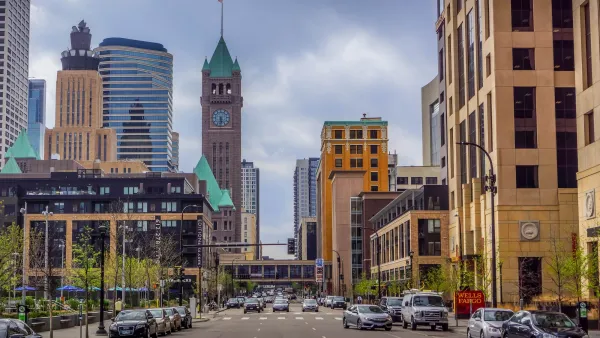
Minneapolis council proposes permitting framework for robotaxis
City leaders say they don't want to be left behind as Waymo and other companies eye the city for the expansion of self-driving fleets.

Planetizen Federal Action Tracker
A weekly monitor of how Trump’s orders and actions are impacting planners and planning in America.

Eastern Nebraska is running out of electricity
Data centers and electrification are straining eastern Nebraska’s grid, throttling economic development.

Move over, LA: St. Louis gears up for Olympics, invests millions in downtown redevelopment
The Missouri city will host the 2028 Olympic soccer group stage and knockout matches.

Dallas releases zoning code overhaul to officials
The drafted overhaul is over 400 pages long.

NYC renovations for dangerous, ‘mercilessly crammed’ street delayed until 2027
Construction was supposed to begin this fall.

San Diego’s Midway Rising project gets greenlight from city council
The project looks to become the largest affordable housing development in California's history.

FREE Course: Walkable City 1: Why Walkability?
After describing his path towards focusing on walkability as the essence of good planning, Jeff Speck marches through his five principal reasons for making more walkable places.
Reinventing Malls: Planning Alchemy—Turning Gray Fields Into Gold
The course focuses on the opportunities and imperatives that shape reinvention of mall sites.

City of Rosemead
Rutgers University, Edward J. Bloustein School of Planning and Public Policy
One Hundred Miles
University of Michigan School for Environment and Sustainability (SEAS)
Hunter College, City University of New York (CUNY)
The Architects Foundation
City of Cambridge
The Pocatello Development Authority
The Urban Renewal Agency of the City of Pocatello