A new book published by the Pew Research Center details the demographic changes that will shape the politics—beyond presidential elections—of the future.


Writing for the Pew Research Center, Paul Taylor provides a preview of his book, The Next America: Boomers, Millennials, and the Looming Generational Showdown, released this week in paperback.
The post includes eight key takeaways from the first chapter of the book—though each point is relevant to the politics of planning and land use. Abridged versions of a few of the more revealing of the eight takeaways, with more detail found in the article, follow:
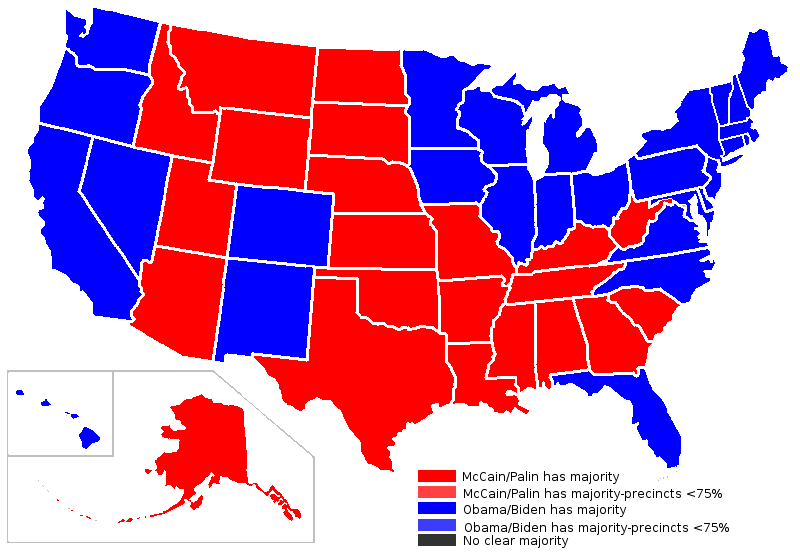
- Americans are increasingly sorted into think-alike communities that reflect not only their politics but their demographics.
- The cleavages between the political tribes spill beyond politics into everyday life.
- The public remains in a foul mood, frustrated by stagnant incomes, a shrinking middle class and gruesome global terrorism.
Read the full story: The demographic trends shaping American politics in 2016 and beyond


Jim Crow lives on in our public bathrooms
Using budgets to devalue public spaces and their patrons was one of segregationists’ key moves. Their legacy still plagues our public bathrooms.

Study: Minimum lot sizes reinforce racial disparities
A Connecticut study found that zoning rules perpetuate residential segregation.

Reclaiming Transportation as a Place of Resistance
The systems that move us are not neutral — and we don’t have to pretend like they are.

Planetizen Federal Action Tracker
A weekly monitor of how Trump’s orders and actions are impacting planners and planning in America.

Data reveals that NYC’s bet on congestion pricing has paid off
After almost two years of the program, reports show positive impacts on traffic and air quality and no disruptions to parking.

HUD modernizes 50-year-old manufactured housing framework
The Next Generation Manufactured Housing Action Plan establishes new energy-efficiency standards for manufactured homes, and new guidelines for anchoring them.

Small single-family homes are illegal in most of MA. Voters can change that
Most land zoned for single-family housing in Massachusetts requires at least 40,000 square feet of land per house.

Public steps inside U.S.’s first battery-powered train
Metra’s groundbreaking train feature modern seats and a futuristic battery car.

Companies show off AI technology, new innovation hubs at APTA Expo
Nearly 700 companies attended the American Public Transportation Association’s Expo last week, which happens once every three years.

FREE Course: Walkable City 1: Why Walkability?
After describing his path towards focusing on walkability as the essence of good planning, Jeff Speck marches through his five principal reasons for making more walkable places.
Reinventing Malls: Planning Alchemy—Turning Gray Fields Into Gold
The course focuses on the opportunities and imperatives that shape reinvention of mall sites.

One Hundred Miles
County of Mendocino
planning NEXT
The Architects Foundation
University of Cincinnati Online
Montrose County
Northern Illinois Transit Authority (NITA)
The Pocatello Development Authority