A 12-story residential tower proposed for a Vancouver neighborhood is receiving pushback from housing advocates and the local Chinese community.


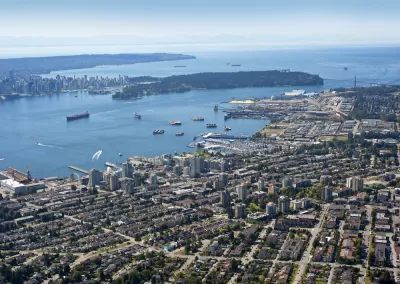
A 128-unit residential tower proposed in Vancouver's Downtown Eastside neighborhood is stoking fears in some residents that their neighborhood is about to get a lot more expensive. The Province's Nick Eagland reports that 60 percent of the tower’s units would be "social housing," with the remainder at market rate. However, the Carnegie Community Action Project (CCAP) argues that the below market rate prices won’t meet the demand of the neighborhood’s residents.
CCAP’s Jean Swanson, a veteran housing activist, said a requirement for only one-third of the non-market units to be rented at the CAN$ 375 shelter rate — equating to 20 per cent of the overall number of units — does little to help all those struggling on a CAN$ 610 welfare cheque.
“They aren’t good enough because what we desperately need in the Downtown Eastside is housing for homeless people and housing for people who live in the SROs,” Swanson said.
The tower will take over a parcel developed with multiple retail businesses, most of them primarily operated by the local Chinese community, which Eagland reports has caused concern among locals that they will soon be gentrified out.
King-mong Chan, an organizer with the Chinatown Concern Group, said the development will hurt the "essence" and heritage of Chinatown.
“Traditionally, it’s served working-class Chinese people, but now with the development and the gentrification, it’s changing to a more trendy kind of neighbourhood similar to Yaletown,” he said.
The developer, Wall Financial Corp., will be meeting with the community to answer questions prior to going before the city’s Development Permit Board in January.
Read the full story: Plan for 12-storey residential tower in Vancouver's Downtown Eastside raises gentrification fears
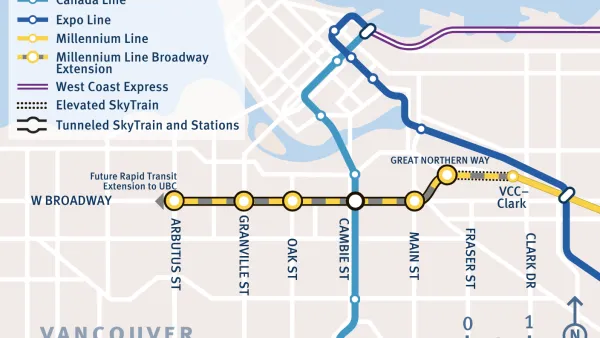
Affordability Concerns Raised Along Vancouver's Planned Broadway Subway
Vancouver is developing a plan to weaken the impacts of real estate speculation along the route of the Millennium Line Broadway Extension.
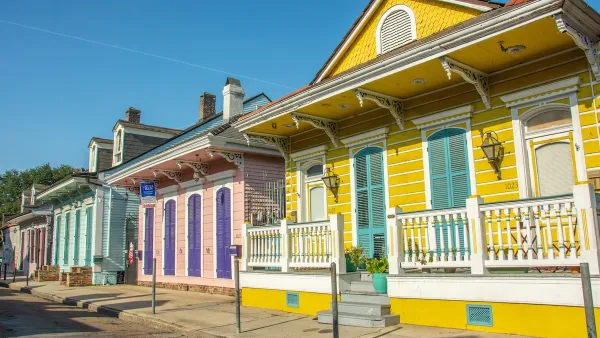
20 Years After Katrina, New Orleans is More Unaffordable Than Ever
The city’s post-hurricane redevelopment has failed to include its most vulnerable residents.

High Housing Costs Driving Down Transit Ridership in LA
When neighborhoods gentrify and displace lower-income residents, transit ridership suffers, new research shows.

Planetizen Federal Action Tracker
A weekly monitor of how Trump’s orders and actions are impacting planners and planning in America.

California plans to bury El Niño’s downpour
If the state plays its cards right, it may be able to store a billion acre-feet of El Niño’s water in aquifers.

Desperate measures: Advocates weigh draining Lake Powell to fill Colorado River
Draining the reservoir could reduce evaporation losses by a couple hundred thousand acre-feet.

US buildings threatened, destroyed by fires set to triple by 2060
Researchers found a high fire risk for socioeconomically vulnerable neighborhoods in the American West.

LA residents may be allowed to paint their own crosswalks
Councilwoman Katy Yaroslavsky put out a motion instructing the Los Angeles Department of Public Transportation to study the feasibility of allowing volunteers to paint crosswalks.

Dallas moves to overhaul its zoning code
The city's zoning reform will allow more multi-family and mixed-use developments.

FREE Course: Walkable City 1: Why Walkability?
After describing his path towards focusing on walkability as the essence of good planning, Jeff Speck marches through his five principal reasons for making more walkable places.
Reinventing Malls: Planning Alchemy—Turning Gray Fields Into Gold
The course focuses on the opportunities and imperatives that shape reinvention of mall sites.

City of Rosemead
Rutgers University, Edward J. Bloustein School of Planning and Public Policy
One Hundred Miles
Hunter College, City University of New York (CUNY)
The Architects Foundation
University of Cincinnati Online
City of Cambridge
Montrose County
The Pocatello Development Authority