All eyes are on Oregon as it rolls out its road usage charge program, known as OReGO. So far Oregonians have been slow on the uptake.


Chris Hill reports: "The Oregon Road Usage Charge Program, known as OReGO, only managed 801 volunteers in its first month, a mere 16 percent of the total 5,000 cars and light-duty commercial vehicles that are being allowed in the program this year."
The program began charging participants 1.5 cents per mile driven ion the state on July 1. The article includes more details about how exactly the program works.
On a more positive note, Hill also reports that "44 percent, or 355, of those signing up had vehicles in the high miles per gallon category," which pay less in gas taxes to use the road because they use less gas. The thinking goes that the more high mileage cars that use the system, the more the state will make up the difference in taxes collected.
Read the full story: Oregon’s pay-as-you-drive usage tax program gathers 801 volunteers in first month - See more at: http://www.equipmentworld.com/o

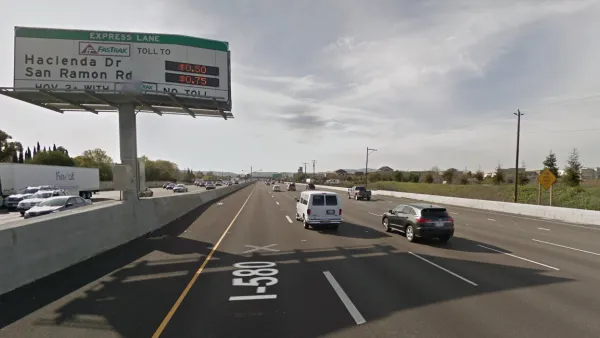
Innovative Road Funding Pilot Program Advances in California
State Sen. Scott Wiener authored legislation dubbed the Gas Tax Alternative Pilot to extend the California Road Charge Program that completed its pilot in 2017. The program takes on more significance with the 2035 sales ban of gas-powered vehicles.
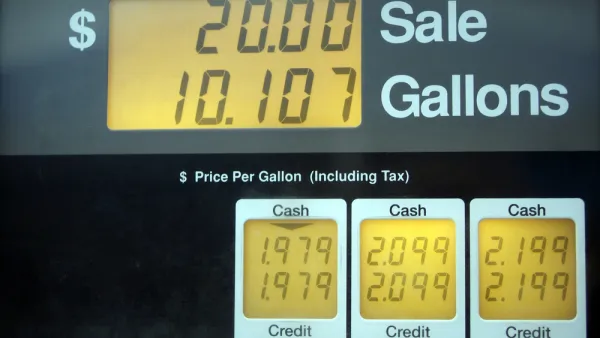
Seven State DOTs Awarded $10 Million to Study Gas Tax Alternatives
When transportation spending was last reauthorized, rather than hike the gas tax to maintain current spending, Congress diverted general fund revenue. A program to study alternative revenue options was created so states could launch pilot projects.
Over $14 Million Awarded to Eight Projects to Find Alternatives to Gas Taxes
The U.S. Department of Transportation is funding ways to transition from the gas tax to other user-based revenue mechanisms to fund transportation infrastructure. The federal gas tax hasn't keep pace with transportation expenditures since 2008.

Planetizen Federal Action Tracker
A weekly monitor of how Trump’s orders and actions are impacting planners and planning in America.

Amtrak, CN end decades-long dispute with eight-year agreement
The new operating agreement establishes an updated framework for the companies to work together, including processes to resolve disputes.

Judges permit Denver to divert 77,000 acre feet from the Colorado River for reservoir expansion
Overuse and climate change have caused the Colorado River’s water levels to plummet.

Boston has spent millions making the Green Line more accessible — and there’s no end in sight
While the city has invested millions into expanding and adding platforms to the Green Line to make it more accessible, new train cars set to arrive next year will be too tall for disabled passengers to board without raising the current platforms.

Idaho may see an 18% drop in federal surface transit funding — the largest estimated cut in the US
Transit systems in rural communities are much more reliant on federal funding to provide their services.

How ‘post-disaster gentrification’ alters neighborhoods after natural calamities
After hurricanes, fires or other calamities, the original residents of a community are often replaced by younger, wealthier residents.

FREE Course: Walkable City 1: Why Walkability?
After describing his path towards focusing on walkability as the essence of good planning, Jeff Speck marches through his five principal reasons for making more walkable places.
Reinventing Malls: Planning Alchemy—Turning Gray Fields Into Gold
The course focuses on the opportunities and imperatives that shape reinvention of mall sites.

Harvard University Graduate School of Design
KFH Group Inc.
Greater Baltimore Committee
The Architects Foundation
University of Cincinnati Online
The Pocatello Development Authority
The Urban Renewal Agency of the City of Pocatello