The familiar tales of expensive living in U.S. cities like San Francisco, New York, and Vancouver gain a little perspective when compared to London. Or maybe London just provides a crystal ball to the future of those cities and others like them.


London, according to Rowan Moore, "is eating itself."
"Most obviously, its provision of housing is failing to keep up with its popularity, with effects on price that breed bizarre reactions at the top end of the market and misery at the bottom. Thousands are being forced to leave London because their local authorities can’t find them homes and people on middle incomes can’t acquire a place where anyone would want to raise a family."
Moore is obviously a fan of London's charms, though sober in assessing the perceptions of London from elsewhere in the United Kingdom. The perhaps underreported point that Moore hopes to make with the article, however, is that "the city is feeding on its own." And while that might seem as a problem of concern to Londoners, "what happens there may well, in some form, also come to a place near you."
The article is a long-read, with a lot of anecdotes and examples describing businesses and people forced out to make way for luxury residential developments. Moore also quotes Peter Rees, the City of London Corporation’s chief planning officer for 29 years, who describes the "safety-deposit box in the sky" approach to real estate investment.
Read the full story: London: the city that ate itself
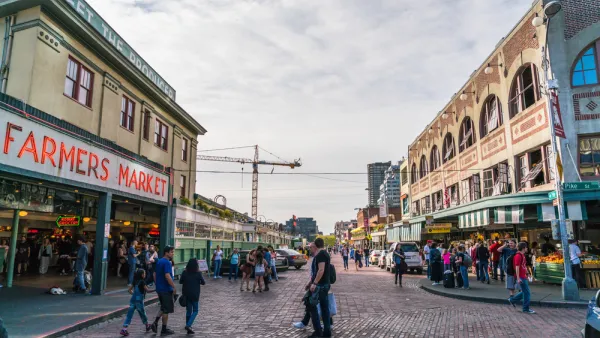
Push and Pull: The Link Between Walkability and Affordability
The increased demand for walkable urban spaces could make them more and more exclusionary if cities don’t pursue policies to limit displacement and boost affordability.
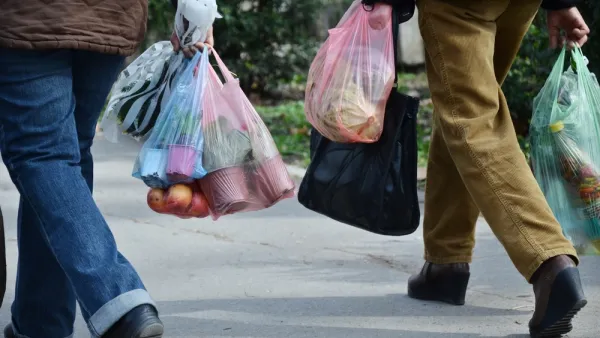
When Costs of Living Outpace Housing Costs
Even when they qualify for affordable rents, tenants in high-cost neighborhoods find themselves shut out of essential amenities and services.
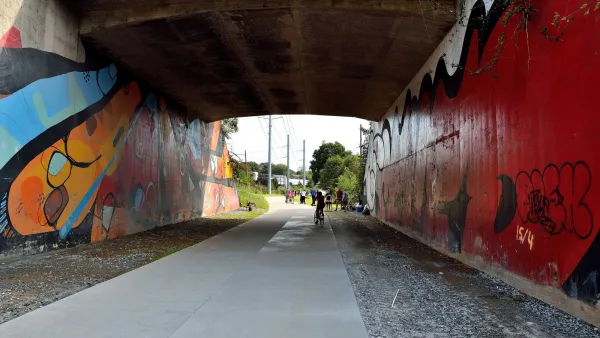
Atlanta BeltLine Raises the Specter of 'Environmental Gentrification'
Large-scale adaptive reuse projects like the BeltLine in Atlanta receive praise in many circles. But they can also release a flurry of speculation, severely threatening affordability.

Planetizen Federal Action Tracker
A weekly monitor of how Trump’s orders and actions are impacting planners and planning in America.

California plans to bury El Niño’s downpour
If the state plays its cards right, it may be able to store a billion acre-feet of El Niño’s water in aquifers.

Desperate measures: Advocates weigh draining Lake Powell to fill Colorado River
Draining the reservoir could reduce evaporation losses by a couple hundred thousand acre-feet.

US buildings threatened, destroyed by fires set to triple by 2060
Researchers found a high fire risk for socioeconomically vulnerable neighborhoods in the American West.

LA residents may be allowed to paint their own crosswalks
Councilwoman Katy Yaroslavsky put out a motion instructing the Los Angeles Department of Public Transportation to study the feasibility of allowing volunteers to paint crosswalks.

Dallas moves to overhaul its zoning code
The city's zoning reform will allow more multi-family and mixed-use developments.

FREE Course: Walkable City 1: Why Walkability?
After describing his path towards focusing on walkability as the essence of good planning, Jeff Speck marches through his five principal reasons for making more walkable places.
Reinventing Malls: Planning Alchemy—Turning Gray Fields Into Gold
The course focuses on the opportunities and imperatives that shape reinvention of mall sites.

City of Rosemead
Rutgers University, Edward J. Bloustein School of Planning and Public Policy
One Hundred Miles
Hunter College, City University of New York (CUNY)
The Architects Foundation
University of Cincinnati Online
City of Cambridge
Montrose County
The Pocatello Development Authority