According to Aaron M. Renn, left-leaning urbanists chafe against a regulatory culture their ideology supports. Favoring "regulation for thee but not for me," they want to bend the rules, but only for enterprises they like.


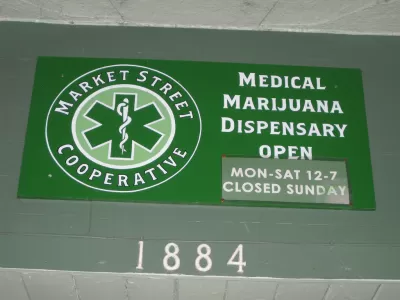
In an article for City Journal, Aaron M. Renn argues that, increasingly, "People identifying as urban progressives increasingly find their own goals stymied by laws and regulations, and they're demanding that these restrictions be overturned or limited."
He cites cases where progressives have sought deregulation for marijuana, urban agriculture, food trucks, and other leftist causes. Then he points to places—such as the environment—where progressives pursue stringent controls. From the article: "What these part-time freedom lovers don't understand is that, absent a wider culture of liberty, calls for selective liberty will probably go unheeded."
For Renn, urban progressives sense the benefits a "culture of liberty" could bring to cities. He challenges them to pick a side. "What the urban Left doesn't recognize is that the regulatory mind-set is nearly impossible to turn on or off, depending on what you like or don't like."
Read the full story: Libertarians of Convenience

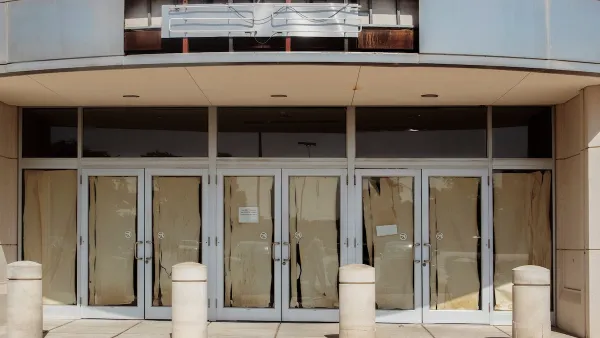
How to Repurpose Vacant Storefronts
Loosening restrictions on clean light manufacturing can revive dormant storefronts and revitalize communities.
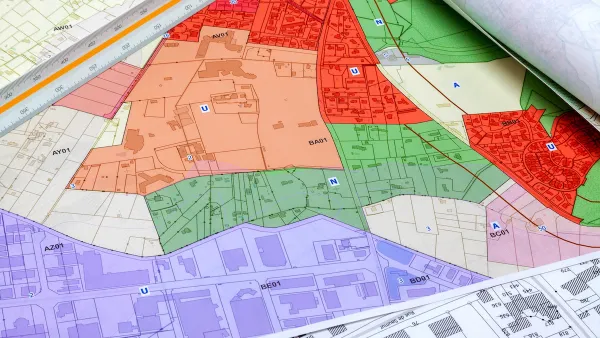
How Zoning Affects Greenhouse Gas Emissions
As the urgency of the climate crisis increases, a paper in the Notre Dame Law Review argues that increased density is not a universally effective strategy to reduce emissions and that different strategies are needed for low-carbon places versus high-carbon ones.
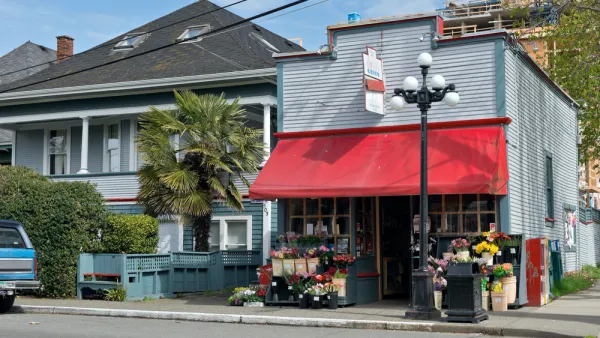
Home-Based Businesses Could Save the Post-Pandemic Economy
Seattle's city council considers reducing 'arbitrary' and 'exclusionary' limits on home-based businesses.

Planetizen Federal Action Tracker
A weekly monitor of how Trump’s orders and actions are impacting planners and planning in America.

Amtrak, CN end decades-long dispute with eight-year agreement
The new operating agreement establishes an updated framework for the companies to work together, including processes to resolve disputes.

Northwest rail fans eager for Sept. 30 debut of Amtrak’s Airo fleet
Get ready for that new train smell and more seats. But they won’t go faster or run more frequently on the Cascades route in Washington and Oregon.

Trump administration unlawfully slashed $7 billion in clean energy grants, judge rules
The Environmental Protection Agency ended the Solar For All program, which provided the grants, after President Donald Trump’s inauguration.

Record-breaking wildlife overpass in Colorado brings 91% reduction in animal collisions
Prior to the overpass, vehicles were hitting one deer per day on Colorado’s Interstate 25.

California lawmakers approve just 5% of much-needed LA28 transportation funding
State legislators appear just as unwilling as Trump to pay for Olympics-related transportation projects.

FREE Course: Walkable City 1: Why Walkability?
After describing his path towards focusing on walkability as the essence of good planning, Jeff Speck marches through his five principal reasons for making more walkable places.
Reinventing Malls: Planning Alchemy—Turning Gray Fields Into Gold
The course focuses on the opportunities and imperatives that shape reinvention of mall sites.

City of Thousand Oaks
City of Wisconsin Rapids
Harvard University Graduate School of Design
The Architects Foundation
University of Cincinnati Online
The Pocatello Development Authority
The Urban Renewal Agency of the City of Pocatello