Libertarianism
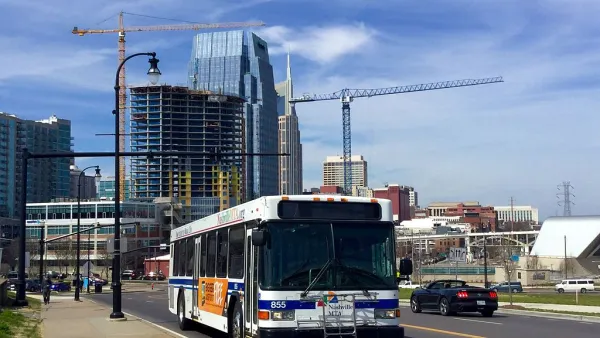
Koch Brothers Behind Local Transit Losses Nationwide
Public transit is increasingly a target of the Koch brothers' crusade against big government.
Op-Ed: Regulation Has Urban Progressives Confused
According to Aaron M. Renn, left-leaning urbanists chafe against a regulatory culture their ideology supports. Favoring "regulation for thee but not for me," they want to bend the rules, but only for enterprises they like.

Regulating the Little Free Library
The Little Free Library movement is a well-intentioned overture to literate neighborliness. In spite of lacking obvious drawbacks, certain officials argue it should undergo more stringent permitting.
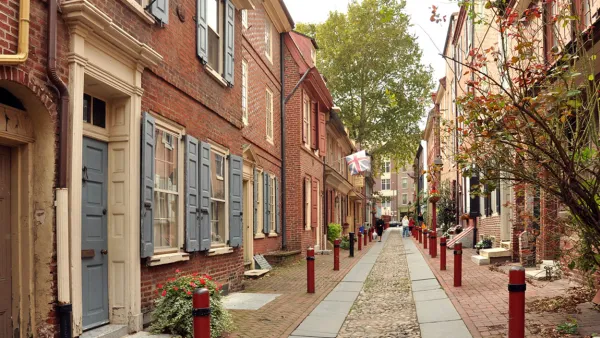
Historic Examples of 'Urbanism Without Government'
We’ve all heard the question “but who will build the roads?” put to libertarians. In a recent article, Emily Washington examines historic examples of urban settings that developed without the guidance of a government.
Actualizing Seasteads
Brainchild of libertarians, seasteads are brand new cities built upon the ocean. It's not as far-fetched as it sounds, according to this article's author, but it will have to overcome the myriad engineering, energy, and legal challenges.
Realligning the Libertarian Stance in the Urban Planning Culture Wars
Libertarians opposition toward government backed light-rail ignores the longer history of government's pro-car policies, says Timothy B. Lee, contributor for Forbes.
Edward Glaeser and Green Cities
Another look at Edward Glaeser's provocative new book Triumph of the City, this time by reporter Mary Newsom and with a focus on Glaeser's opinions on the city and the environment.
The Tie Goes To Freedom
While critiquing one of my blog posts, Prof. Randall Crane asked: "Is any parking regulation a net social burden or only 1.75 spaces per Jacksonville, Florida apartment?" This question in turn is an example of a broader question: how do we resolve an issue when we don’t know, and perhaps have no way of knowing, the ideal empirical answer? Parking regulation presents a classic example: looking at environmental harm alone, it seems to me clear that minimum parking requirements create some environmental harm by on balance encouraging driving, but also reduce environmental harm from "cruising" (motorists wasting time and fuel searching for parking spaces).*
Libertarians and Urbanism
Urbanists have rightfully been wary of libertarianism in the past, says Stephen Smith, but a new crop of Jane Jacobs-loving libertarians could change that perception.

FREE Course: Walkable City 1: Why Walkability?
After describing his path towards focusing on walkability as the essence of good planning, Jeff Speck marches through his five principal reasons for making more walkable places.
Reinventing Malls: Planning Alchemy—Turning Gray Fields Into Gold
The course focuses on the opportunities and imperatives that shape reinvention of mall sites.

City of Rosemead
Rutgers University, Edward J. Bloustein School of Planning and Public Policy
One Hundred Miles
University of Michigan School for Environment and Sustainability (SEAS)
Hunter College, City University of New York (CUNY)
The Architects Foundation
City of Cambridge
Montrose County
The Pocatello Development Authority









