Wood burners are a common source of nostalgia—and particle emissions that wreak havoc on public health. To improve air quality and prevent asthma, heart attacks, and more, the EPA has passed its first rule change for wood burning heaters since 1988.


"The Environmental Protection Agency is moving forward with a new rule that will limit the amount of pollution from household wood heaters," reports Tim Devaney.
"The EPA rules target newly-constructed wood heaters, but do not apply to products like fireplaces, fire pits, pizza ovens, or barbecues, the agency said."
The standards were last updated in 1988, so the EPA claims that technological advancements allow cleaner, more efficient wood heaters. According to an EPA press release announcing the new rules, "[emissions] from new models will be reduced by roughly two-thirds, improving air quality and providing between $3.4 and $7.6 billion in public health benefits. This means that for every dollar spent to bring cleaner heaters to market, the American public will see between $74 and $165 in health benefits."
James Bruggers also reports on the new rule for The Courier-Journal, focusing more on the costs of the new rules to manufacturers. According to Bruggers, the regulations will cost manufacturers $46 million—expenses expected to be passed on to consumers.
FULL STORY: EPA pollution rules target wood heaters

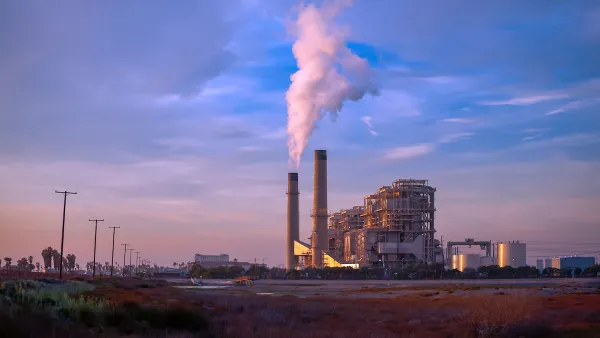
Power Plants: A Win for the EPA
New rules from the US Environmental Protection Agency to regulate greenhouse gas emissions from fossil fuel-fired power plants survived an attempt by 25 Republican-led states to block their implementation while their case is litigated.
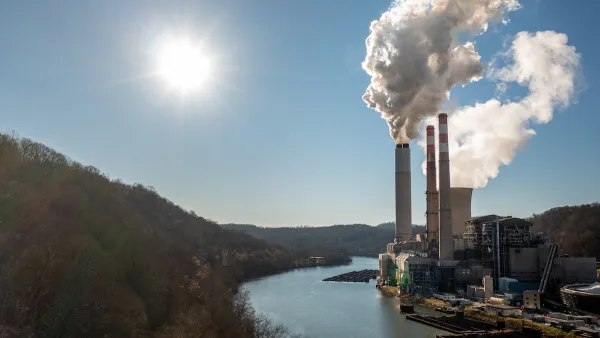
Red States Challenge Biden Rules That Threaten Coal Power Plants
The publication in the Federal Register on May 9 of the Environmental Protection Agency's New Source Performance Standards for Greenhouse Gas Emissions from new power plants triggered the filing of 25 lawsuits from Republican-led states.

Appeals Court: California Emissions Standards Upheld
The U.S. Environmental Protection Agency and the California Air Resources Board, the nation's two most powerful environmental regulatory agencies, won an important round in federal court last week. But the emissions standards battle may not be over.

Planetizen Federal Action Tracker
A weekly monitor of how Trump’s orders and actions are impacting planners and planning in America.

The state-sanctioned urbicide of Austin
People don’t kill cities. Freeways do.

US to reduce Colorado River water deliveries to Mexico
A new Colorado Treaty amendment reduces Mexico’s Colorado River water allocation by 250,000 acre feet.

5 New England states march closer to 800 megawatt wind energy project
Securing federal approval for the project may be complicated under the Trump administration, which has historically been hostile towards domestic wind power.

Baltimore to break ground on $50 million Transit Priority Project
The project will bring faster bus trips, safer streets and better bike connections to Baltimore.

Airbnb launches $250 million 'last-dollar financing' housing accelerator, makes first investment in Austin
The company will put $6.4 million towards affordable housing development in Texas’ capital.

FREE Course: Walkable City 1: Why Walkability?
After describing his path towards focusing on walkability as the essence of good planning, Jeff Speck marches through his five principal reasons for making more walkable places.
Reinventing Malls: Planning Alchemy—Turning Gray Fields Into Gold
The course focuses on the opportunities and imperatives that shape reinvention of mall sites.

Eagle County Government
Harvard University Graduate School of Design
Nashville Planning Department
The Architects Foundation
University of Cincinnati Online
The Pocatello Development Authority
The Urban Renewal Agency of the City of Pocatello
Journal of the American Planning Association