How much money goes unused in the form of spare change leftover on transit cards around the world? One invention would allow those fares to go to charity instead of washing away in the laundry or at the bottom of the dump.


Sydney Brownstone shares news of a system invented by a London-to-New York transplant named Zander Whitehurst to transfer leftover transit fares to charity. To use the system, "subway riders can simply swipe their cards against a special RFID-reading panel to donate extra change. Tapping the Oyster Card against a “” [sic] panel relieves it of 50 pence, while continuing to press the card against the panel drains the Oyster Card fully."
The RFID strip that enables Whitehurst's invention is not yet available on New York City's Metro cards, but London's Oyster Card would work just fine—if, that is, London's transport authority granted permission for the technology to work.
Read the full story: Now You Can Donate Your Leftover Subway Fare To Charity, With A Simple Swipe

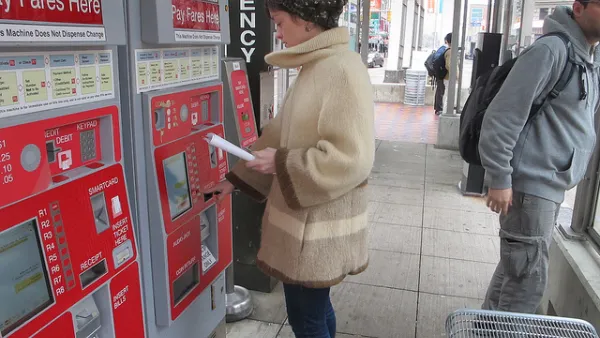
The Benefits of Transit Fare Capping
There's more than one way to incentive transit ridership with fare capping.
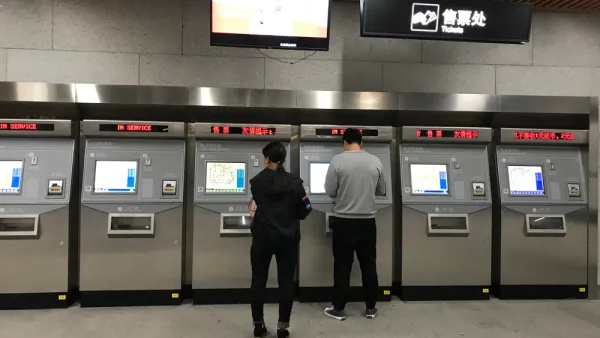
In China, One Transit Card for 260 Cities
A single fare card grants access to public transit rides in 260 Chinese cities.
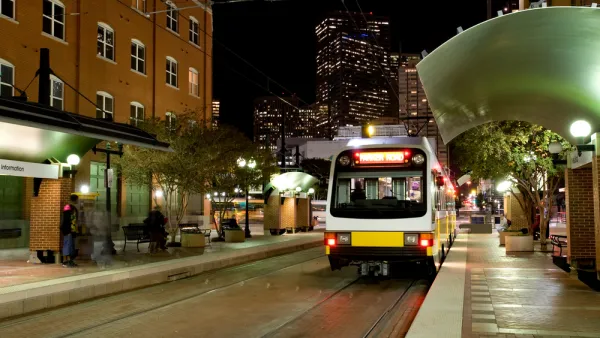
Dallas Area Rapid Transit Overhauling Fare System to Improve User Experience
The changes to DART's fare system will target improvements in the user experience for residents without bank accounts or enough cash to buy monthly passes—i.e., some of the people who need transit most.

Planetizen Federal Action Tracker
A weekly monitor of how Trump’s orders and actions are impacting planners and planning in America.

‘Going backwards:’ Baltimore mayor, students rally against state's transit funding plan
Maryland's proposed six-year plan provides no funding for Baltimore’s BMORE bus program and reduces its road maintenance funding.

Detroit to transform waterfront with $2.2 billion investment
Developers will convert about 18 acres of unused parking lot space into civic spaces.

Data center developers are using lawsuits, cash offers to ‘overwhelm’ rural America
Newsrooms in five states worked together to uncover the tactics big tech developers use to buy land from reluctant communities.

U.S.-Iran war may have ‘devastating’ impact on cost to warm homes
Vermont and Maine residents may see a 76% increase in the cost of warming their homes this winter.

Senate bill would ‘overhaul’ environmental permitting laws
Under the proposed act, government agencies would also not be able to suspend or rescind permits after granting them.

FREE Course: Walkable City 1: Why Walkability?
After describing his path towards focusing on walkability as the essence of good planning, Jeff Speck marches through his five principal reasons for making more walkable places.
Reinventing Malls: Planning Alchemy—Turning Gray Fields Into Gold
The course focuses on the opportunities and imperatives that shape reinvention of mall sites.

One Hundred Miles
County of Mendocino
planning NEXT
The Architects Foundation
University of Cincinnati Online
Montrose County
Northern Illinois Transit Authority (NITA)
The Pocatello Development Authority