The changes to DART's fare system will target improvements in the user experience for residents without bank accounts or enough cash to buy monthly passes—i.e., some of the people who need transit most.


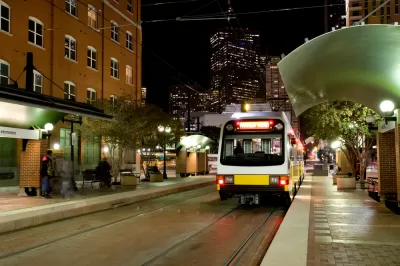
"[Dallas Area Rapid Transit] and a Silicon Valley company are overhauling the agency’s fare payment system so that cash-only passengers next year will be able to use smartphones and reloadable electronic fare cards — instead of exact change and paper tickets — to move around North Texas," reports Brandon Formby.
The fare system is designed to help passengers without bank accounts or debit cards access the DART system. According to Formby, the system fills a specific need in Dallas, which has one of the highest populations of "unbanked" residents.
The article includes more details about additional features of the new fare system that are designed to target people without bank accounts or large amounts of cash. Formby also describes such critical details as how DART will enforce fares under the new system.
Read the full story: No debit card? No problem, with DART’s new fare system


Dallas area transit prepares for World Cup, asks locals to drive
DART is adding a special shuttle service and creating back-up mechanisms to ensure it can serve all of this summer's World Cup attendees.
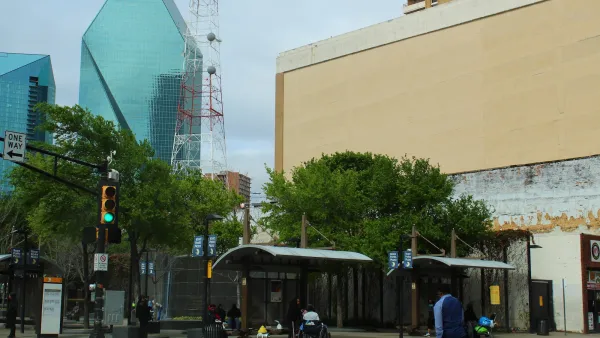
Dallas transit to invest up to $71.5M in upgraded bus shelters
The new shelters will feature solar-powered lighting and materials designed to protect riders from extreme weather.
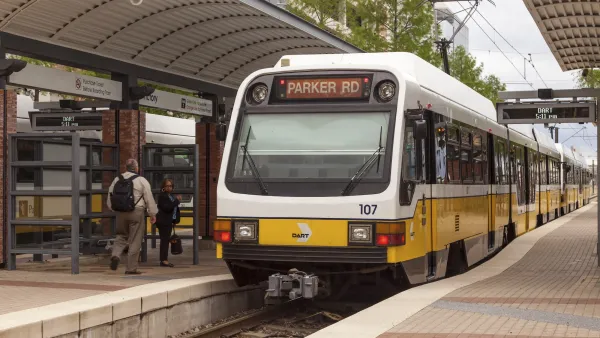
Dallas Sacrifices DART Majority Control in Bid to Keep Suburbs in Transit System
The city would give up majority control of the regional transit system for the first time in its 40-year history.

Planetizen Federal Action Tracker
A weekly monitor of how Trump’s orders and actions are impacting planners and planning in America.

‘Going backwards:’ Baltimore mayor, students rally against state's transit funding plan
Maryland's proposed six-year plan provides no funding for Baltimore’s BMORE bus program and reduces its road maintenance funding.

Detroit to transform waterfront with $2.2 billion investment
Developers will convert about 18 acres of unused parking lot space into civic spaces.

HUD, USDA agree on framework to simplify housing environmental review standards
Their agreement is a requirement of the 21st Century ROAD to Housing Act.

Cost of water rising at a faster pace than inflation, median household income
California and Maryland residents have seen their water bills grow especially high.

NYC building owners overwhelmingly comply with new emissions limits
The New York City Department of Buildings is fining owners who did not file emissions reports.

FREE Course: Walkable City 1: Why Walkability?
After describing his path towards focusing on walkability as the essence of good planning, Jeff Speck marches through his five principal reasons for making more walkable places.
Reinventing Malls: Planning Alchemy—Turning Gray Fields Into Gold
The course focuses on the opportunities and imperatives that shape reinvention of mall sites.

planning NEXT
City of Thousand Oaks
City of Wisconsin Rapids
The Architects Foundation
University of Cincinnati Online
Northern Illinois Transit Authority (NITA)
The Pocatello Development Authority
The Urban Renewal Agency of the City of Pocatello