In the wake of Toronto’s unprecedented ice storm - which saw 300,000 residents loose power for as long as 12 days - Christopher Hume argues that cost-cutting contributed to the extent of havoc wreaked by the city’s under-maintained tree canopy.


“Given the city’s embarrassingly inept response to the ice storm, you’d think winter was the exception in Toronto, not the rule,” writes Christopher Hume. “Even before all the bills are in, civic officials are telling us the storm will cost…at least $106 million.”
“That’s a lot of money, though probably less than what we “saved” by investing as little as possible in the municipal and provincial infrastructure for the past 40 or 50 years.”
“…$106 million would have helped in some small way to pay for updating the system, installing mini-grids, burying cables and maintaining the tree canopy.”
Read the full story: Ice storm reveals real cost of cutbacks: Hume

2013: A Train Wreck Year for Toronto
Christopher Hume reflects on Toronto’s year of natural, political and transit catastrophes.

Revisions Looming, Austin’s Project Connect Reveals the Obstacles of Transit Planning in 2023
A once sprawling and singularly ambitious capital investment plan for the Capital Metro system will soon be reduced in size and scope. The episode is more evidence of an emerging era of transit planning austerity.
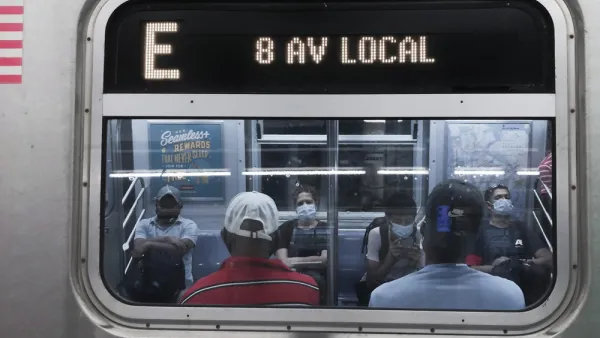
New York MTA Plans Catastrophic Service and Employment Cuts
A vague threat, present since the beginning of the pandemic, is now much more defined in New York City, as transit riders get an idea of what pandemic austerity looks like for the city's mobility. Congress can still save transit agencies.

Amtrak, CN end decades-long dispute with eight-year agreement
The new operating agreement establishes an updated framework for the companies to work together, including processes to resolve disputes.

Northwest rail fans eager for Sept. 30 debut of Amtrak’s Airo fleet
Get ready for that new train smell and more seats. But they won’t go faster or run more frequently on the Cascades route in Washington and Oregon.

Judges permit Denver to divert 77,000 acre feet from the Colorado River for reservoir expansion
Overuse and climate change have caused the Colorado River’s water levels to plummet.

NYC to turn city-owned property into thousands of homes
The city has scheduled a public hearing regarding the development for October.

Buses travel at 5mph along this route in NYC. The Bronx's first-ever busway looks to change that
Prior to the busway, buses on the Bx36 route traveled as slowly as 5 miles per hour.

Pittsburg launches 'EZ permits,' aims for one-day turnaround for low-risk permits
The pilot ‘fast lane’ for permits is part of a bundle of modernization efforts for Pittsburg’s permitting process.

FREE Course: Walkable City 1: Why Walkability?
After describing his path towards focusing on walkability as the essence of good planning, Jeff Speck marches through his five principal reasons for making more walkable places.
Reinventing Malls: Planning Alchemy—Turning Gray Fields Into Gold
The course focuses on the opportunities and imperatives that shape reinvention of mall sites.

City of Thousand Oaks
City of Wisconsin Rapids
Harvard University Graduate School of Design
The Architects Foundation
University of Cincinnati Online
The Pocatello Development Authority
The Urban Renewal Agency of the City of Pocatello