OK, so we missed this relaunch for our just-published list of the Top Websites. Another remarkable venture from the fellows at civic tech leader Code for America, Streeetmix is an impressively user-friendly and attractive tool for designing streets.


"The principle behind Streetmix is simple: it brings drag-and-drop functionality to a basic street design template," explains Stephen Miller. "Users select a road width and add or remove everything from light rail to wayfinding signs, adjusting the size of each feature [sic] meet their specifications."
"But Streetmix is more than just a fun way for amateur street designers to spend an afternoon. 'What we want to focus on is, how can this enable meaningful conversations around streets?' [collaborator Marcin] Wichary said. 'For many people it’s a kind of entry point.'”
“It’s giving power back to the people, allowing them to vocalize what their streetscape priorities are,” [creator Lou] Huang said.
Read the full story: Meet Streetmix, the Website Where You Can Design Your Own Street
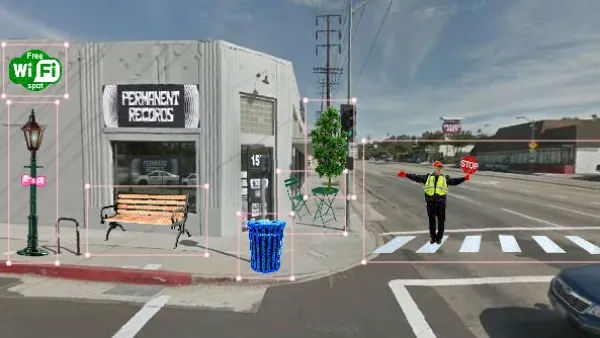
Trick Out Your Street With Two New Design Tools
People-powered street design is getting a major boost with the help of two new tools that make it easy to reimagine unsatisfactory streetscapes.
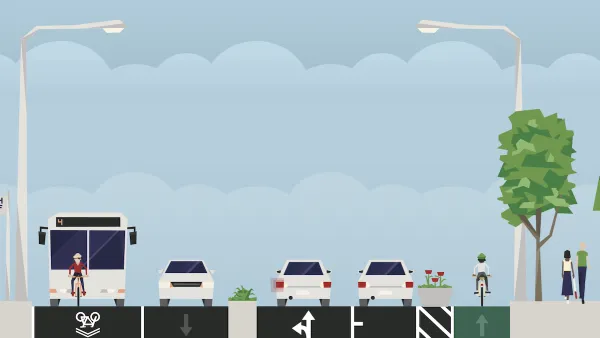
Reimagining Your Street
How to use free online tools to redesign your local streetscape.
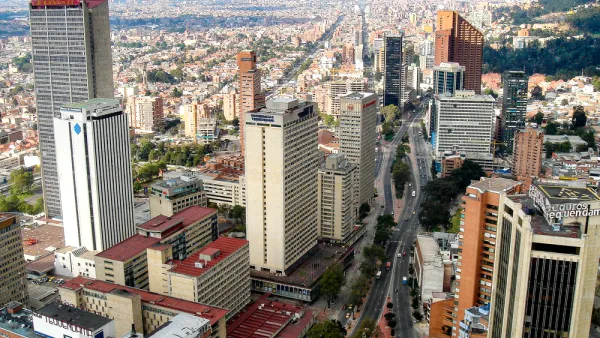
Bogotá Uses 7,000 Public Design Proposals to Redesign its Main Artery
To reimagine the city's most important artery, Bogotá sought community input via an innovative online platform.

Planetizen Federal Action Tracker
A weekly monitor of how Trump’s orders and actions are impacting planners and planning in America.

Eastern Nebraska is running out of electricity
Data centers and electrification are straining eastern Nebraska’s grid, throttling economic development.

Study reveals best places in the U.S. for cycling, walking
New research from Streetlight Data examines bicycle and pedestrian miles per capita in the 100 largest U.S. cities by population.

DSA members accuse Mamdani of 'abandoning values' over housing redevelopment
New York City's mayor plans to replace about 2,000 units of public housing with private, mixed-income housing.

All sides of BRT debate unhappy with CDOT’s most recent move
The Colorado Department of Transportation is no longer considering center-running bus lanes for Colorado Boulevard.

Massachusetts bogs generate both power, and cranberries
Putting solar panels above farmland is one way Massachusetts is advancing toward its goal of net-zero carbon emissions by 2050.

FREE Course: Walkable City 1: Why Walkability?
After describing his path towards focusing on walkability as the essence of good planning, Jeff Speck marches through his five principal reasons for making more walkable places.
Reinventing Malls: Planning Alchemy—Turning Gray Fields Into Gold
The course focuses on the opportunities and imperatives that shape reinvention of mall sites.

City of Rosemead
Rutgers University, Edward J. Bloustein School of Planning and Public Policy
One Hundred Miles
University of Michigan School for Environment and Sustainability (SEAS)
Hunter College, City University of New York (CUNY)
The Architects Foundation
City of Cambridge
The Pocatello Development Authority
The Urban Renewal Agency of the City of Pocatello