Two decades of phenomenal growth have transformed Nashville into 'one of America’s hottest success stories.' In an op-ed for The Tennessean, Bill Freeman argues that for the area to continue to grow wisely it will need to embrace regional planning.


"Almost every issue is a regional issue now," says Freeman, chairman a Nashville-based real estate investment, management and brokerage company. "Traffic, transportation and mass transit. Economic development. Crime and public safety. Tourism. Education."
"While Nashville paid the whole bill for LP Field, Bridgestone Arena and the new Music City Center, the entire region reaps the benefit of those assets, and I believe we will need a more regional approach to funding regionally beneficial projects in the future, especially when it comes to expanding and enhancing our transportation infrastructure — widening roads, building mass transit and adding people-friendly assets like a regional network of greenways and bike trails."
"How we get there from here — how we evolve regional cooperation from the planning level to the funding and operational level — is a discussion we need to be having now, not in 2035."
FULL STORY: Middle Tennessee leaders must take regional approach to growth

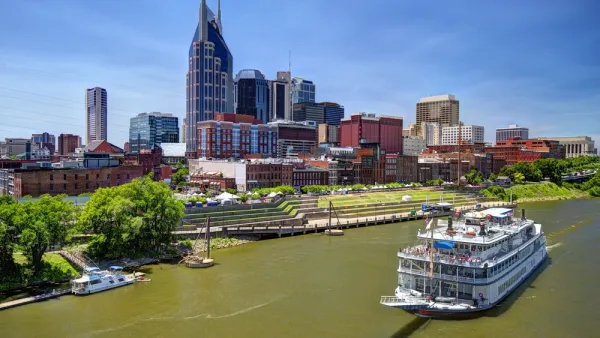
Nashville Mulls Funding Ideas for its $6 Billion Regional Transit Plan
The Nashville Metropolitan Transit Authority and the Regional Transportation Authority of Middle Tennessee adopted the most comprehensive and expansive version of the nMotion plan. Now they have to fund all those big ideas.
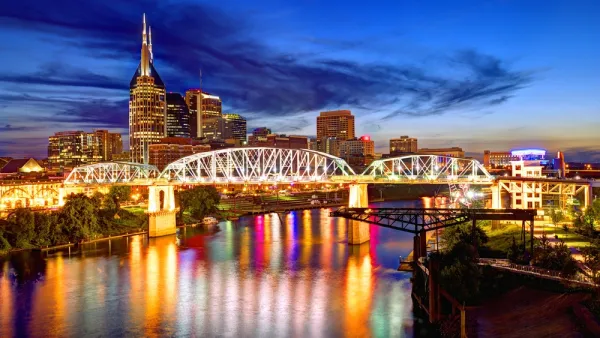
Middle Tennessee Adopts $6 Billion Regional Transit Plan
Middle Tennessee expects 1 million new people to move to the region by 2040. The new nMotion plan, adopted late last week, proposes a regional transit system to accommodate the region's future.
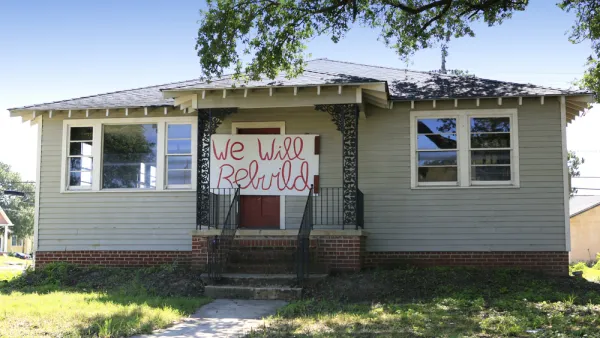
Planetizen Week in Review: August 20, 2016
Climate change dominated the news this week, as flooding wreaked unfathomable havoc on the state of Louisiana.

Planetizen Federal Action Tracker
A weekly monitor of how Trump’s orders and actions are impacting planners and planning in America.

The state-sanctioned urbicide of Austin
People don’t kill cities. Freeways do.

US to reduce Colorado River water deliveries to Mexico
A new Colorado Treaty amendment reduces Mexico’s Colorado River water allocation by 250,000 acre feet.

5 New England states march closer to 800 megawatt wind energy project
Securing federal approval for the project may be complicated under the Trump administration, which has historically been hostile towards domestic wind power.

Baltimore to break ground on $50 million Transit Priority Project
The project will bring faster bus trips, safer streets and better bike connections to Baltimore.

Airbnb launches $250 million 'last-dollar financing' housing accelerator, makes first investment in Austin
The company will put $6.4 million towards affordable housing development in Texas’ capital.

FREE Course: Walkable City 1: Why Walkability?
After describing his path towards focusing on walkability as the essence of good planning, Jeff Speck marches through his five principal reasons for making more walkable places.
Reinventing Malls: Planning Alchemy—Turning Gray Fields Into Gold
The course focuses on the opportunities and imperatives that shape reinvention of mall sites.

Eagle County Government
Harvard University Graduate School of Design
Nashville Planning Department
The Architects Foundation
University of Cincinnati Online
The Pocatello Development Authority
The Urban Renewal Agency of the City of Pocatello
Journal of the American Planning Association