For years, public leaders have touted low interest rates as a fantastic opportunity to borrow money to modernize America's aging infrastructure. That opportunity looks to be ending, as rising interest rates batter the municipal bond market.


"States and cities across the nation are starting to learn what Wall Street already knows: the days of easy money are coming to an end," writes Mary Williams Walsh. "Interest rates have been inching up everywhere, sending America’s vast market for municipal bonds, a crucial source of financing for roads, bridges, schools and more, into its steepest decline since the dark days of the financial crisis in 2008."
"For one state, Illinois, the higher interest rates will add up to $130 million over the next 25 years — and that is for just one new borrowing. All told, the interest burden of states and localities is likely to grow by many billions, sapping tax dollars that otherwise might have been spent on public services."
"Much as home mortgage rates are making home buying a bit more costly as they rise, so, too, are the rates at which states and cities borrow money," she explains.
"Public officials — and taxpayers — may feel the effects for years. Perversely, the places with the greatest distress are likely to see their borrowing costs rise most."
Read the full story: Cost of Public Projects Is Rising, and Pain Will Be Felt for Years

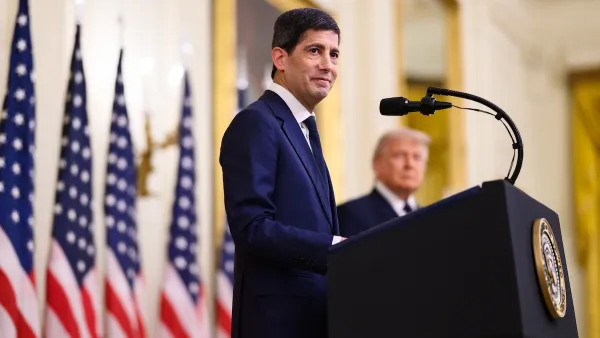
Raised interest rates may kill financially vulnerable construction projects
The chief economist at ConstructConnect warns that if construction project owners are negatively impacted by the raised rates, it could result in delayed payments to contractors.
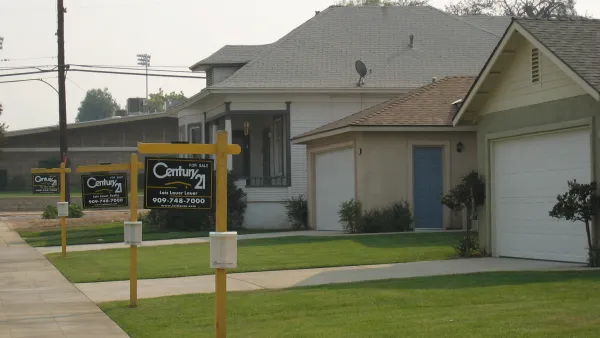
The ‘Lock-In Effect’ Keeping Home Prices High
Housing prices dropped slightly last year, but first-time and middle-income buyers found little price relief due to the “lock-in effect” of the historically low interest rates in effect for more than a decade prior to 2022.

Planning Trends to Watch in 2023
The days and weeks since the arrival of Covid-19 have been filled with so much noise about the future, it’s been difficult to distinguish between big stories and frivolous distractions. Planetizen is here to help.

Amtrak, CN end decades-long dispute with eight-year agreement
The new operating agreement establishes an updated framework for the companies to work together, including processes to resolve disputes.

Judges permit Denver to divert 77,000 acre feet from the Colorado River for reservoir expansion
Overuse and climate change have caused the Colorado River’s water levels to plummet.
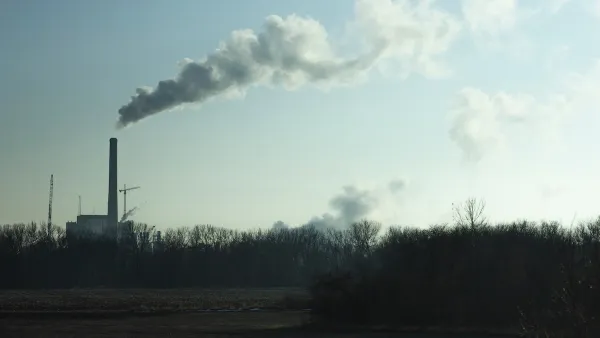
Nation's most wind-powered state turns to coal as data centers increase energy demand
For the first time in decades, Iowa has increased its generation of coal power.

Boston has spent millions making the Green Line more accessible — and there’s no end in sight
While the city has invested millions into expanding and adding platforms to the Green Line to make it more accessible, new train cars set to arrive next year will be too tall for disabled passengers to board without raising the current platforms.

Idaho may see an 18% drop in federal surface transit funding — the largest estimated cut in the US
Transit systems in rural communities are much more reliant on federal funding to provide their services.

How ‘post-disaster gentrification’ alters neighborhoods after natural calamities
After hurricanes, fires or other calamities, the original residents of a community are often replaced by younger, wealthier residents.

FREE Course: Walkable City 1: Why Walkability?
After describing his path towards focusing on walkability as the essence of good planning, Jeff Speck marches through his five principal reasons for making more walkable places.
Reinventing Malls: Planning Alchemy—Turning Gray Fields Into Gold
The course focuses on the opportunities and imperatives that shape reinvention of mall sites.

City of Wisconsin Rapids
Harvard University Graduate School of Design
KFH Group Inc.
The Architects Foundation
University of Cincinnati Online
The Pocatello Development Authority
The Urban Renewal Agency of the City of Pocatello