In its enduring quest to slake its immense thirst, and protect its beautiful beaches, Los Angeles leaders are putting forth an ambitious proposal to solve two problems with one solution: make runoff drinkable.


"Even in this water-starved region, storm and other runoff has become the primary source of water pollution," writes Ian Lovett. "After the rare rains, runoff drags heavy metals, pesticides, cigarette butts, animal waste and other pollutants into streams and rivers and eventually to the Pacific Ocean, turning Los Angeles County’s beaches into the filthiest in the state."
"But now, local officials are trying to deal with runoff pollution and another problem — the lack of drinking water — with an ambitious plan to make the runoff drinkable."
"The Los Angeles Regional Water Quality Control Board has issued new rules that include strong incentives for cities to work together on projects that capture and filter rainwater in the ground. Not only would those projects keep runoff pollution out of the waterways, they would also bolster groundwater supplies, which could eventually be used for drinking water."
Read the full story: Slaking a Region’s Thirst While Cleaning Its Beaches
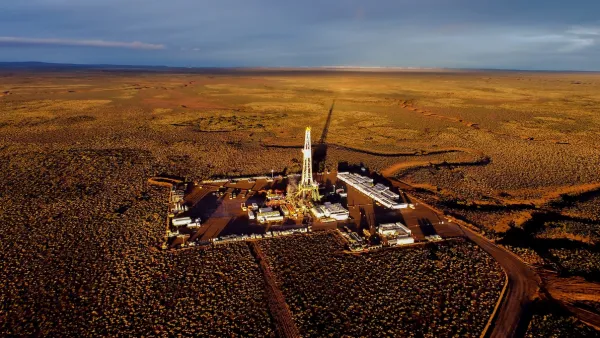
Study: Fracking Chemical Disclosures Prompt More Cautious Behavior
Because toxic chemicals used in fracking can contaminate local water supplies, residents in states that require companies to disclose their materials are more likely to increase their bottled water consumption.
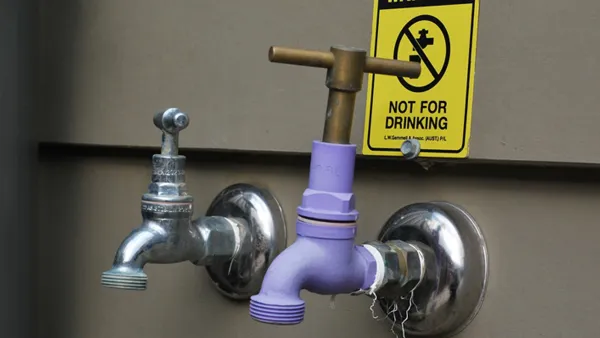
The Real Cost of Clean Water in One Kansas Town
Pretty Prairie has water with very high levels of nitrates, and lots of farmers that need to use nitrates if they want to keep the local economy going.
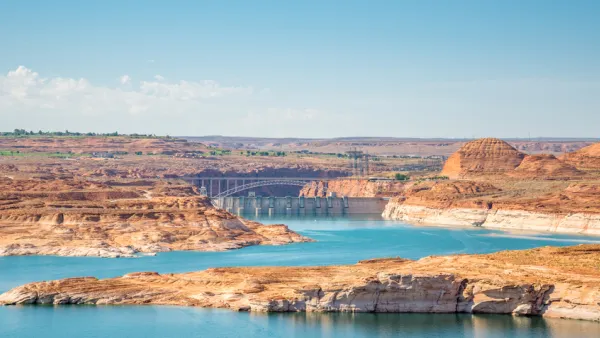
Climate Change Is Shrinking the Colorado River
Documenting the effects of climate change on the West's most vital source of water.

Planetizen Federal Action Tracker
A weekly monitor of how Trump’s orders and actions are impacting planners and planning in America.

Eastern Nebraska is running out of electricity
Data centers and electrification are straining eastern Nebraska’s grid, throttling economic development.
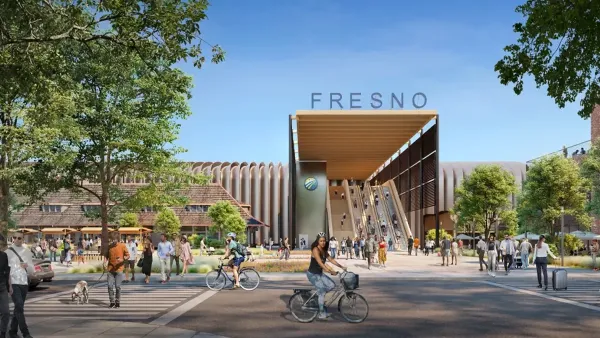
California High-Speed Rail Authority picks trainset manufacturer
The California High-Speed Rail Authority aims to start servicing passengers by 2033.

What could the future of LA transit look like under Raman?
The mayor-elect views broken sidewalks and potholes as crises that can be fixed with better governance.

States are counting on battery farms. Some towns don’t want them.
While fire safety has improved, some communities are still wary.

Dallas releases zoning code overhaul to officials
The drafted overhaul is over 400 pages long.

FREE Course: Walkable City 1: Why Walkability?
After describing his path towards focusing on walkability as the essence of good planning, Jeff Speck marches through his five principal reasons for making more walkable places.
Reinventing Malls: Planning Alchemy—Turning Gray Fields Into Gold
The course focuses on the opportunities and imperatives that shape reinvention of mall sites.

City of Rosemead
Rutgers University, Edward J. Bloustein School of Planning and Public Policy
One Hundred Miles
University of Michigan School for Environment and Sustainability (SEAS)
Hunter College, City University of New York (CUNY)
The Architects Foundation
City of Cambridge
The Pocatello Development Authority
The Urban Renewal Agency of the City of Pocatello