Steven Greenhut opines on the lucky break he believes residents of Sacramento received earlier this week when owners of the city's NBA franchise backed out of a partnership to build a new basketball arena in the city's downtown.


The "handshake deal" agreed to in February would have required the team's owners, the Maloof family, to kick in $73 million of their own money, in addition to the $255 million the city was expected to generate by privatizing its parking.
Although civic boosters are outraged by the snub, Greenhut believes there is reason to cheer.
"Economists have long understood that new arenas and sports stadiums rarely bring new economic activity into a city, but merely move entertainment money around the region...Sacramento officials spent their time and squandered taxpayer money on such dreams, while neglecting the nitty-gritty of municipal government -- a negligence that shows throughout city neighborhoods."
Read the full story: Sacramento Is Fresh Victim of Bad Stadium Deals
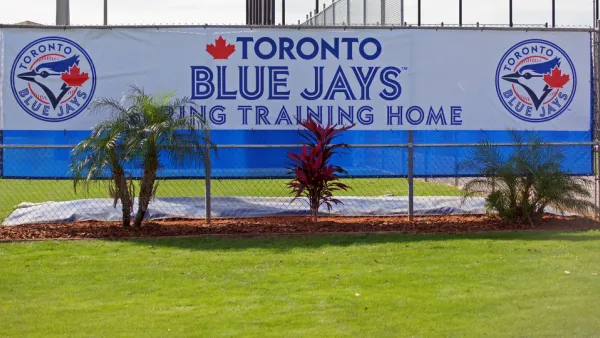
Florida Stadium Consultant Built a Questionable Model to Justify Stadium Deals
Mark Bonn PHD who has been used by teams looking to secure public financing for stadiums, assumed that the vast majority of people attending Blue Jays spring training games wouldn't live in the county where the games were played.
Sacramento Streetcar Funding Reaches Key Goal
Imagine taking a streetcar across Sacramento's iconic Tower Bridge for a three mile trip. Backers are en route to securing matching local funding for the project. However, local voters will have the final say in a June 2 Mello-Roos special election.
Streamlined CEQA Reform Passes Under a New Bill
Senator Steinberg's CEQA reform bill, SB 731, which we have been following all year, died - but many of the most important aspects - LOS, aesthetic and parking impacts, have been transferred to SB 743 (Kings Arena bill), though applied more narrowly.

Desperate measures: Advocates weigh draining Lake Powell to fill Colorado River
Draining the reservoir could reduce evaporation losses by a couple hundred thousand acre-feet.

Eastern Nebraska is running out of electricity
Data centers and electrification are straining eastern Nebraska’s grid, throttling economic development.

Move over, LA: St. Louis gears up for Olympics, invests millions in downtown redevelopment
The Missouri city will host the 2028 Olympic soccer group stage and knockout matches.

Mass. votes against statewide minimum lot size for single-family homes
Over 2 million residents voted on Question 7; it was decided by just over 30,000 votes.

Maryland’s $15 billion bridge project gains key approval
The Maryland Transit Authority said the project will create over 60,000 jobs and add $23 billion to the local economy.

‘No clear next steps’ for Chicago's permanent festival grounds
Eleventh Ward Ald. Nicole Lee has suggested Soldier Field as a possible location for the permanent event space.

FREE Course: Walkable City 1: Why Walkability?
After describing his path towards focusing on walkability as the essence of good planning, Jeff Speck marches through his five principal reasons for making more walkable places.
Reinventing Malls: Planning Alchemy—Turning Gray Fields Into Gold
The course focuses on the opportunities and imperatives that shape reinvention of mall sites.

City of Rosemead
Rutgers University, Edward J. Bloustein School of Planning and Public Policy
One Hundred Miles
University of Michigan School for Environment and Sustainability (SEAS)
Hunter College, City University of New York (CUNY)
The Architects Foundation
City of Cambridge
Montrose County
The Pocatello Development Authority