States across the country are expanding legalization of commercial casinos in what many frame as a no-lose proposition. Writing in The New York Times, Paul Davies makes the case against the expansion of casinos in New York State.


In this time of shrinking tax revenues due to the economic slide, casinos are increasingly seen by municipalities and states across the country as an easy path to revenue growth and job creation. Davies, however, paints the larger picture of what is to be lost or gained by casino legalization.
"The casinos might create jobs and generate revenue for state coffers, but those gains would come at a cost that casino supporters ignore or play down. Various studies, including research by the economist Earl L. Grinols at Baylor University, have shown that casinos produce little to no economic spinoff and in fact divert spending away from surrounding businesses like restaurants, movie theaters and live entertainment....Casinos are nothing more than a regressive tax that extracts wealth from the very citizens who can least afford it."
Read the full story: New York’s Bad Bet


Water Quality Comes Up Trumps in New Florida Gambling Deal
Florida will direct almost all the revenue from its gambling compact with the Seminole Tribe to fund water quality projects, to the tune of billions.
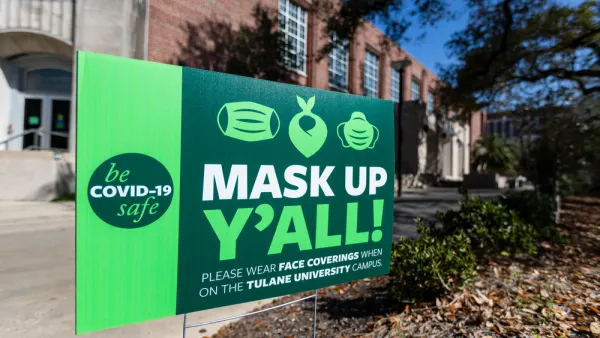
Omicron Breaks Another Pandemic Record: Hospitalizations
The highly infectious Omicron variant is contributing to a record number of COVID-19 hospitalizations in the U.S. The record set in last winter's surge fell on Tuesday as hospitals suffer from massive labor shortages caused by the variant.
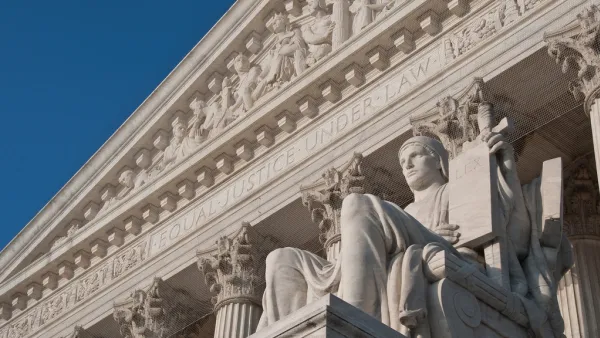
U.S. Supreme Court Upholds New York State Vaccine Mandate
Health care workers in New York will be required to be vaccinated against COVID-19 after the Supreme Court voted 6-3 to reject hearing an appeal brought by workers who had sought a religious exemption. Also, an update on the federal vaccine mandate.

Planetizen Federal Action Tracker
A weekly monitor of how Trump’s orders and actions are impacting planners and planning in America.

‘Going backwards:’ Baltimore mayor, students rally against state's transit funding plan
Maryland's proposed six-year plan provides no funding for Baltimore’s BMORE bus program and reduces its road maintenance funding.

Detroit to transform waterfront with $2.2 billion investment
Developers will convert about 18 acres of unused parking lot space into civic spaces.

Less housing, wasted money: study reveals impact of city parking mandates
The study found that 71% of carless households in the United States pay for a parking space they don’t use.

Minnesota seeks to replace fraud-ridden Housing Stabilization Services with new program
Federal prosecutors have charged over a dozen people in fraud cases involving at least $26 million.

A multi-billion dollar problem is brewing under Oakland’s streets
Oakland’s stormwater drainage systems are in desperate need of upgrades and repairs. The El Niño will only further strain the city’s infrastructure.

FREE Course: Walkable City 1: Why Walkability?
After describing his path towards focusing on walkability as the essence of good planning, Jeff Speck marches through his five principal reasons for making more walkable places.
Reinventing Malls: Planning Alchemy—Turning Gray Fields Into Gold
The course focuses on the opportunities and imperatives that shape reinvention of mall sites.

One Hundred Miles
County of Mendocino
planning NEXT
The Architects Foundation
University of Cincinnati Online
Montrose County
Northern Illinois Transit Authority (NITA)
The Pocatello Development Authority