Florida will direct almost all the revenue from its gambling compact with the Seminole Tribe to fund water quality projects, to the tune of billions.


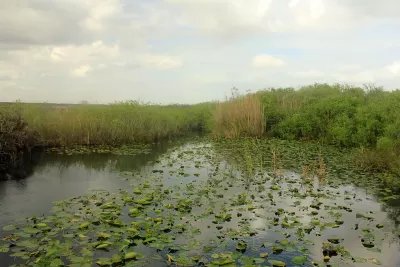
Florida Gov. Ron DeSantis signed into law a deal between the state and the Seminole Tribe to expand the tribe’s gambling offerings to include online sports betting statewide and allow games such as craps and roulette at its casinos. In return, the state will receive a portion of the profits, to the tune of an estimated $750 million a year and up to $6 billion through 2030, 96 percent of which will go toward water quality projects, according to an article in Governing.
Within the next fiscal year, the measure is expected to provide $150 million to repair and upgrade the Central and South Florida Water Management System, which provides water for more than 9 million people, as well as several recurring projects, including resilient projects to help minimize the impacts of hurricanes. After specific allocations outlined in the legislation, the rest of the money will go toward the Water Protection and Sustainability Program Trust Fund, which seeks to reduce harmful nutrients from fertilizer and septic runoff into the state’s waterways.
Read the full story: Florida Will Devote Gaming Revenue to Water Quality
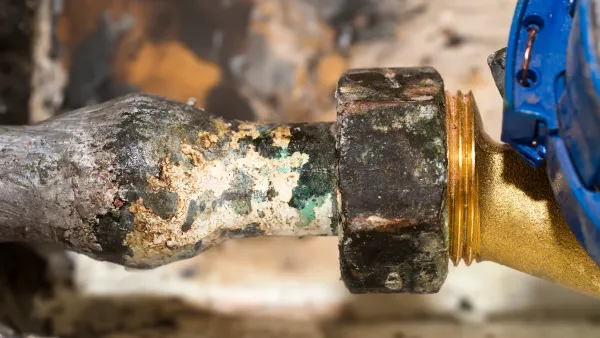
President Sets New Deadline for Replacing Lead Pipes
U.S. cities are charged with replacing dangerous lead pipes and improving drinking water quality within the next 13 years.
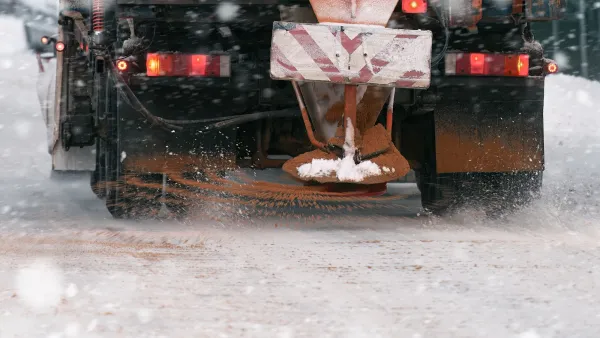
Winter Road Salt is Making Waterways Toxic to Wildlife
Salt used to clear streets is accumulating in local creeks and rivers and seeping into groundwater, contaminating fresh water supplies.
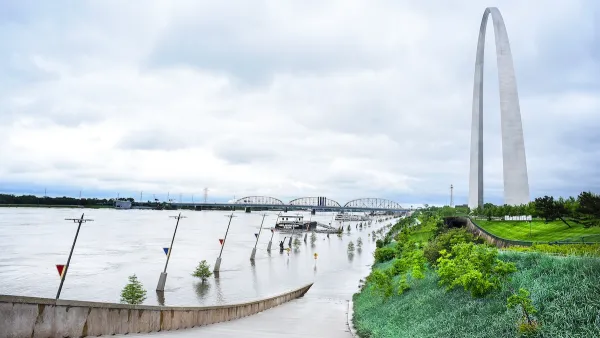
St. Louis has a Secret Stormwater Weapon Saving 100 Million Gallons from the Mississippi
The city reimburses residents who install gardens, rain barrels, and other methods that retain stormwater and decrease the risk of flooding.

Planetizen Federal Action Tracker
A weekly monitor of how Trump’s orders and actions are impacting planners and planning in America.

California plans to bury El Niño’s downpour
If the state plays its cards right, it may be able to store a billion acre-feet of El Niño’s water in aquifers.

Desperate measures: Advocates weigh draining Lake Powell to fill Colorado River
Draining the reservoir could reduce evaporation losses by a couple hundred thousand acre-feet.

Chicago voters approve permanent festival grounds, penalty for vacant property owners
Currently, major summer and fall festivals take over public parks for weeks at a time, drawing criticism from nearby residents

NYC votes to cut outdoor dining red tape, speed up permitting
New York City also voted to allow the Department of Transportation to begin work on urgent projects before notifying elected officials.

California appears to reject Prop. 45
The proposition would have expanded the projects that qualify for a streamlined environmental review, effectively paring down the California Environmental Quality Act.

FREE Course: Walkable City 1: Why Walkability?
After describing his path towards focusing on walkability as the essence of good planning, Jeff Speck marches through his five principal reasons for making more walkable places.
Reinventing Malls: Planning Alchemy—Turning Gray Fields Into Gold
The course focuses on the opportunities and imperatives that shape reinvention of mall sites.


City of Rosemead
Rutgers University, Edward J. Bloustein School of Planning and Public Policy
One Hundred Miles
Hunter College, City University of New York (CUNY)
The Architects Foundation
University of Cincinnati Online
City of Cambridge
Montrose County
The Pocatello Development Authority