With perhaps as many as 2 billion parking spaces in the US, planners and architects should "take seriously" the parking lot as an actual, useful public space.


"For starters we ought to take these lots more seriously, architecturally. Many architects and urban planners don't. Beyond greener designs and the occasional celebrity-architect garage, we need to think more about these lots as public spaces, as part of the infrastructure of our streets and sidewalks, places for various activities that may change and evolve, because not all good architecture is permanent. Hundreds of lots already are taken over by farmers' markets, street-hockey games, teenage partiers and church services. We need to recognize and encourage diversity," writes author Michael Kimmelman.
In a competition to adaptively reuse shopping malls, for example, Kimmelman cites one planning firm's approach to parking lots:
"Interboro noticed that the parking lot was quietly being used as a depot and stop by bus lines. A hot dog truck had set up shop there. Patrons at a drive-through McDonald's ate in their parked cars. Truckers slept there overnight. The Fishkill flea market took over on weekends, and a graphic design firm and a couple of banks and a post-office processing center converted vacant mall stores into offices.
In short, said Daniel D'Oca, one of Interboro's partners, 'what looked dead wasn't, but you would have missed it if you just passed by it with a predisposed idea about sprawl.'"
FULL STORY: Paved, but Still Alive

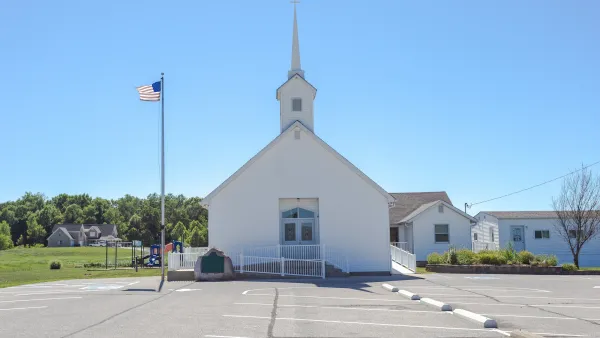
Three Ways to Activate Church Parking Lots Seven Days a Week
Churches need parking, but most of their lots are wasted space six days a week.
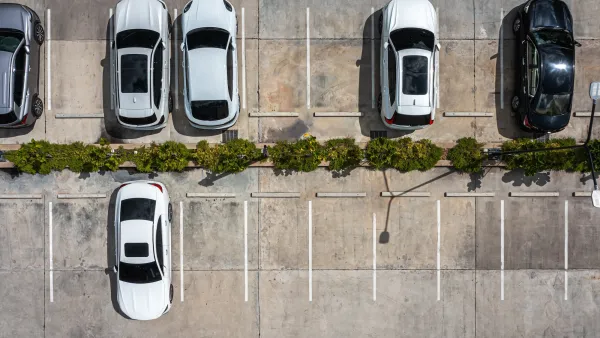
Who Wants to Play SimParkingLot?
The original urban planning game wanted to model real life cities. One grim reality of American urbanism held it back.
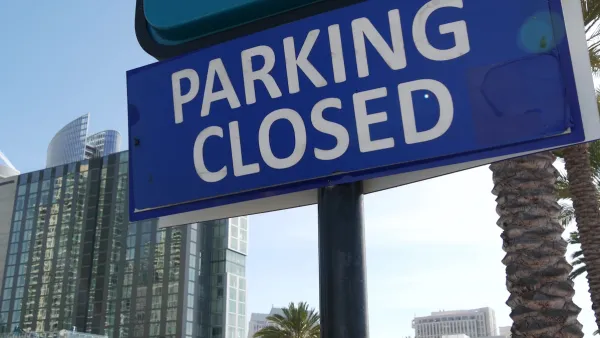
Opinion: Cities Must Take Action on Blighted Downtown Parking Lots
Surface parking lots take up as much as a third of downtown land in some cities, dragging down tax revenue and redevelopment prospects.

Planetizen Federal Action Tracker
A weekly monitor of how Trump’s orders and actions are impacting planners and planning in America.

The state-sanctioned urbicide of Austin
People don’t kill cities. Freeways do.

US to reduce Colorado River water deliveries to Mexico
A new Colorado Treaty amendment reduces Mexico’s Colorado River water allocation by 250,000 acre feet.

5 New England states march closer to 800 megawatt wind energy project
Securing federal approval for the project may be complicated under the Trump administration, which has historically been hostile towards domestic wind power.

Baltimore to break ground on $50 million Transit Priority Project
The project will bring faster bus trips, safer streets and better bike connections to Baltimore.

Airbnb launches $250 million 'last-dollar financing' housing accelerator, makes first investment in Austin
The company will put $6.4 million towards affordable housing development in Texas’ capital.

FREE Course: Walkable City 1: Why Walkability?
After describing his path towards focusing on walkability as the essence of good planning, Jeff Speck marches through his five principal reasons for making more walkable places.
Reinventing Malls: Planning Alchemy—Turning Gray Fields Into Gold
The course focuses on the opportunities and imperatives that shape reinvention of mall sites.

Eagle County Government
Harvard University Graduate School of Design
Nashville Planning Department
The Architects Foundation
University of Cincinnati Online
The Pocatello Development Authority
The Urban Renewal Agency of the City of Pocatello
Journal of the American Planning Association