When a student housing firm faced competition in the form of a proposed new building at USC, it filed a lawsuit against them using CEQA (the California Environmental Quality Act). Then they sued the developer's other projects too.


Is CEQA a savior of California's environment, or regulation gone wild? Nicholas Riccardi of The Los Angeles Times reports:
"...as state politicians scramble to assure voters they are trying to create jobs, they have turned on the 40-year-old law and the cottage industry of litigation it has spawned."
Gov. Jerry Brown has said that there are "too many damn regulations" when it comes to new development, and has signed a number of bills to bypass CEQA, including one "that would ease the requirements for some urban projects that otherwise meet planning standards."
Riccardi explains the history of CEQA, and points to a number of other cases where it was used more as a weapon than for its intended use:
"In Glendale, the owners of the Glendale Galleria mall filed a CEQA lawsuit against a proposed new mall, losing the litigation but delaying the project by several months."
Read the full story: Firms turning to environmental law to combat rivals


California lawmakers approve bill that would shield housing, sports arena project from environmental lawsuits
The bill passed the Assembly with 72 votes out of a possible 80 and later cleared the Senate on a unanimous vote.

California Adopts CEQA Reforms for Infrastructure, Leaves Out Residential
The state of California adopted reforms to the California Environmental Quality Act (CEQA) pertaining to climate-friendly infrastructure projects, but residential development interests hoping for relief from CEQA will have to wait.
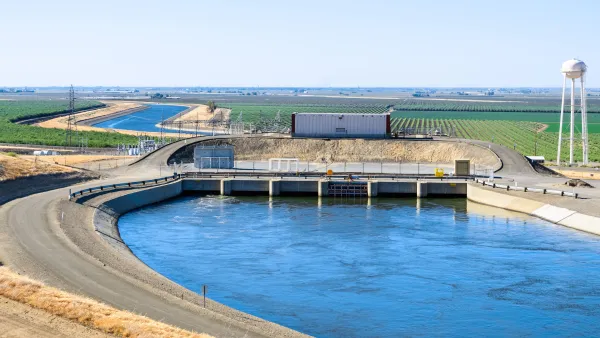
California Governor's Proposal Would Streamline Infrastructure Projects
Governor Newsom hopes his proposed changes to state laws would help speed up infrastructure projects before federal funding is put in jeopardy.

Amtrak, CN end decades-long dispute with eight-year agreement
The new operating agreement establishes an updated framework for the companies to work together, including processes to resolve disputes.

Judges permit Denver to divert 77,000 acre feet from the Colorado River for reservoir expansion
Overuse and climate change have caused the Colorado River’s water levels to plummet.
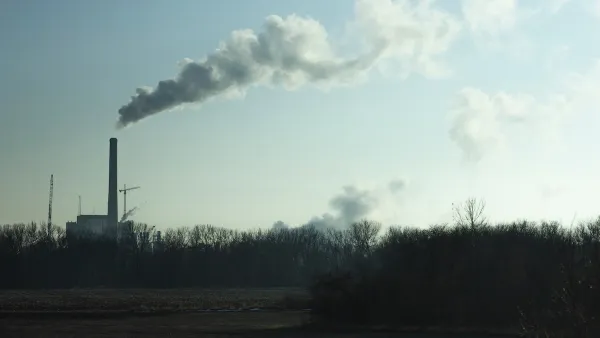
Nation's most wind-powered state turns to coal as data centers increase energy demand
For the first time in decades, Iowa has increased its generation of coal power.

Boston has spent millions making the Green Line more accessible — and there’s no end in sight
While the city has invested millions into expanding and adding platforms to the Green Line to make it more accessible, new train cars set to arrive next year will be too tall for disabled passengers to board without raising the current platforms.

Idaho may see an 18% drop in federal surface transit funding — the largest estimated cut in the US
Transit systems in rural communities are much more reliant on federal funding to provide their services.

How ‘post-disaster gentrification’ alters neighborhoods after natural calamities
After hurricanes, fires or other calamities, the original residents of a community are often replaced by younger, wealthier residents.

FREE Course: Walkable City 1: Why Walkability?
After describing his path towards focusing on walkability as the essence of good planning, Jeff Speck marches through his five principal reasons for making more walkable places.
Reinventing Malls: Planning Alchemy—Turning Gray Fields Into Gold
The course focuses on the opportunities and imperatives that shape reinvention of mall sites.

City of Wisconsin Rapids
Harvard University Graduate School of Design
KFH Group Inc.
The Architects Foundation
University of Cincinnati Online
The Pocatello Development Authority
The Urban Renewal Agency of the City of Pocatello