Transportation consultant Jeff Tumlin admits that it's no easy job to convince people (let alone political leaders) that it's in their best interest, and that of their community, that parking should not be free. New technology may be the ticket.


Tumlin explains its not just the cutting-edge technology that SF Park and other 'performance parking' programs use that notifies drivers when a parking space is free, and can adjust rates to get to ensure an 85% occupancy rate that parking guru Don Shoup advocates. A simple pay station or meter that accepts credit cards makes parking rate increases much more tolerated by the public, sparing city councils their wrath.
All this technology "has made it even more embarrassing for the cities that are badly managing their parking."
But pricing is not only important to effective management of a city's parking supply, Tumlin explains.
"You can create an enormous net public equity benefit by charging for parking," he says. "The real argument is that there is nothing more inequitable than our current policies of providing gross subsidies to the wealthiest and most privileged members of society, who are the people who own the most cars."
Thanks to Mike Bullock
FULL STORY: It's the Parking, Stupid: One Transportation Consultant's Tough Love Approach

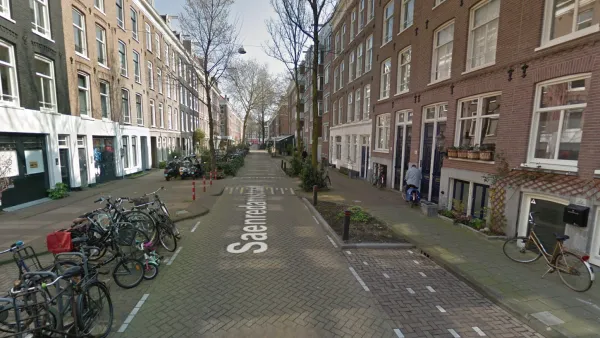
Watch: How to Remove Thousands of Parking Spaces
What the city of Amsterdam will gain by removing cars from on-street parking space.
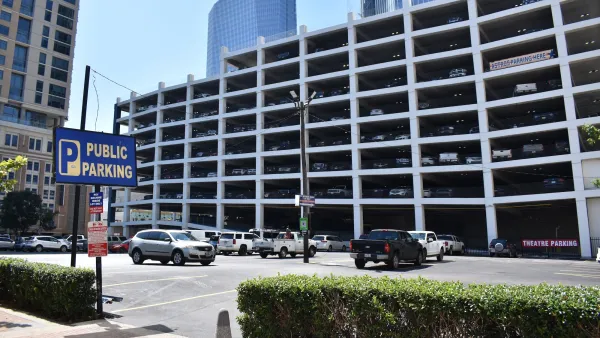
Downtown Houston parking garage will take up an entire block
The garage will connect to the Houston Center retail complex, a 4.6-million square foot office and commercial site.
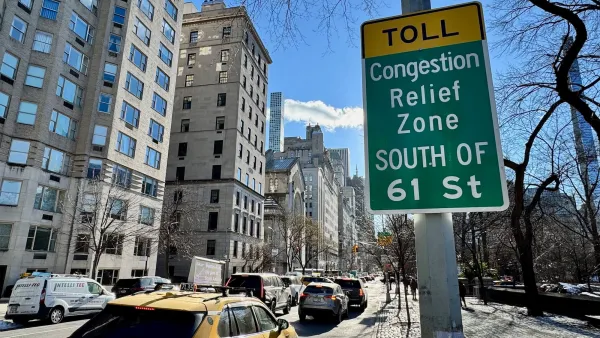
Study: NYC congestion pricing didn't impact parking demand
A city report shows that free parking, not congestion pricing, is the main driver of limited parking demand in the city.

The state-sanctioned urbicide of Austin
People don’t kill cities. Freeways do.

US to reduce Colorado River water deliveries to Mexico
A new Colorado Treaty amendment reduces Mexico’s Colorado River water allocation by 250,000 acre feet.

New Jersey’s second-largest city bans standalone data centers
Jersey City will continue to allow co-location facilities, such as those meant for research institutions that store their own data.

Amtrak not solely to blame for New Jersey commuter rail's unreliability, report finds
A new study from the Garden State Initiative found that NJ Transit’s budget grew 20% across a 4 year period, but reliability declined significantly over the same period.

EPA erases limits on planet-warming pollution from power plants
Under Monday’s plan, power plants would still have some limits on how much mercury, arsenic and other contaminants they can emit.

Phoenix announces new on-demand transit service, more frequent RAPID buses
Both new services will launch in October, and are part of Phoenix's Project Effective Access Solutions for Easing Congestion.

FREE Course: Walkable City 1: Why Walkability?
After describing his path towards focusing on walkability as the essence of good planning, Jeff Speck marches through his five principal reasons for making more walkable places.
Reinventing Malls: Planning Alchemy—Turning Gray Fields Into Gold
The course focuses on the opportunities and imperatives that shape reinvention of mall sites.

Eagle County Government
Harvard University Graduate School of Design
Nashville Planning Department
The Architects Foundation
University of Cincinnati Online
The Pocatello Development Authority
The Urban Renewal Agency of the City of Pocatello
Journal of the American Planning Association