A proposal to build a casino in downtown Minneapolis has locals and lawmakers wondering if it's a good deal for the city. The governor wants more than the suggested 25% take of revenues, but others say even that is not worthwhile.


"The downtown project would be a major expansion of gambling in the state, which has 18 casinos, all owned by tribes. Proponents say the proposed casino, which would be state-owned, could generate $400 million in revenue a year and create 2,400 gambling jobs. That sort of economic impact could prove enticing for state lawmakers still wrestling with a $5 billion budget deficit, though many lawmakers in both parties oppose expanding gambling.
DFL Sen. Linda Higgins, who represents downtown, said she was skeptical that the facility would deliver on the promises of the developers.
'It'll bring pawn shops to downtown, if what has happened elsewhere is accurate,' Higgins said."
Others worry that the approval of the casino would have a domino effect in other cities, creating a rash of casinos throughout the state.
Read the full story: Would downtown Minneapolis casino be a jackpot for Minnesota?
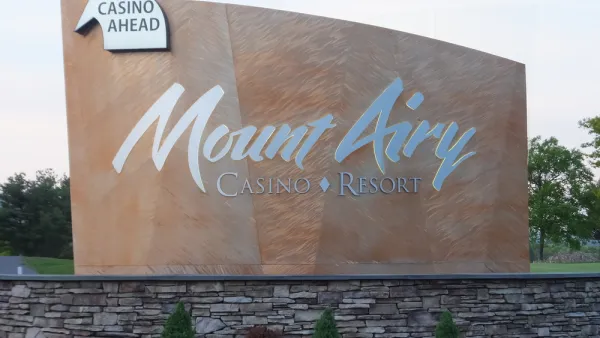
Pennsylvania's Gambling Expansion Proving Unpopular at the Local Level
The state thought more casinos would be a good way to raise some revenue for the state. So far a lot of local governments want no part of that action.

Madrid to Build Mega Casino, Betting on New Jobs and Tourist Dollars
Spain's capital may build a huge casino, but many fear that the facility will flounder in the way similar mega-projects have in the past.
Why Cities Should Think Twice Before Rolling the Dice on Gambling
Seen as a source of economic development and easy money for cities (struggling or not) throughout North America, casino projects are neither a revenue panacea nor the win-win "economic bullet" that supporters claim, argues Richard Florida.

Planetizen Federal Action Tracker
A weekly monitor of how Trump’s orders and actions are impacting planners and planning in America.

Washington state to charge fee to drivers with fuel-efficient cars
Revenue from the fee will go towards supporting the state’s highways.

Illinois considers spending $1 billion in taxpayer money on data center
A quantum computing campus and data center are currently under construction in Chicago.

Did data centers change how voters cast their ballots?
Texas, Ohio, and Georgia all flipped party control. But in rural counties, the effect of local data centers was mixed.

Amtrak invests in eight new Airo trainsets
The new trainsets will begin serving passengers in 2031.

HUD to end aid for mixed-immigration-status households
The new rule is projected to impact 80,000 people, nearly half of whom are children.

FREE Course: Walkable City 1: Why Walkability?
After describing his path towards focusing on walkability as the essence of good planning, Jeff Speck marches through his five principal reasons for making more walkable places.
Reinventing Malls: Planning Alchemy—Turning Gray Fields Into Gold
The course focuses on the opportunities and imperatives that shape reinvention of mall sites.

City of Charlotte
City of Rosemead
Rutgers University, Edward J. Bloustein School of Planning and Public Policy
University of Michigan School for Environment and Sustainability (SEAS)
Hunter College, City University of New York (CUNY)
The Architects Foundation
University District Partnership