Tao Rugkhapan reports on the etiology traffic accidents which are becoming all to common in Bangkok as vehicle speeds increase along with lane tolerances and the number of elevated expressways.


Rugkhapan believes that the over reliance on roads and expressways for transport infrastructure development is a kind of formal cause for the increasing vehicular accidents and consequent deaths.
So long as the emphasis on roads as simply "a linear traffic conduit devoted to vehicular movement," which is often touted in the imagery of 'freedom,' 'speed,' or'‘sleekness,' remains so will speed as a built-in risk of every road – a logic that is not only natural but inalienable so much so that 'road safety,' is a near-oxymoron.
Read the full story: What Underlies A Road Accident: A Story From Bangkok
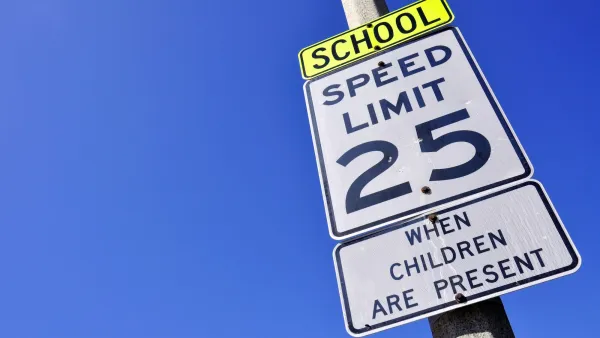
Honolulu lowers speed limits near schools — but doesn't change the signs
A year and a half after changing the legal speed limit in school zones, the city has yet to update street signs — meaning police can't cite speeders.
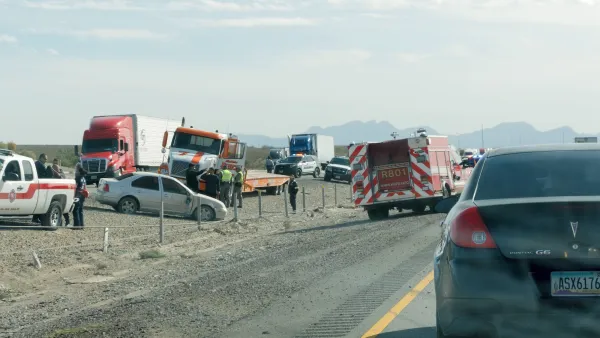
Texas AI study links disparate data sets to identify dangerous road segments
A new study combines multiple data sources to assess roadway risks.
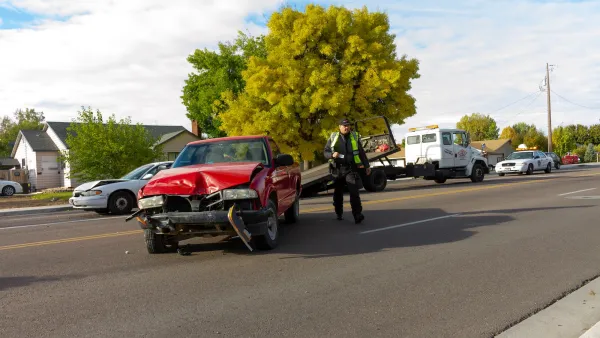
Video: Why are US roads so dangerous?
The CityNerd YouTube channel highlights key statistics from the 2026 Dangerous by Design report.

Planetizen Federal Action Tracker
A weekly monitor of how Trump’s orders and actions are impacting planners and planning in America.

Eastern Nebraska is running out of electricity
Data centers and electrification are straining eastern Nebraska’s grid, throttling economic development.

Study reveals best places in the U.S. for cycling, walking
New research from Streetlight Data examines bicycle and pedestrian miles per capita in the 100 largest U.S. cities by population.

Federal government nominates new FTA administrator
Mark Aesch is currently the founder and CEO of a transportation management consulting firm.

Developers reveal $10 billion stadium plan as ‘Hail Mary’ to keep Bears in Chicago
The plan would also boast a public park, high- and mid-rise buildings and a youth sports complex.

As Texas embraces carbon storage, a Black community questions the risks
Texas now issues permits for companies to store carbon dioxide underground. East Texas residents fear safety risks, and skeptics doubt the climate benefits.

FREE Course: Walkable City 1: Why Walkability?
After describing his path towards focusing on walkability as the essence of good planning, Jeff Speck marches through his five principal reasons for making more walkable places.
Reinventing Malls: Planning Alchemy—Turning Gray Fields Into Gold
The course focuses on the opportunities and imperatives that shape reinvention of mall sites.

City of Charlotte
City of Rosemead
Rutgers University, Edward J. Bloustein School of Planning and Public Policy
University of Michigan School for Environment and Sustainability (SEAS)
Hunter College, City University of New York (CUNY)
The Architects Foundation
City of Cambridge
The Pocatello Development Authority
The Urban Renewal Agency of the City of Pocatello