Bjorn Lomburg argues that cities should not despair over rising sea levels climate change. Instead, they should adapt.


Lomburg notes that places from Japan to the Netherlands around the world have combated dramatic rises in sea levels for centuries. Solutions need not be expensive, he says. Building dikes to keep water at bay and painting white roofs and planting street trees to cool our cities are "low-cost, high-impact" strategies.
Lomberg says long-term strategies are needed as well, but short-term adaptive measures will buy time to study the problem further.
He writes:
"Humankind is not completely at the mercy of nature. To the contrary, when it comes to dealing with the impact of climate change, we've compiled a pretty impressive track record. While this doesn't mean we can afford to ignore climate change, it provides a powerful reason not to panic about it either."
Read the full story: How to live with climate change

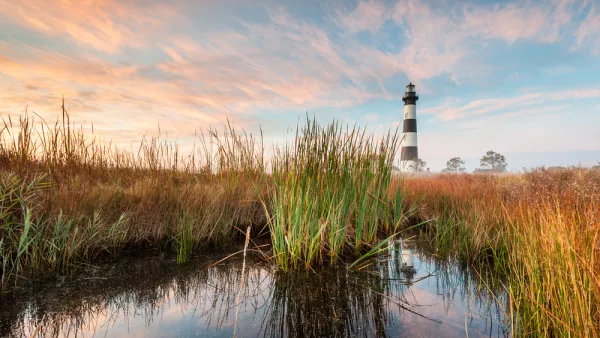
Living Shorelines for Storm and Flood Protection
More coastal cities and communities are turning to the "soft" solutions of living shorelines—relying on "a combination of oyster reefs, oyster shells, rocks, marsh plants, and other natural materials can be an effective alternative to seawalls."
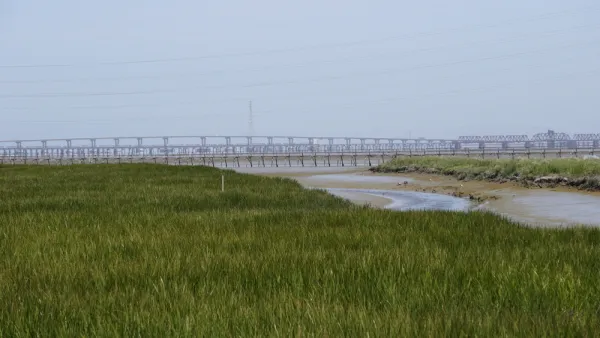
A New Plan for Sea Level Rise in the San Francisco Bay Area
The San Francisco Bay has 400 miles of shoreline, and a dire need for a new approach to dealing with the effects of rising water levels. An estimated $100 billion in potential property damage is at risk.

Climate Negligence in Florida?
In advance of Hurricane Irma's landfall in Florida, Governor Rick Scott worked non-stop urging residents to leave mandatory evacuation zones. But what has he done to prepare since he took office in 2011?

Planetizen Federal Action Tracker
A weekly monitor of how Trump’s orders and actions are impacting planners and planning in America.

‘Going backwards:’ Baltimore mayor, students rally against state's transit funding plan
Maryland's proposed six-year plan provides no funding for Baltimore’s BMORE bus program and reduces its road maintenance funding.

Detroit to transform waterfront with $2.2 billion investment
Developers will convert about 18 acres of unused parking lot space into civic spaces.

Guerilla urbanists’ DIY benches joined by sanctioned seats in Chicago
The group behind the original homemade benches said they will continue installing them across bench-less bus stops in Chicago.

Boston spent $765 million to lease battery-powered trains
The trains will serve Boston’s Fairmount Line for fifteen years.

NYC may expand key reservoir after devastating drought
The aqueduct that carries water from the reservoir to New York City has been leaking 35 million gallons of water per day since the 1990s.

FREE Course: Walkable City 1: Why Walkability?
After describing his path towards focusing on walkability as the essence of good planning, Jeff Speck marches through his five principal reasons for making more walkable places.
Reinventing Malls: Planning Alchemy—Turning Gray Fields Into Gold
The course focuses on the opportunities and imperatives that shape reinvention of mall sites.

One Hundred Miles
County of Mendocino
planning NEXT
The Architects Foundation
University of Cincinnati Online
Montrose County
Northern Illinois Transit Authority (NITA)
The Pocatello Development Authority