To help pay for transportation needs, a Kansas City suburb approved a "driveway" tax based on the amount of traffic a property is expected to generate.


The city council in Mission, Kansas, a Kansas City suburb, "voted 7-1 to start charging fees based on how much traffic properties produce instead of relying heavily on unstable property and sales taxes....
"City officials and some local experts believe the fee would be the first in Kansas as well as the entire Midwest.
"The new fee is intended to affect properties that produce the most traffic and put the most stress on roads. It affects roughly 5,650 developed or developable properties."
Thanks to Heidi Schallberg
Read the full story: Mission City Council approves groundbreaking ‘driveway’ tax
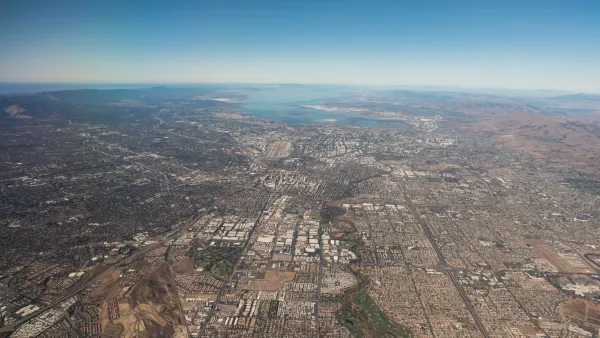
Silicon Valley Isn't Really Over
Though a handful of recent articles predicted "peak Silicon Valley," new numbers show the region is still producing lots of good jobs and attracting plenty of venture capital.
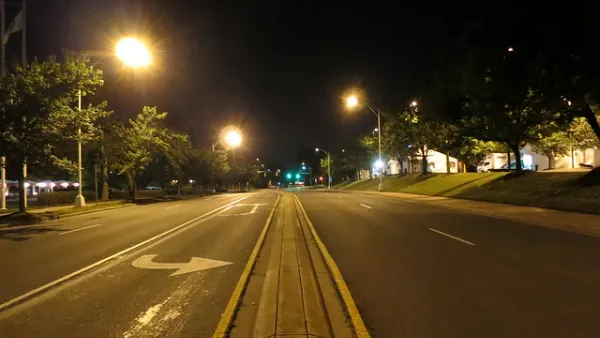
Study: Bad Arterials Poison Good Residential Streets
It's something we feel intuitively: poorly-designed arterial roads make for less comfortable neighborhoods. That remains the case even if the adjoining residential streets are quiet and safe.
Charlotte Confronts Big Asphalt
For the Charlotte Observer, Ely Portillo reports on a forum calling for urbanist reforms and doubts whether auto-loving residents will be receptive.

Planetizen Federal Action Tracker
A weekly monitor of how Trump’s orders and actions are impacting planners and planning in America.

Eastern Nebraska is running out of electricity
Data centers and electrification are straining eastern Nebraska’s grid, throttling economic development.

Washington state to charge fee to drivers with fuel-efficient cars
Revenue from the fee will go towards supporting the state’s highways.

Instead of building new housing, LA developers are turning mansions into mega-mansions
In the richest areas, the number of houses valued at $30 million with demolition permits has skyrocketed since 2018.

Illinois considers spending $1 billion in taxpayer money on data center
A quantum computing campus and data center are currently under construction in Chicago.

As development costs rise, Boston moves to lessen affordable housing requirements
The Boston Zoning Commission and the City Council still need to approve Boston Mayor Michelle Wu’s proposed changes

FREE Course: Walkable City 1: Why Walkability?
After describing his path towards focusing on walkability as the essence of good planning, Jeff Speck marches through his five principal reasons for making more walkable places.
Reinventing Malls: Planning Alchemy—Turning Gray Fields Into Gold
The course focuses on the opportunities and imperatives that shape reinvention of mall sites.

City of Charlotte
City of Rosemead
Rutgers University, Edward J. Bloustein School of Planning and Public Policy
University of Michigan School for Environment and Sustainability (SEAS)
Hunter College, City University of New York (CUNY)
The Architects Foundation
University District Partnership
City of Cambridge
The Pocatello Development Authority