The 150-year-old Staten Island Railway is one of the NYC Transit Authority's little known gems. There's no charge if you travel between any of the 20 intermediary stations. It serves the St. George Ferry Terminal for the ferry trip to Manhattan.


It travels the breadth of New York City's most suburban, least populous yet fastest growing borough, providing a vital connection to the Staten Island Ferry. It has a long and storied history, yet many know very little about it.
"A poster from the seven-and-a-half-mile-long rail line's opening day in 1860 boasted three daily trains between "Vanderbilt Landing," now Clifton, and Eltingville.
On July 1, 1971, New York City acquired the line from the Baltimore & Ohio Railroad, and the Staten Island Rapid Transit Operating Authority commenced operation for the city under a lease agreement. The name was changed to the Staten Island Railway in 1994.
Today's Railway runs for 14 miles and includes 22 stations. It now serves about 25,000 passengers each day."
For information on the railway, or SIR by its abbreviation, see its webpage on the Metropolitan Transportation Authority website.
Thanks to Streetsblog
Read the full story: Railway marking 150 years

Nation's Most Expensive Bridge Crossing Turns 50
Perhaps known more for high tolls than beauty, the Verrazano Narrows bridge turned 50 on November 21. Staten Islanders expected the high tolls to end when the bridge was paid for.

NYC needs 700,000 new homes to resolve housing crisis, report states
The report gave every neighborhood a non-binding development target.
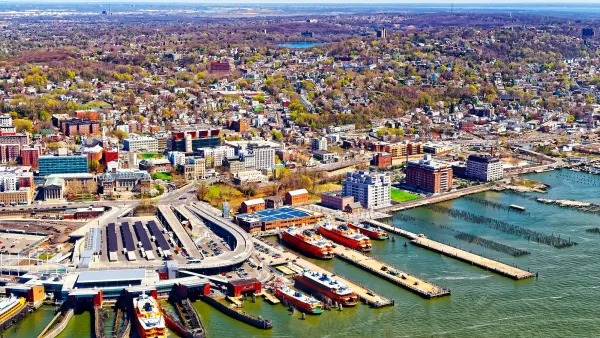
Staten Island Resists ‘City of Yes’ Zoning Reforms
One year after New York City approved major zoning changes, some residents continue to fight increased density.

Planetizen Federal Action Tracker
A weekly monitor of how Trump’s orders and actions are impacting planners and planning in America.

The state-sanctioned urbicide of Austin
People don’t kill cities. Freeways do.

Colorado’s Largest Data Center Could Rise Next to Homes — Without a Public Hearing
The proposed campus would consume 11 times the power of Denver International Airport; as it has across the country, opposition mounts.

Judges permit Denver to divert 77,000 acre feet from the Colorado River for reservoir expansion
Overuse and climate change have caused the Colorado River’s water levels to plummet.
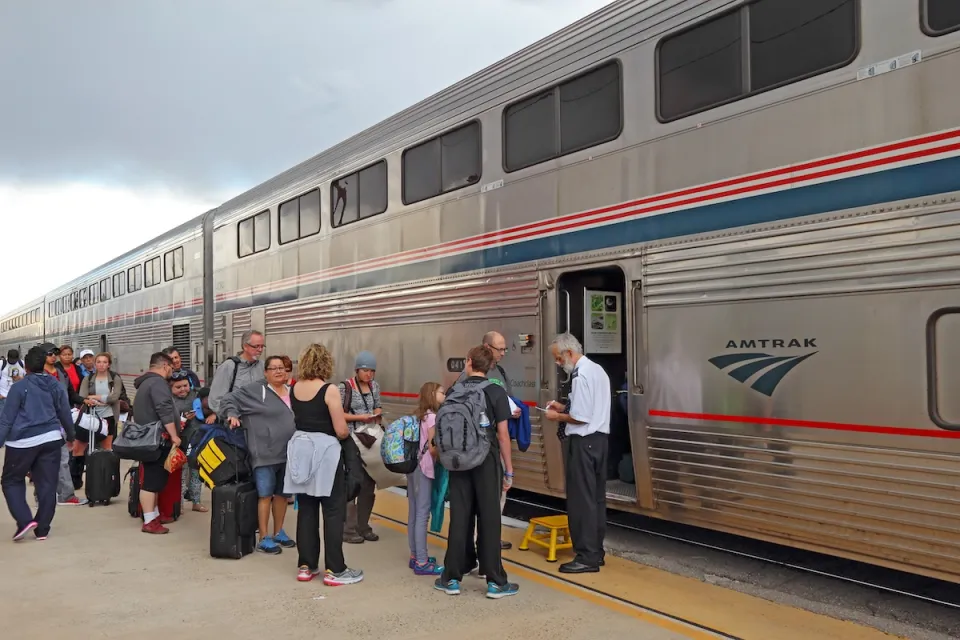
Amtrak, CN end decades-long dispute with eight-year agreement
The new operating agreement establishes an updated framework for the companies to work together, including processes to resolve disputes.

Raised interest rates may kill financially vulnerable construction projects
The chief economist at ConstructConnect warns that if construction project owners are negatively impacted by the raised rates, it could result in delayed payments to contractors.

FREE Course: Walkable City 1: Why Walkability?
After describing his path towards focusing on walkability as the essence of good planning, Jeff Speck marches through his five principal reasons for making more walkable places.
Reinventing Malls: Planning Alchemy—Turning Gray Fields Into Gold
The course focuses on the opportunities and imperatives that shape reinvention of mall sites.

Greater Baltimore Committee
Eagle County Government
Harvard University Graduate School of Design
The Architects Foundation
University of Cincinnati Online
The Pocatello Development Authority
The Urban Renewal Agency of the City of Pocatello
Journal of the American Planning Association