Kids make up a big part of city populations. But often the built environment doesn't reflect a world planned with children in mind. This post from Polis looks at an effort to put children's needs back in the minds of planners.


The project is called the City of Children, and it's intended to remind city officials that kids are a part of the population and that planning with them in mind will help to make better adults.
"As its main objectives, the project seeks autonomy, participation, safety and mobility for children in the city, to make it possible for them to leave their home without being accompanied by an adult so that they can meet friends and play in public spaces of the city: from courtyards to sidewalks, from public squares to parks. Through children's proposals and ideas, participation in decision-making and realisation of their projects, the project aims at building a children's culture in the minds of adults and especially in administrators so that they know how to make their decisions, having interiorised children's thoughts and needs."
Read the full story: Cities for Children?


Family-Friendly Downtown Living
What helps make a downtown family friendly? Safe places to play, safe streets, good schools and attainable housing, writes Jennifer Hill.
Planning for Kids Makes Cities Better for All
While some cities have focused planning efforts on making their public spaces more accessible for the elderly, some argue that the age group they should be focusing on is kids.
Cities Too Dangerous for Kids? Maybe Not
Cities are commonly thought of as dangerous places for kids to grow up. But a new study challenges that perception.

Planetizen Federal Action Tracker
A weekly monitor of how Trump’s orders and actions are impacting planners and planning in America.
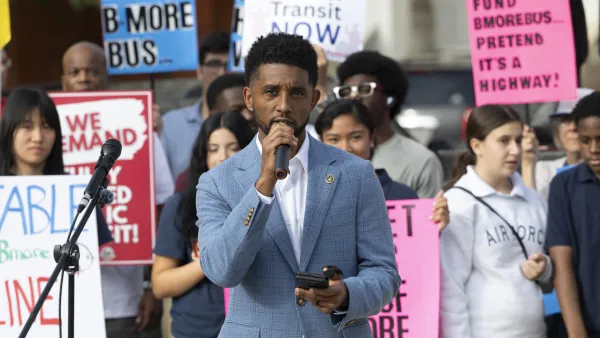
‘Going backwards:’ Baltimore mayor, students rally against state's transit funding plan
Maryland's proposed six-year plan provides no funding for Baltimore’s BMORE bus program and reduces its road maintenance funding.
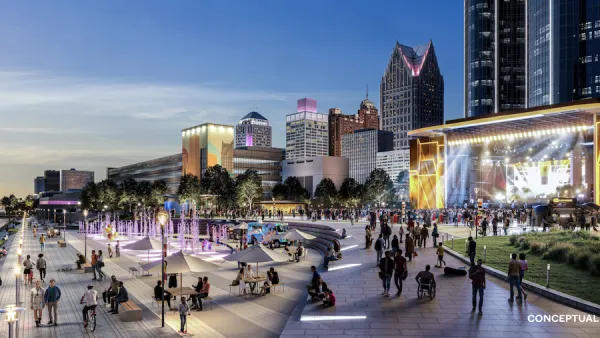
Detroit to transform waterfront with $2.2 billion investment
Developers will convert about 18 acres of unused parking lot space into civic spaces.

HUD, USDA agree on framework to simplify housing environmental review standards
Their agreement is a requirement of the 21st Century ROAD to Housing Act.

Cost of water rising at a faster pace than inflation, median household income
California and Maryland residents have seen their water bills grow especially high.

NYC building owners overwhelmingly comply with new emissions limits
The New York City Department of Buildings is fining owners who did not file emissions reports.

FREE Course: Walkable City 1: Why Walkability?
After describing his path towards focusing on walkability as the essence of good planning, Jeff Speck marches through his five principal reasons for making more walkable places.
Reinventing Malls: Planning Alchemy—Turning Gray Fields Into Gold
The course focuses on the opportunities and imperatives that shape reinvention of mall sites.

planning NEXT
City of Thousand Oaks
City of Wisconsin Rapids
The Architects Foundation
University of Cincinnati Online
Northern Illinois Transit Authority (NITA)
The Pocatello Development Authority
The Urban Renewal Agency of the City of Pocatello