This post from The Nature Conservancy examines the impact of urbanization on nature and finds that our rising food needs will be one of the most important implications.


"The ecological implications of an increasingly urban world are in an important sense different than the demographic or metaphorical implications. In a world where humanity is overwhelmingly urban, our population dynamics or our cultural evolution will be mostly disconnected with what is happening in rural parts of the world. However, an urban world is still intensely linked with rural areas ecologically - we all need food."
Making sure we're able to provide enough food and farmable land means focusing efforts on improving agricultural efficiency, according to author Rob McDonald.
Read the full story: The Great Urbanization and What it Means for Nature: Part 3
Feeding the World in 2050
Growing populations and diminishing land will make feeding people a challenge in the near future. This piece from Popular Science looks at eight strategies to keep the world fed.
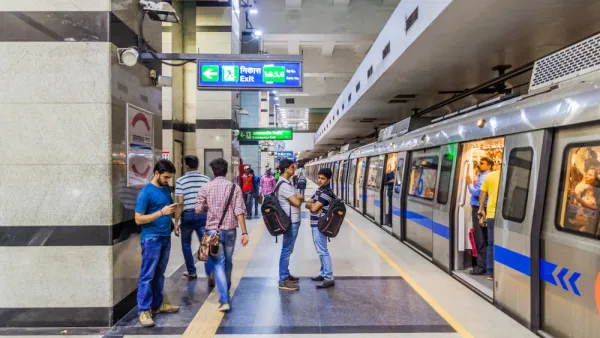
The Fastest Growing Cities in the World
None of the fastest growing cities in the world are found in North or South America.
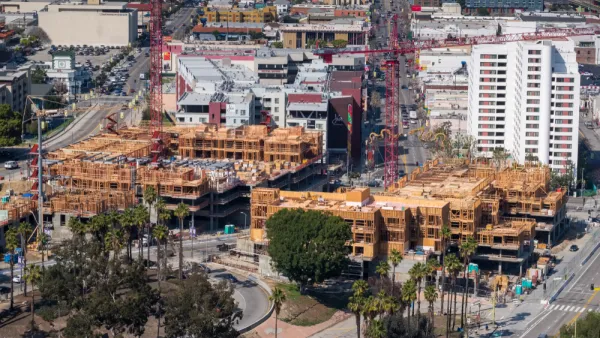
Census Data Reveal Increasing Density in the U.S.—Reversing a Two-Decade Trend
The New York Times is calling 2010 to 2020 the "Downtown Decade."

Planetizen Federal Action Tracker
A weekly monitor of how Trump’s orders and actions are impacting planners and planning in America.

Eastern Nebraska is running out of electricity
Data centers and electrification are straining eastern Nebraska’s grid, throttling economic development.

Move over, LA: St. Louis gears up for Olympics, invests millions in downtown redevelopment
The Missouri city will host the 2028 Olympic soccer group stage and knockout matches.

Dallas releases zoning code overhaul to officials
The drafted overhaul is over 400 pages long.

NYC renovations for dangerous, ‘mercilessly crammed’ street delayed until 2027
Construction was supposed to begin this fall.

San Diego’s Midway Rising project gets greenlight from city council
The project looks to become the largest affordable housing development in California's history.

FREE Course: Walkable City 1: Why Walkability?
After describing his path towards focusing on walkability as the essence of good planning, Jeff Speck marches through his five principal reasons for making more walkable places.
Reinventing Malls: Planning Alchemy—Turning Gray Fields Into Gold
The course focuses on the opportunities and imperatives that shape reinvention of mall sites.

City of Rosemead
Rutgers University, Edward J. Bloustein School of Planning and Public Policy
One Hundred Miles
University of Michigan School for Environment and Sustainability (SEAS)
Hunter College, City University of New York (CUNY)
The Architects Foundation
City of Cambridge
The Pocatello Development Authority
The Urban Renewal Agency of the City of Pocatello