Barring that, he has some eight proposals for the transportation reauthorization bill, including eliminating long-range transportation planning and clean air mandates.


O'Toole writes, "Urban mass transit is the most disappointing performer and least-productive part of the nation's transportation system. Since 1964, when Congress first passed the Urban Mass Transportation Act, transit costs have risen far faster than either revenues or ridership. This signals a tremendous decline in productivity.
"It's uncommon to find such a rapid productivity decline in any industry," wrote University of California economist Charles Lave in 1994. "If transit productivity had merely remained constant since 1964," Lave wrote, "total operating costs would be more than 40 percent lower" in 1985, the last year for which he had data. By 2006, after adjusting for inflation, operating costs per trip were 2.3 times as much as they were in 1964, while average fares had fallen by 24 percent from 1964.43 All of this additional cost came out of taxpayers' pockets."
Read the full story: Getting What You Paid For -- Paying For What You Get: Proposals for the Next Transportation Reauthorization

Analysis: What does America want from surface transportation reauthorization?
Over 13,000 comments were submitted in the federal Request for Information on surface transportation reauthorization. We analyzed all of them.
Follow Planetizen’s analysis of surface transportation reauthorization
Follow along as we explore the upcoming surface transportation reauthorization bill and its potential impacts on US transportation infrastructure in the coming years.
Restoring Solvency to the Highway Trust Fund
The Highway Trust Fund, the nation's source of road and bridge funding, went bankrupt in 2008 and has since relied on transfers from the General Fund to supplement fuel taxes. Republican Senators have proposed a new funding source: an EV fee.

Planetizen Federal Action Tracker
A weekly monitor of how Trump’s orders and actions are impacting planners and planning in America.
Colorado’s Largest Data Center Could Rise Next to Homes — Without a Public Hearing
The proposed campus would consume 11 times the power of Denver International Airport; as it has across the country, opposition mounts.

US to reduce Colorado River water deliveries to Mexico
A new Colorado Treaty amendment reduces Mexico’s Colorado River water allocation by 250,000 acre feet.

'This is going to be painful:’ Virginia stares down $1.7 billion funding gap for highway maintenance
The state may address the deficit by shifting $290 million from its construction budget to maintenance projects.
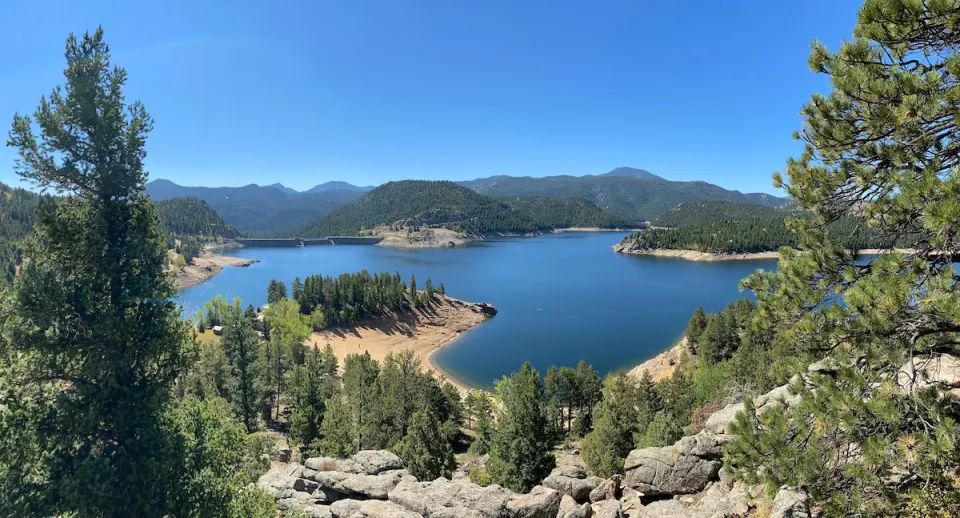
Judges permit Denver to divert 77,000 acre feet from the Colorado River for reservoir expansion
Overuse and climate change have caused the Colorado River’s water levels to plummet.
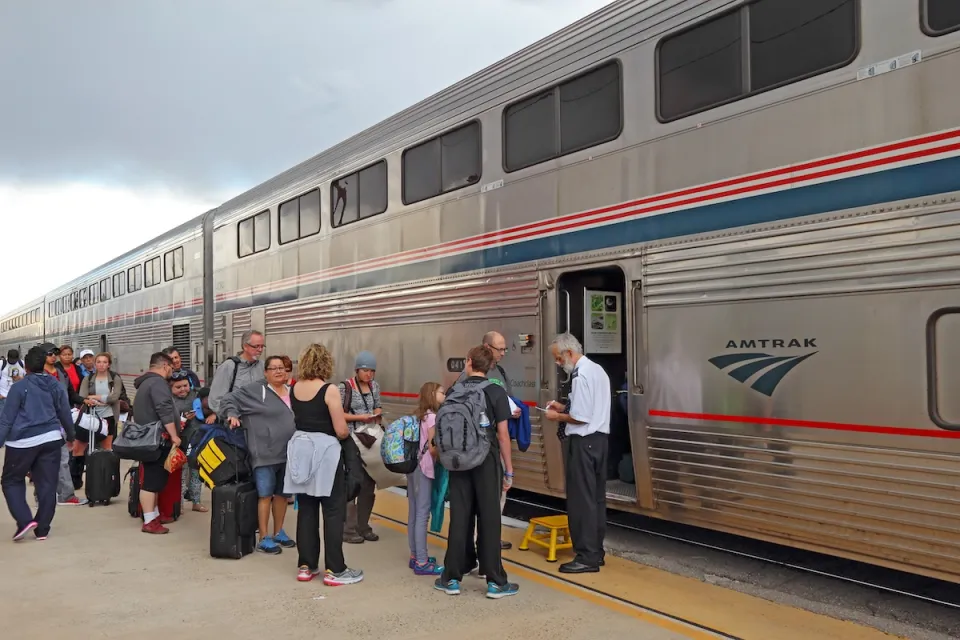
Amtrak, CN end decades-long dispute with eight-year agreement
The new operating agreement establishes an updated framework for the companies to work together, including processes to resolve disputes.

FREE Course: Walkable City 1: Why Walkability?
After describing his path towards focusing on walkability as the essence of good planning, Jeff Speck marches through his five principal reasons for making more walkable places.
Reinventing Malls: Planning Alchemy—Turning Gray Fields Into Gold
The course focuses on the opportunities and imperatives that shape reinvention of mall sites.

KFH Group Inc.
Greater Baltimore Committee
Eagle County Government
The Architects Foundation
University of Cincinnati Online
The Pocatello Development Authority
The Urban Renewal Agency of the City of Pocatello