Paris' bike sharing program is well-known, but not alone - these programs are flourishing throughout Europe. The key to their proliferation lies in the new technology they utilize. This article highlights the 'third-generation' Barcelona program.


"The expanding program in Barcelona is typical of so-called third-generation programs, which rely heavily on technology. (In its first generation, bike-sharing involved scattering old bikes around the streets, where they could be used for free; second-generation programs accepted coins.)
Here in Barcelona, streets during rush hour are lined with commuters and errand-goers on the bright red bicycles of Bicing, the city's program, which began 18 months ago. Bicing offers 6,000 bicycles from 375 stands, which are scattered every few blocks; the bikes seem to be in constant motion."
"Car owners complain about the removal of parking spots to accommodate new bike lanes; the city has about 80 miles of lanes, after rapidly expanding the lanes in the past two years.
Officials in Lyon, one of the first cities to institute a large technology-driven bike program, estimate that bike-sharing has eliminated tons of pollutants since its inception in 2005. But more than that, they say, it has changed the face of the city."
'The critical mass of bikes on the road has pacified traffic,' said Gilles Vesco, vice mayor in charge of the program in Lyon. "Now, the street belongs to everybody and needs to be better shared. It has become a more convivial public space."
Read the full story: European Support for Bicycles Promotes Sharing of the Wheels

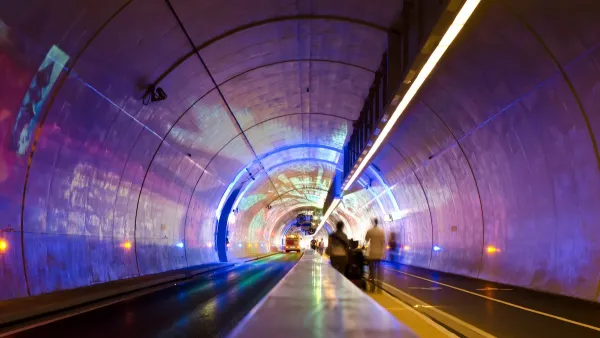
The French Solution to Congested Tunnels: Make Them Car-Free
Bay Area transportation officials keep expanding car capacity. Lyon’s Croix Rousse Tunnel offers a different way.

Barcelona Buys Building to Prevent Tenant Evictions
One apartment building — and its tenants who faced eviction — became a potent symbol of the city’s growing housing crisis.

Barcelona to Phase out All Short-Term Rentals
The city plans to stop issuing new or renewal licenses by 2029.

Amtrak, CN end decades-long dispute with eight-year agreement
The new operating agreement establishes an updated framework for the companies to work together, including processes to resolve disputes.

Judges permit Denver to divert 77,000 acre feet from the Colorado River for reservoir expansion
Overuse and climate change have caused the Colorado River’s water levels to plummet.
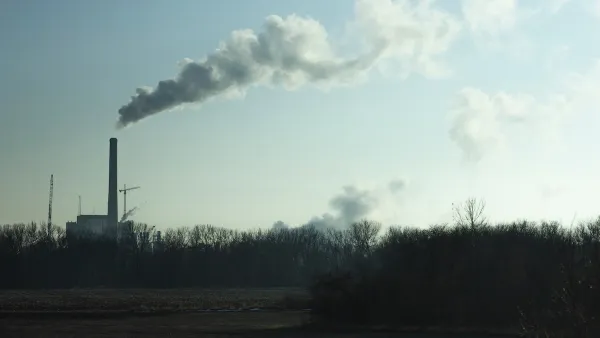
Nation's most wind-powered state turns to coal as data centers increase energy demand
For the first time in decades, Iowa has increased its generation of coal power.

Boston has spent millions making the Green Line more accessible — and there’s no end in sight
While the city has invested millions into expanding and adding platforms to the Green Line to make it more accessible, new train cars set to arrive next year will be too tall for disabled passengers to board without raising the current platforms.

Idaho may see an 18% drop in federal surface transit funding — the largest estimated cut in the US
Transit systems in rural communities are much more reliant on federal funding to provide their services.

How ‘post-disaster gentrification’ alters neighborhoods after natural calamities
After hurricanes, fires or other calamities, the original residents of a community are often replaced by younger, wealthier residents.

FREE Course: Walkable City 1: Why Walkability?
After describing his path towards focusing on walkability as the essence of good planning, Jeff Speck marches through his five principal reasons for making more walkable places.
Reinventing Malls: Planning Alchemy—Turning Gray Fields Into Gold
The course focuses on the opportunities and imperatives that shape reinvention of mall sites.

City of Wisconsin Rapids
Harvard University Graduate School of Design
KFH Group Inc.
The Architects Foundation
University of Cincinnati Online
The Pocatello Development Authority
The Urban Renewal Agency of the City of Pocatello