San Francisco's Municipal Railway transit system will see incremental but major changes in the next five years.


"Once implemented, Muni officials believe, the changes would boost daily ridership by at least 70,000, moving San Francisco closer to its vision of a "transit-first" city in which the need for private automobiles is diminished.
The plan, known officially as the Transit Effectiveness Project, won the unanimous backing of the Municipal Transportation Agency's governing board on Tuesday. Next, the proposal will undergo environmental reviews. The Board of Supervisors has the opportunity to review the plan as part of its budget deliberations next summer. The board need not vote on the plan, but it has the authority to reject it entirely.
More adjustments to the plan are expected. The earliest the changes could go into effect would be in July, the start of the new fiscal year. Muni officials say the route adjustments would be rolled out over five years."
Read the full story: Muni on track for major route, service overhaul

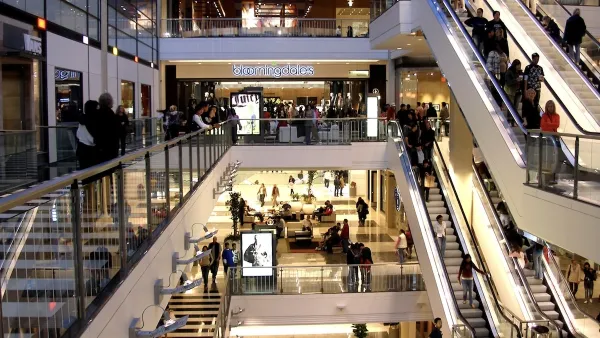
SF weighs putting data center inside abandoned mall
An unnamed technology company may buy the entire building, and convert one-third of it into what development consultants are calling a “regenerative urban energy center.”
SF residents can no longer use potential shadows to block housing developments
The SHADE act also halves the allotted time for certain appeals before projects can progress.
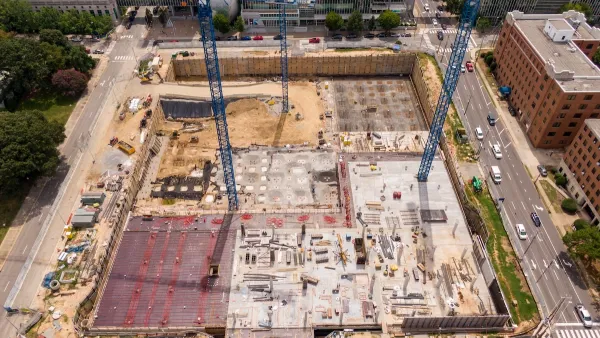
Novel study finds extreme state-by-state disparity in housing construction timelines
The first comprehensive working paper on U.S. construction timelines also found that the permitting process for multi-family projects has slowed nationwide.

Planetizen Federal Action Tracker
A weekly monitor of how Trump’s orders and actions are impacting planners and planning in America.

Chicago breaks ground on $3 billion megadevelopment
The new neighborhood, titled Foundry Park, will one day host 3,700 residences.

This MA town is drowning in its own sewage — and residents like it that way
Susan Murcott, a waste water expert, said if Carlisle didn't address their leaking sewage, the problem could turn “deadly.”

Feds to more closely scrutinize proposed Amtrak facility’s environmental impact
The Federal Railroad Administration had initially said the facility qualified for a less extensive environmental review.

Boston is hard to build housing in: its chief of planning wants to keep it that way
Chief of Planning Kairos Shen said she would not make changes to Boston’s affordability requirements for new housing, which critics say have slowed down development.

California plans to bury El Niño’s downpour
If the state plays its cards right, it may be able to store a billion acre-feet of El Niño’s water in aquifers.

FREE Course: Walkable City 1: Why Walkability?
After describing his path towards focusing on walkability as the essence of good planning, Jeff Speck marches through his five principal reasons for making more walkable places.
Reinventing Malls: Planning Alchemy—Turning Gray Fields Into Gold
The course focuses on the opportunities and imperatives that shape reinvention of mall sites.

City of Rosemead
Rutgers University, Edward J. Bloustein School of Planning and Public Policy
One Hundred Miles
Hunter College, City University of New York (CUNY)
The Architects Foundation
University of Cincinnati Online
Montrose County
The Pocatello Development Authority
The Urban Renewal Agency of the City of Pocatello