As Beijing undergoes rapid redevelopment, many historic buildings have been lost in the scramble. Now the few that remain are inspiring a flood of gentrification.


"The explosion of construction activity that has transformed Beijing into a modern metropolis over the past decade also turned many of its historical neighborhoods - known for their narrow alleyways, or hutongs - into rubble. As grass-roots preservationists began sounding the alarm, the aging wood frames and tile roofs of the ancient courtyard houses that give these neighborhoods their identity were being supplanted so quickly by mighty towers that it was hard to pinpoint where they once stood."
"Now, as they labor to protect what remains, Chinese preservationists are facing a new, equally insidious threat: gentrification. The few ancient courtyard houses that survived destruction have become coveted status symbols for the country's growing upper class and for wealthy foreign investors. As more and more money is poured into elaborate renovations, the phenomenon is not only draining these neighborhoods of their character but also threatening to erase an entire way of life."
Thanks to ArchNewsNow
Read the full story: Lost in the New Beijing: The Old Neighborhood
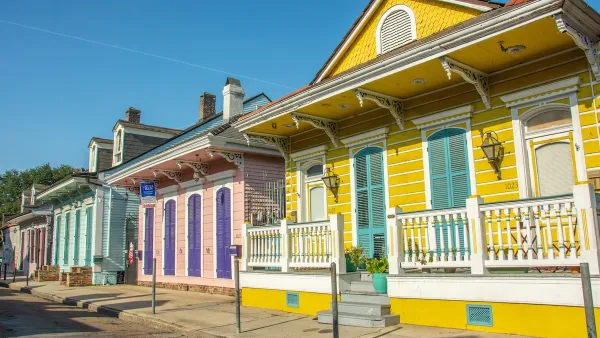
20 Years After Katrina, New Orleans is More Unaffordable Than Ever
The city’s post-hurricane redevelopment has failed to include its most vulnerable residents.

A Bronx Community Fights to Have its Voice Heard
After organizing and giving input for decades, the community around the Kingsbridge Armory might actually see it redeveloped — and they want to continue to have a say in how it goes.

Placemaking in the Barrio: Conceptualizing Infill Development in Disenfranchised Communities
How one San Antonio neighborhood could approach sustainable revitalization while supporting the existing community and drawing on its rich and diverse history and cultural resources.

Planetizen Federal Action Tracker
A weekly monitor of how Trump’s orders and actions are impacting planners and planning in America.

Eastern Nebraska is running out of electricity
Data centers and electrification are straining eastern Nebraska’s grid, throttling economic development.

Study reveals best places in the U.S. for cycling, walking
New research from Streetlight Data examines bicycle and pedestrian miles per capita in the 100 largest U.S. cities by population.

Federal government nominates new FTA administrator
Mark Aesch is currently the founder and CEO of a transportation management consulting firm.

Developers reveal $10 billion stadium plan as ‘Hail Mary’ to keep Bears in Chicago
The plan would also boast a public park, high- and mid-rise buildings and a youth sports complex.

As Texas embraces carbon storage, a Black community questions the risks
Texas now issues permits for companies to store carbon dioxide underground. East Texas residents fear safety risks, and skeptics doubt the climate benefits.

FREE Course: Walkable City 1: Why Walkability?
After describing his path towards focusing on walkability as the essence of good planning, Jeff Speck marches through his five principal reasons for making more walkable places.
Reinventing Malls: Planning Alchemy—Turning Gray Fields Into Gold
The course focuses on the opportunities and imperatives that shape reinvention of mall sites.

City of Rosemead
Rutgers University, Edward J. Bloustein School of Planning and Public Policy
One Hundred Miles
University of Michigan School for Environment and Sustainability (SEAS)
Hunter College, City University of New York (CUNY)
The Architects Foundation
City of Cambridge
The Pocatello Development Authority
The Urban Renewal Agency of the City of Pocatello