Eco-tourism in North Dakota? It's more likely than you may think, as conservationists, travel agents, and big landowners turn the dwindling population of the Great Plains into an asset.


"Over the past decade, as human populations on the Great Plains have thinned, many conservationists have seen an opportunity unparalleled since the frontier days of the 19th century brought towns to the region.
Outdoors people, big landowners, travel operators and conservationists are now returning much of the Great Plains to its wild state, to a kind of American steppe. Conservationists are reviving native fauna and flora, and wolf populations are returning to the Yellowstone area. In the future, many hope, one giant fenceless region might be created across the entire plains that cover much of central North America east of the Rockies south to West Texas and New Mexico.
The idea of rewilding the West takes its inspiration from two professors, Frank and Deborah Popper. In an essay written two decades ago in the journal Planning, they suggested restoring the Upper Midwest to its native state, which they called the Buffalo Commons, and largely replacing agriculture in the region with eco-tourism.
While many Western conservationists do not agree with elements of the Buffalo Commons, preservation efforts have taken off. The American Prairie Foundation, a group dedicated to creating prairie wildlife reserves, has been buying up land in Montana and reintroducing wild American bison, which had largely vanished in the region.
FULL STORY: Back to Nature and Ready for Guests in the Great Plains

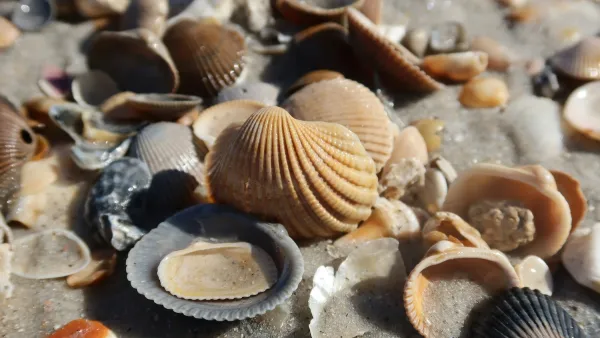
Creating Ocean-Safe Plastic from Seashells
USC researchers have created a biodegradable, marine-safe plastic alternative using calcium carbonate from seashells, offering a promising solution to ocean pollution.
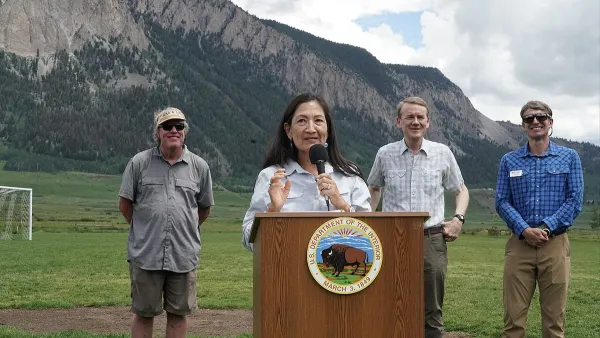
Commentary: Colorado Will Forge Ahead With Conservation Work
While federal policy may become less friendly to environmental efforts, support from state legislators and agencies can prevent the state from backsliding.
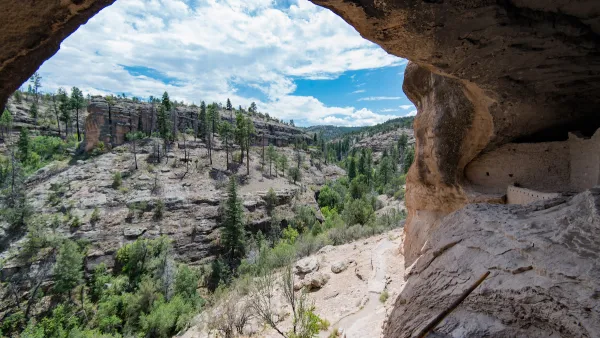
The Changing Nature of Wilderness
U.S. public lands management is undergoing a slow but significant shift.

Planetizen Federal Action Tracker
A weekly monitor of how Trump’s orders and actions are impacting planners and planning in America.

The state-sanctioned urbicide of Austin
People don’t kill cities. Freeways do.

US to reduce Colorado River water deliveries to Mexico
A new Colorado Treaty amendment reduces Mexico’s Colorado River water allocation by 250,000 acre feet.

5 New England states march closer to 800 megawatt wind energy project
Securing federal approval for the project may be complicated under the Trump administration, which has historically been hostile towards domestic wind power.

Baltimore to break ground on $50 million Transit Priority Project
The project will bring faster bus trips, safer streets and better bike connections to Baltimore.

Airbnb launches $250 million 'last-dollar financing' housing accelerator, makes first investment in Austin
The company will put $6.4 million towards affordable housing development in Texas’ capital.

FREE Course: Walkable City 1: Why Walkability?
After describing his path towards focusing on walkability as the essence of good planning, Jeff Speck marches through his five principal reasons for making more walkable places.
Reinventing Malls: Planning Alchemy—Turning Gray Fields Into Gold
The course focuses on the opportunities and imperatives that shape reinvention of mall sites.

Eagle County Government
Harvard University Graduate School of Design
Nashville Planning Department
The Architects Foundation
University of Cincinnati Online
The Pocatello Development Authority
The Urban Renewal Agency of the City of Pocatello
Journal of the American Planning Association