An internal government report questions why the Canadian federal government held back more than $70 million dollars from homelessness programs.


"More than $70-million in federal money earmarked for the homeless was never spent, despite an urgent need across the country, an internal study says."
"The draft report...found no satisfactory explanation for why government officials appeared to withhold available cash from Canada's soup kitchens and emergency shelters. The apparent shortfall occurred in the National Homelessness Initiative, a seven-year program begun in 1999 to respond to a perceived surge in the number of Canadians living on the streets."
"The just-released draft report, based on work in 2006, generally praises the program, saying it 'had substantial impacts on the daily lives of those in Canada who are homeless or at risk of homelessness. . . . They included youth, aboriginal people, people addressing mental health and addiction issues, new immigrants, single parents, and survivors of abuse or violence.'"
Read the full story: $70-million for homeless unspent, study says


Planetizen Federal Action Tracker
A weekly monitor of how Trump’s orders and actions are impacting planners and planning in America.

Data reveals that NYC’s bet on congestion pricing has paid off
After almost two years of the program, reports show positive impacts on traffic and air quality and no disruptions to parking.
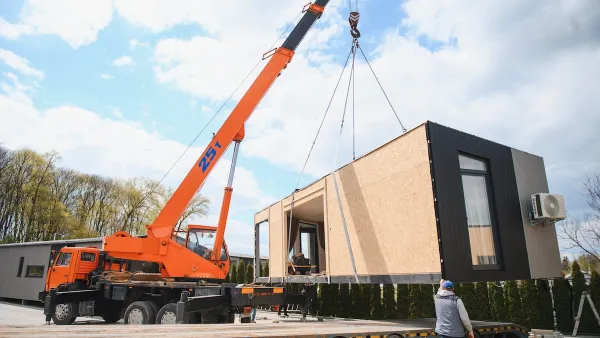
HUD modernizes 50-year-old manufactured housing framework
The Next Generation Manufactured Housing Action Plan establishes new energy-efficiency standards for manufactured homes, and new guidelines for anchoring them.

California voters weigh $11.25 billion housing bond
Prop. 1, combined with other funding, would support over 40,000 new rental units in California.

Connecticut is turning landfills into green infrastructure
Twenty-nine solar arrays have been built, or approved to be built, on top of Connecticut landfills.

Trump guts ‘win-win’ solar energy program for rural farmers
The U.S. Department of Agriculture’s changes have made virtually all solar power ineligible for funding through the Rural Energy for America Program.

FREE Course: Walkable City 1: Why Walkability?
After describing his path towards focusing on walkability as the essence of good planning, Jeff Speck marches through his five principal reasons for making more walkable places.
Reinventing Malls: Planning Alchemy—Turning Gray Fields Into Gold
The course focuses on the opportunities and imperatives that shape reinvention of mall sites.

One Hundred Miles
County of Mendocino
planning NEXT
The Architects Foundation
University of Cincinnati Online
Montrose County
Northern Illinois Transit Authority (NITA)
The Pocatello Development Authority