Even during times of budget constraint, continued investment in parks is critical, as they provide proven benefits to public health, safety, climate resilience, and community well-being — particularly for under-resourced communities.



Parks are far more than recreational amenities; they are essential public infrastructure that support health, safety, and community well-being. Despite this, they are often among the first services to face cuts during fiscal downturns. Research consistently shows that parks help prevent chronic disease, reduce crime, improve mental health, and foster social cohesion — outcomes that translate to significant cost savings and stronger communities. Programs like Los Angeles County’s Parks After Dark demonstrate how free, accessible recreation in underserved areas can lead to measurable health and safety benefits.
Parks also play a crucial role in climate resilience and environmental stewardship. With their cooling tree canopies, stormwater management functions, and capacity to improve air quality, parks serve as natural infrastructure helping communities adapt to climate change. Initiatives like the transformation of former brownfields into vibrant parks show how land restoration can provide environmental, social, and other benefits. These spaces also contribute to decarbonization efforts through native landscaping, renewable energy use, and promotion of active transportation.
Investing in parks yields high returns: for every dollar spent, up to four dollars in economic, environmental, and health benefits are generated. Moreover, equitable park investment advances racial justice and repairs long-standing disparities in access to green space. As communities face compounding crises — from climate stress to social fragmentation — parks emerge as a unifying and stabilizing force. The question is not whether we can afford to fund parks, but whether we can afford not to.
FULL STORY: Why We Must Keep Investing in Parks

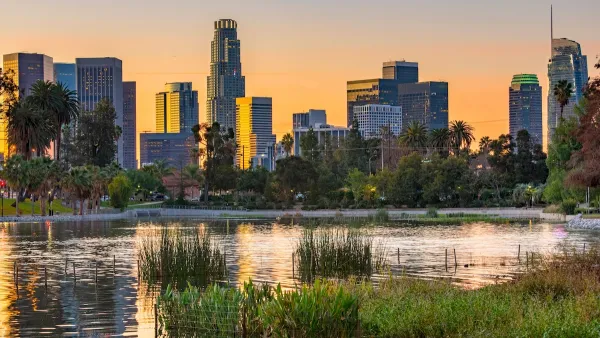
Delivering on the Promise of Parks
In LA County, even amid budget challenges, new parks are opening, targeted investments are being made in underserved communities, and long-term plans are guiding progress — demonstrating a sustained commitment to parks as essential infrastructure.
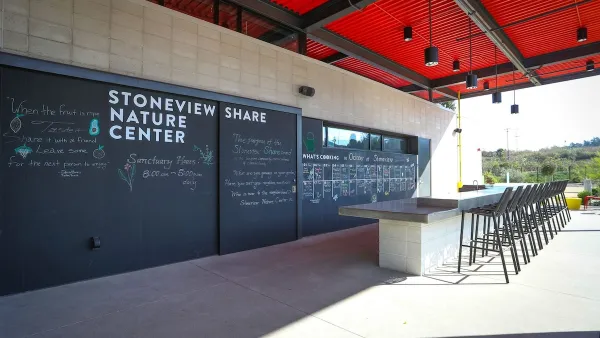
Nature Starts Here: The Essential Role of Nature Centers and Outdoor Programs
Nature centers and outdoor programs serve as vital gateways to environmental education, equity, and stewardship — bringing people closer to nature and inspiring the next generation to care for the planet.
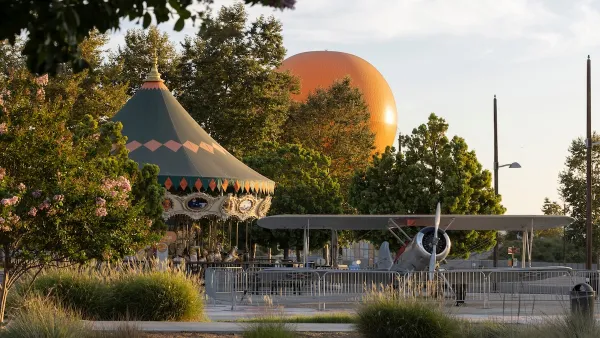
Irvine Ranked Second in Nation for Outstanding Park System
Irvine’s parks earned national recognition for their exceptional access, investment, and amenities, ranking second in the U.S. and first in California in the Trust for Public Land’s 2025 ParkScore Index.

Planetizen Federal Action Tracker
A weekly monitor of how Trump’s orders and actions are impacting planners and planning in America.

The state-sanctioned urbicide of Austin
People don’t kill cities. Freeways do.

US to reduce Colorado River water deliveries to Mexico
A new Colorado Treaty amendment reduces Mexico’s Colorado River water allocation by 250,000 acre feet.

5 New England states march closer to 800 megawatt wind energy project
Securing federal approval for the project may be complicated under the Trump administration, which has historically been hostile towards domestic wind power.

Baltimore to break ground on $50 million Transit Priority Project
The project will bring faster bus trips, safer streets and better bike connections to Baltimore.

Airbnb launches $250 million 'last-dollar financing' housing accelerator, makes first investment in Austin
The company will put $6.4 million towards affordable housing development in Texas’ capital.

FREE Course: Walkable City 1: Why Walkability?
After describing his path towards focusing on walkability as the essence of good planning, Jeff Speck marches through his five principal reasons for making more walkable places.
Reinventing Malls: Planning Alchemy—Turning Gray Fields Into Gold
The course focuses on the opportunities and imperatives that shape reinvention of mall sites.

Eagle County Government
Harvard University Graduate School of Design
Nashville Planning Department
The Architects Foundation
University of Cincinnati Online
The Pocatello Development Authority
The Urban Renewal Agency of the City of Pocatello
Journal of the American Planning Association