Fungi are emerging as powerful tools in environmental cleanup, with scientists and community leaders using mushrooms to break down pollutants and restore contaminated soil.


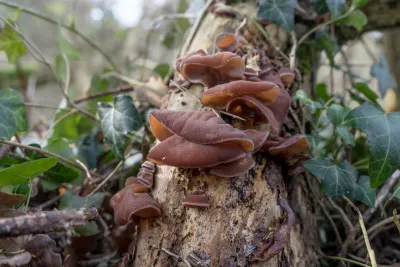
Fungi, often misunderstood and even feared in pop culture, are proving to be potent allies in environmental restoration. Bioremediation expert Danielle Stevenson is at the forefront of mycoremediation, the use of fungi to break down pollutants and absorb heavy metals from contaminated soil. With concerns from the public fueled by fictional depictions like The Last of Us, Stevenson emphasizes that fungi are nature’s recyclers, not threats. Her work shows how certain species can transform petrochemicals, pesticides, and heavy metals into harmless compounds or concentrate them for safer removal. This nature-based method offers an affordable, less disruptive alternative to traditional “dig and dump” remediation approaches.
Mycoremediation has a long scientific history, with researchers since the 1960s exploring fungi’s capacity to break down harmful substances. As reported by Lauren Oster, Stevenson’s recent pilot project at several brownfield sites in Los Angeles demonstrated promising results: a 50% drop in organic soil contaminants within three months and significant reductions in heavy metals after one year. Her methods include pairing fungi with plants in contaminated plots and training high school students in affected communities to help with the work. These collaborative, community-centered efforts are being recognized as not only scientifically sound but socially just, targeting areas most impacted by industrial pollution.
Beyond brownfields, fungi are now being deployed in disaster recovery and post-conflict zones. Mycologist Maya Elson has led efforts to use inoculated filter socks to trap and degrade pollutants from wildfire runoff in California and Hawaii. Meanwhile, researchers are exploring how these techniques can be adapted to war-torn landscapes, where fungi can break down contaminants from explosives without destroying the soil. Scientists emphasize the importance of using native fungi and field-tested methods to ensure success and ecological safety. While fungi alone won’t “save the world,” advocates like Stevenson believe their potential lies in collective action and practical, localized solutions to some of today’s most pressing environmental challenges.
FULL STORY: Can Scientists Harness the Magic of Mushrooms to Clean Up Polluted Landscapes?

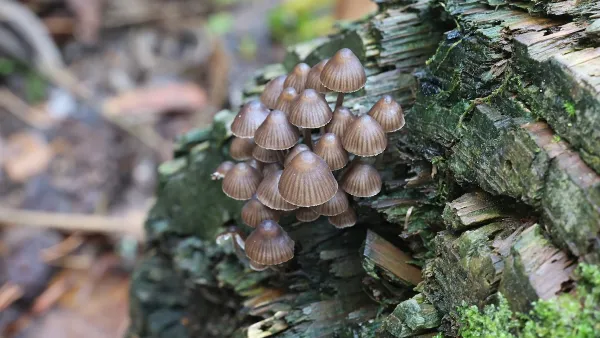
Bioremediation for Environmental Justice
Bioremediation uses plants, fungi, and microbes to clean up polluted land in place, offering a nature-based option for restoring contaminated sites in overburdened communities.
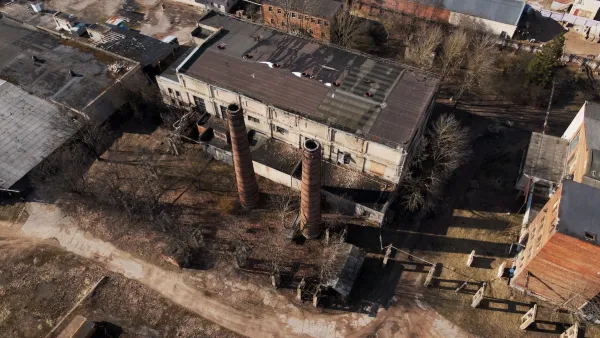
Wisconsin Awarded $12 Million for Brownfield Redevelopment Amid Broader EPA Budget Cuts
The EPA provided the funding to Wisconsin for brownfield cleanups in cities like Milwaukee and Racine, even as broader agency budget cuts under the Trump administration raise concerns about future environmental protection capacity.
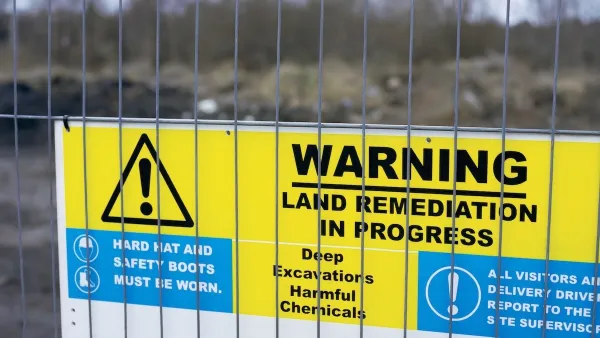
EPA Awards $267 Million to Clean Up and Reuse Contaminated Sites
The EPA is investing the funds to clean up and redevelop contaminated sites nationwide, supporting economic growth, community revitalization, and environmental restoration.

Planetizen Federal Action Tracker
A weekly monitor of how Trump’s orders and actions are impacting planners and planning in America.

The state-sanctioned urbicide of Austin
People don’t kill cities. Freeways do.

US to reduce Colorado River water deliveries to Mexico
A new Colorado Treaty amendment reduces Mexico’s Colorado River water allocation by 250,000 acre feet.

Mamdani overhauls NYC's Vision Zero plan with 100 new policy goals
The overhaul aims to reduce traffic deaths and make streets safer for pedestrians, cyclists and drivers through lower speed limits, new safety infrastructure and more.

Amtrak not solely to blame for New Jersey commuter rail's unreliability, report finds
A new study from the Garden State Initiative found that NJ Transit’s budget grew 20% across a 4 year period, but reliability declined significantly over the same period.

EPA erases limits on planet-warming pollution from power plants
Under Monday’s plan, power plants would still have some limits on how much mercury, arsenic and other contaminants they can emit.

FREE Course: Walkable City 1: Why Walkability?
After describing his path towards focusing on walkability as the essence of good planning, Jeff Speck marches through his five principal reasons for making more walkable places.
Reinventing Malls: Planning Alchemy—Turning Gray Fields Into Gold
The course focuses on the opportunities and imperatives that shape reinvention of mall sites.

Eagle County Government
Harvard University Graduate School of Design
Nashville Planning Department
The Architects Foundation
University of Cincinnati Online
The Pocatello Development Authority
The Urban Renewal Agency of the City of Pocatello
Journal of the American Planning Association