The EPA provided the funding to Wisconsin for brownfield cleanups in cities like Milwaukee and Racine, even as broader agency budget cuts under the Trump administration raise concerns about future environmental protection capacity.


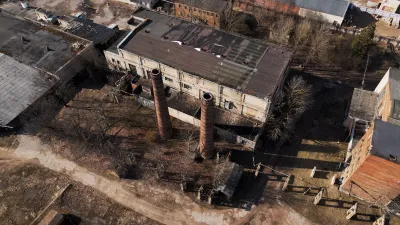
The U.S. Environmental Protection Agency (EPA) has awarded over $12.4 million in brownfield grants to nine local, state, and tribal entities in Wisconsin to support the cleanup and redevelopment of contaminated sites. As reported by Danielle Kaeding of Wisconsin Public Radio, the grants are part of a $267 million national initiative to revitalize polluted properties into community assets like housing and businesses. In Milwaukee, the Redevelopment Authority will receive $650,000 to remediate sites including Compass Lofts, a Hilton hotel, and a food pantry location, along with an additional $500,000 to clean a warehouse contaminated with volatile organic compounds.
Other grant recipients include the Wisconsin Department of Natural Resources, the City of West Allis, and communities such as Kenosha, Racine, Brillion, and the Oneida Nation, with awards ranging from $500,000 to $3 million. These funds are largely intended for site assessments, cleanups, and revolving loan funds to spur redevelopment projects that protect public health and spur economic activity. EPA officials have emphasized that the program aligns with efforts to combine environmental stewardship with economic revitalization while remaining fiscally responsible.
However, this funding comes amid sweeping budget cuts proposed by the Trump administration, including the elimination of $1.7 billion in environmental justice and climate-related grants and a proposal to reduce EPA staffing and funding to levels not seen since the Reagan era. While EPA Administrator Lee Zeldin framed the current awards as part of “Powering the Great American Comeback,” environmental advocates warn that the broader budget cuts could undercut the agency’s ability to address contaminated sites and carry out its mission effectively.
FULL STORY: EPA Awards Wisconsin $12 Million For Brownfield Cleanup


Bioremediation for Environmental Justice
Bioremediation uses plants, fungi, and microbes to clean up polluted land in place, offering a nature-based option for restoring contaminated sites in overburdened communities.
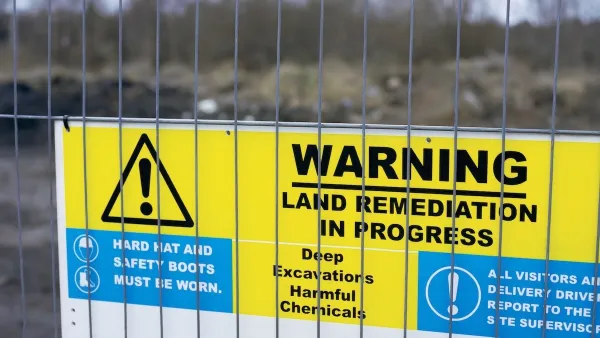
EPA Awards $267 Million to Clean Up and Reuse Contaminated Sites
The EPA is investing the funds to clean up and redevelop contaminated sites nationwide, supporting economic growth, community revitalization, and environmental restoration.

Ohio Invests $58 Million to Revitalize Brownfields and Boost Local Economies
This investment in brownfield remediation will clean up hazardous sites, foster economic development, and create jobs through 61 new projects across 33 counties.

Planetizen Federal Action Tracker
A weekly monitor of how Trump’s orders and actions are impacting planners and planning in America.

The state-sanctioned urbicide of Austin
People don’t kill cities. Freeways do.

US to reduce Colorado River water deliveries to Mexico
A new Colorado Treaty amendment reduces Mexico’s Colorado River water allocation by 250,000 acre feet.

5 New England states march closer to 800 megawatt wind energy project
Securing federal approval for the project may be complicated under the Trump administration, which has historically been hostile towards domestic wind power.

Baltimore to break ground on $50 million Transit Priority Project
The project will bring faster bus trips, safer streets and better bike connections to Baltimore.

Airbnb launches $250 million 'last-dollar financing' housing accelerator, makes first investment in Austin
The company will put $6.4 million towards affordable housing development in Texas’ capital.

FREE Course: Walkable City 1: Why Walkability?
After describing his path towards focusing on walkability as the essence of good planning, Jeff Speck marches through his five principal reasons for making more walkable places.
Reinventing Malls: Planning Alchemy—Turning Gray Fields Into Gold
The course focuses on the opportunities and imperatives that shape reinvention of mall sites.

Eagle County Government
Harvard University Graduate School of Design
Nashville Planning Department
The Architects Foundation
University of Cincinnati Online
The Pocatello Development Authority
The Urban Renewal Agency of the City of Pocatello
Journal of the American Planning Association