Bioremediation
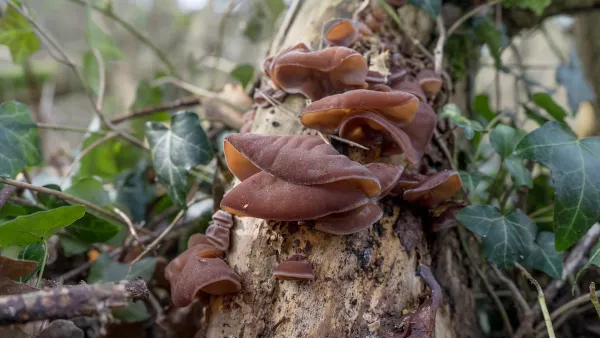
Fungi to the Rescue: How Mushrooms Are Helping Clean Up Toxic Lands
Fungi are emerging as powerful tools in environmental cleanup, with scientists and community leaders using mushrooms to break down pollutants and restore contaminated soil.
Bioremediation for Environmental Justice
Bioremediation uses plants, fungi, and microbes to clean up polluted land in place, offering a nature-based option for restoring contaminated sites in overburdened communities.
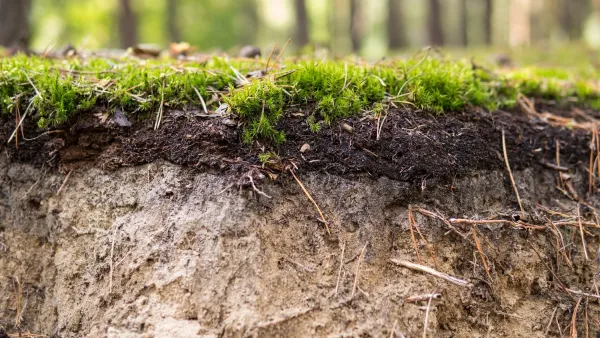
Tackling Soil Contamination With Nature-Based Solutions
Los Angeles County residents and experts are turning to nature-based methods like bioremediation to address long-standing and fire-exacerbated soil contamination without resorting to costly and disruptive removal.
Plants Do The Dirty Work
"Phytoremediation" is a growing field (pun intended) of practice that uses particular types of plants to leech toxic materials out of the soil in contaminated sites.
A Natural Way to Green Brownfields
With more than 11,000 acres of brownfield sites in New York City sitting underused due to contamination, officials there want to get things cleaned up and reused. Urban designer Kaja Kühl offers this field guide to small-scale bioremediation to help.

FREE Course: Walkable City 1: Why Walkability?
After describing his path towards focusing on walkability as the essence of good planning, Jeff Speck marches through his five principal reasons for making more walkable places.
Reinventing Malls: Planning Alchemy—Turning Gray Fields Into Gold
The course focuses on the opportunities and imperatives that shape reinvention of mall sites.

City of Charlotte
City of Rosemead
Rutgers University, Edward J. Bloustein School of Planning and Public Policy
University of Michigan School for Environment and Sustainability (SEAS)
Hunter College, City University of New York (CUNY)
The Architects Foundation
University District Partnership









